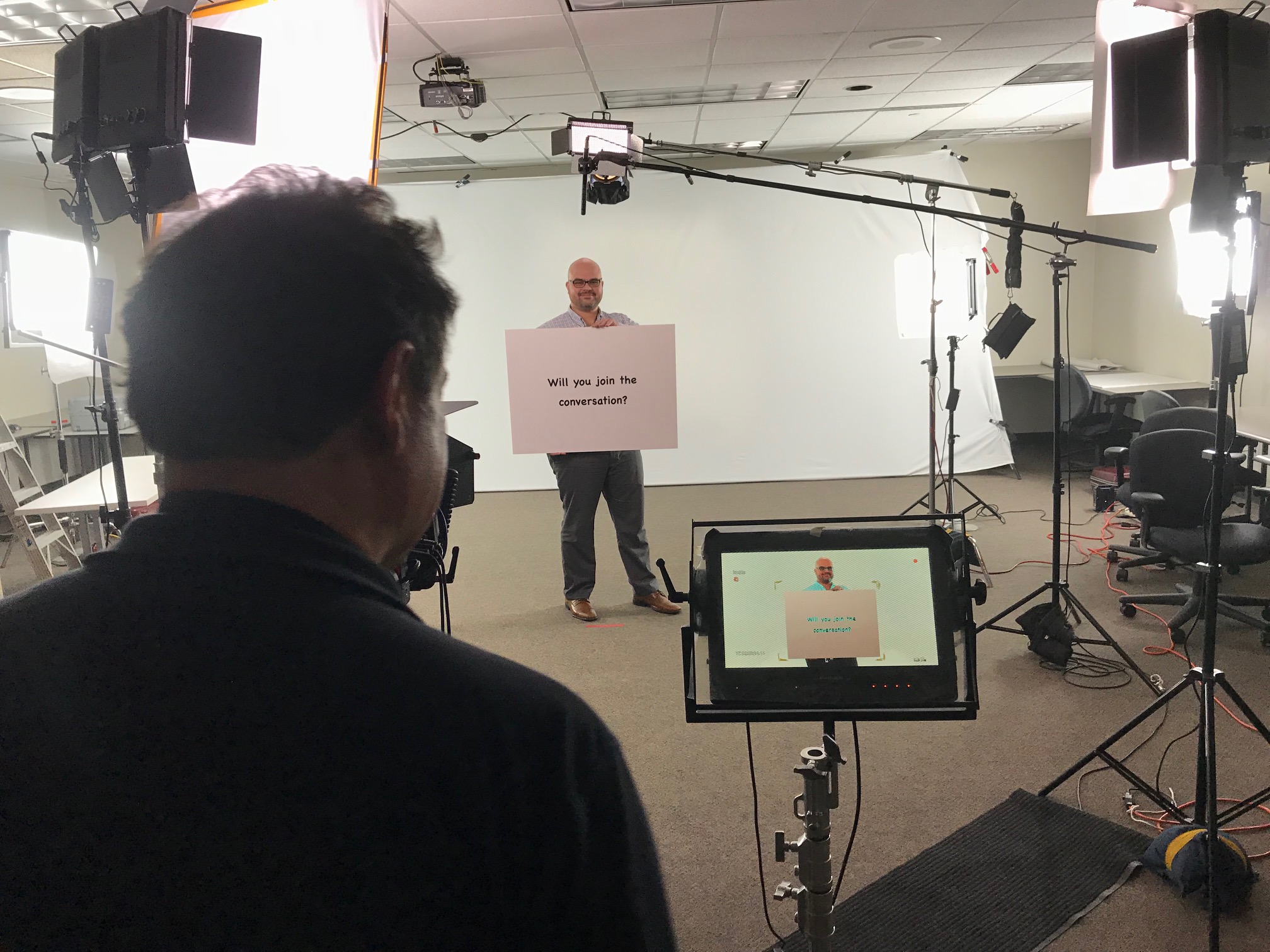
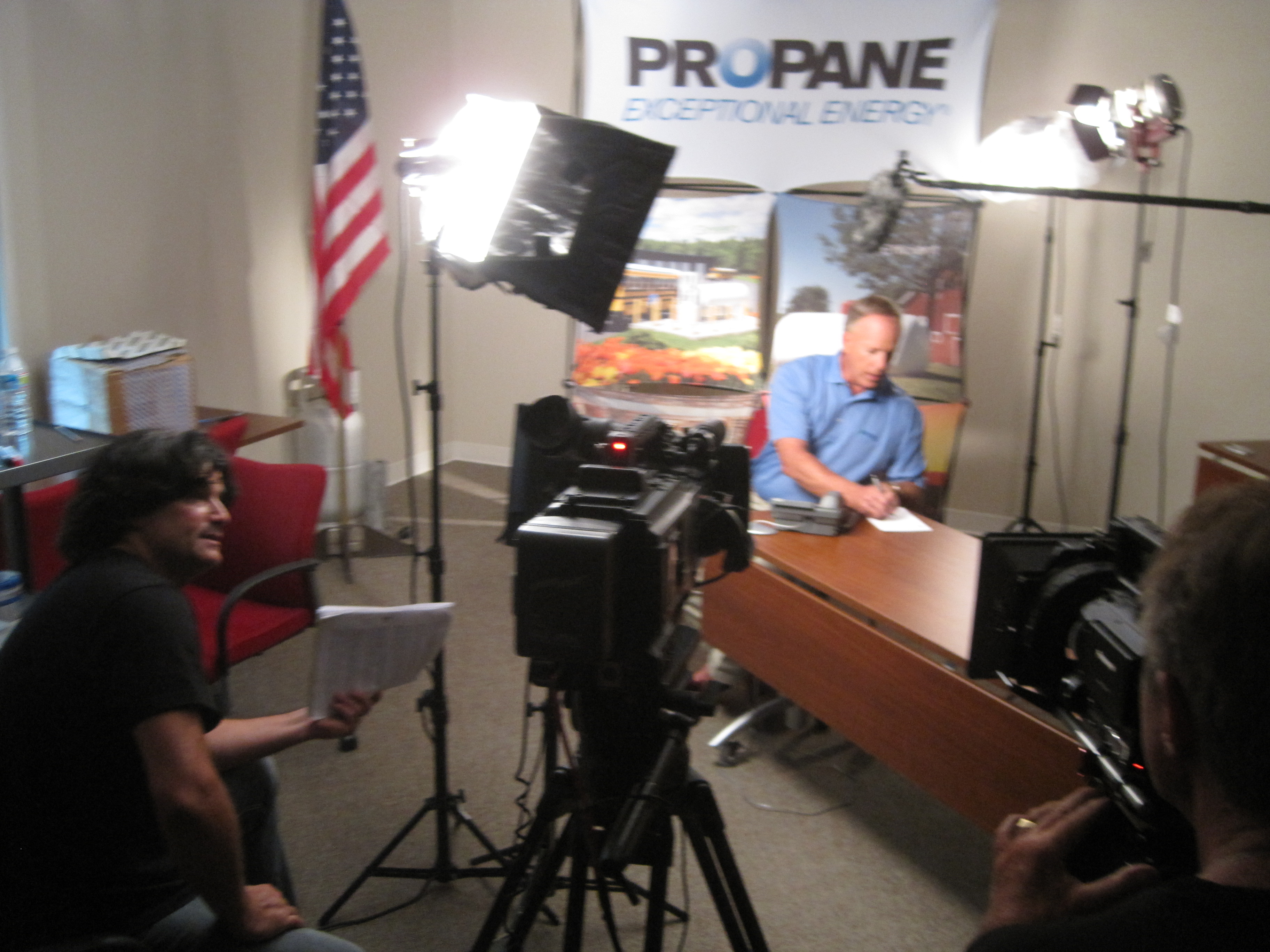
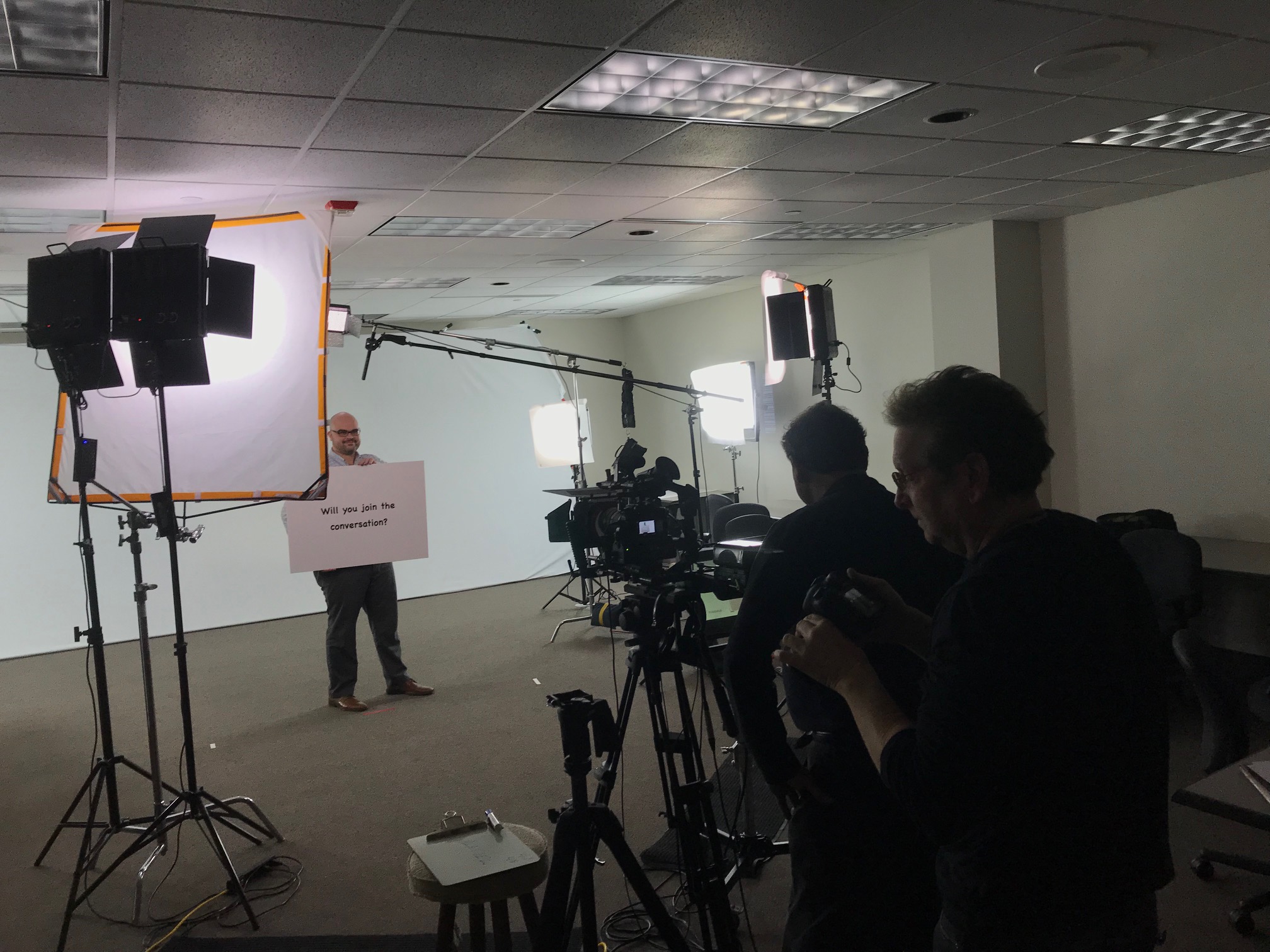
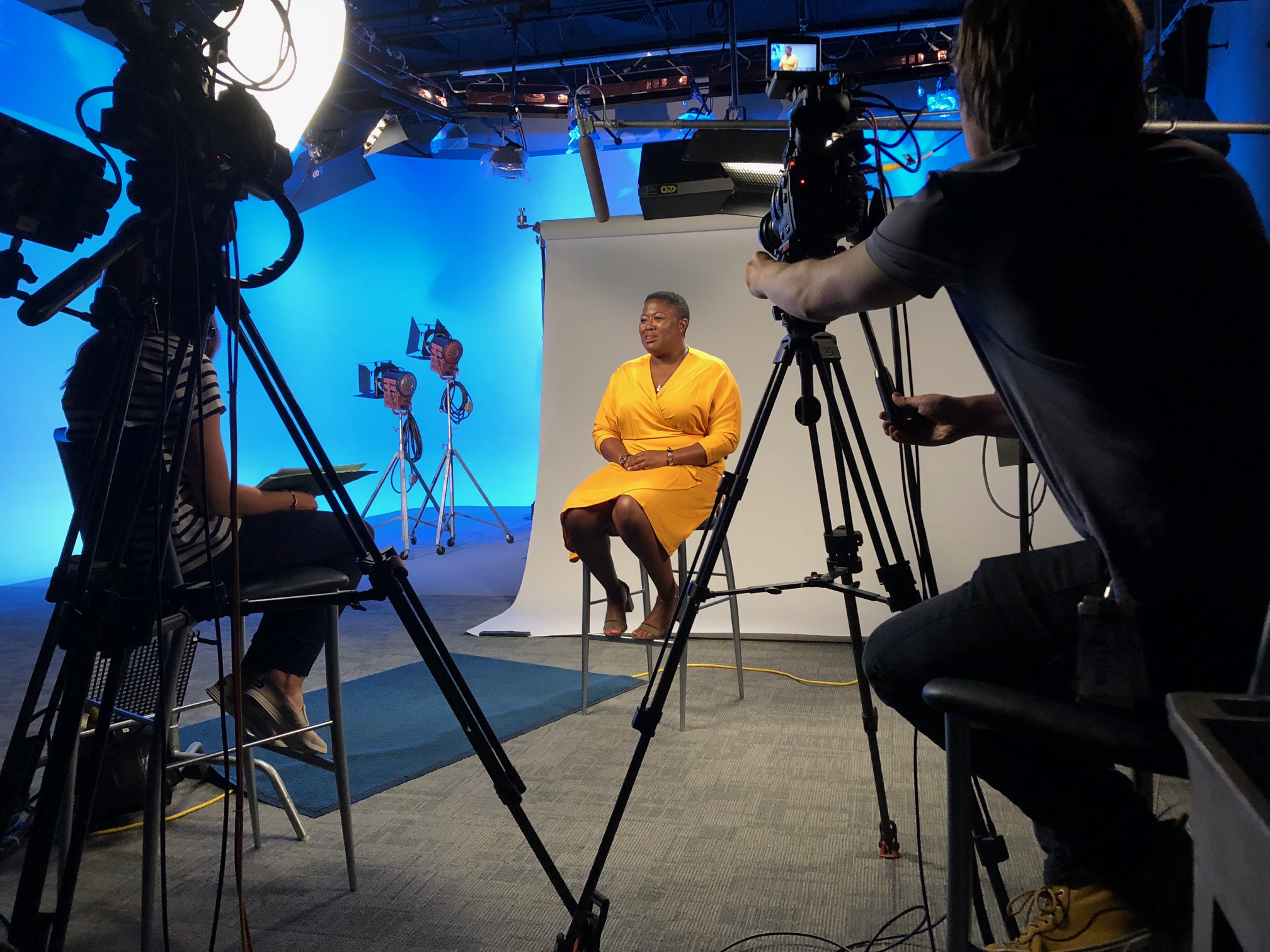
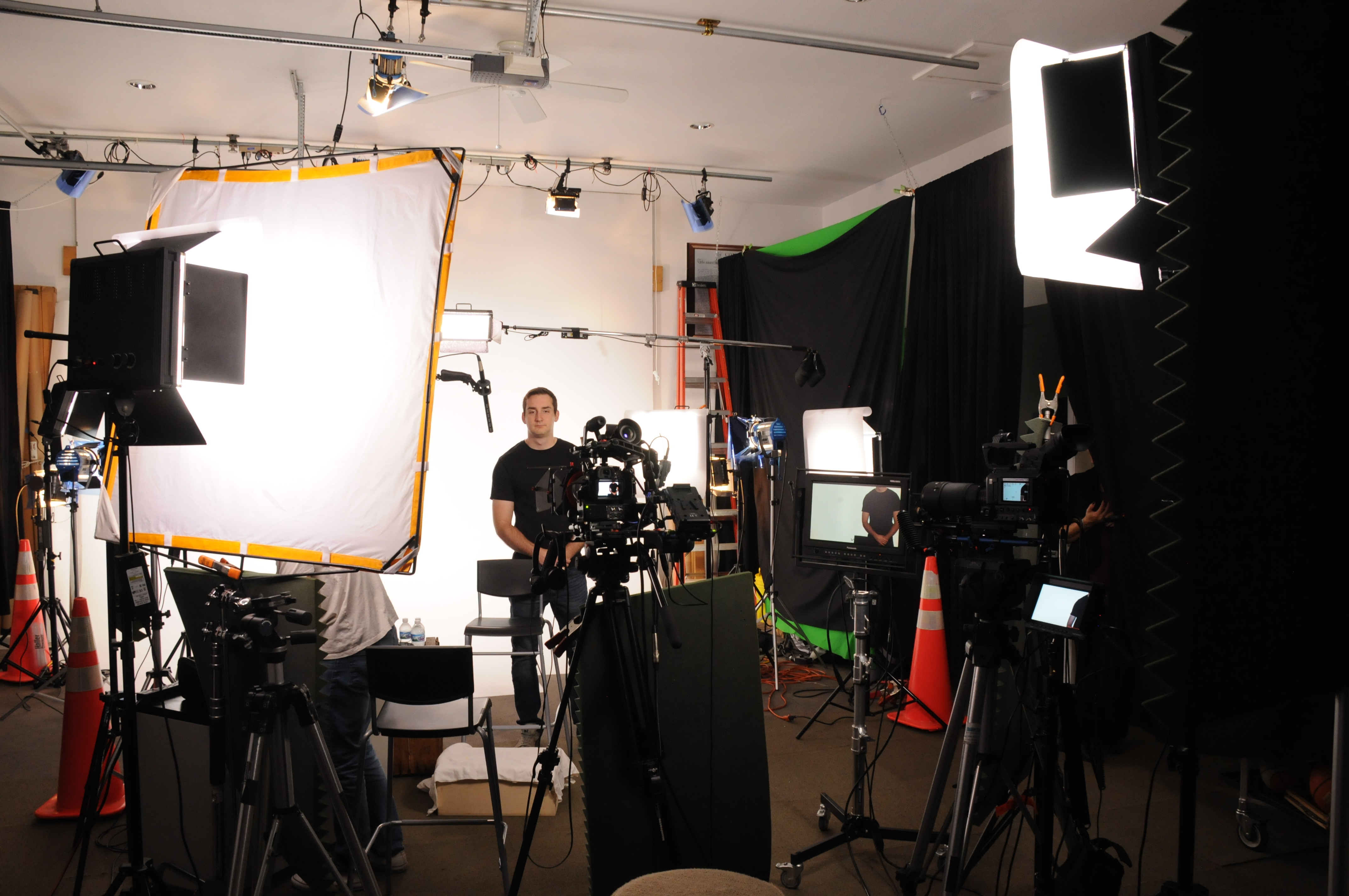
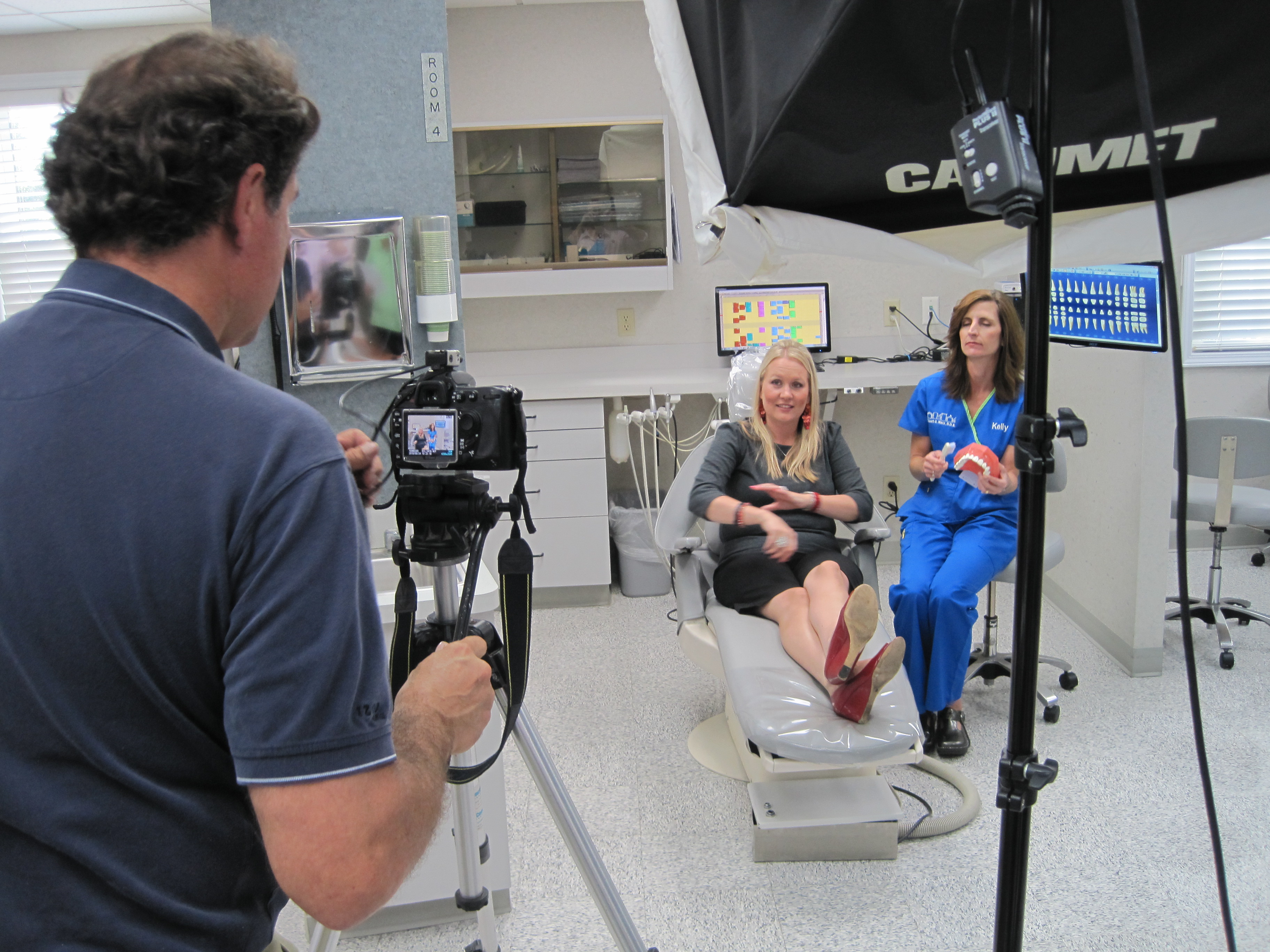
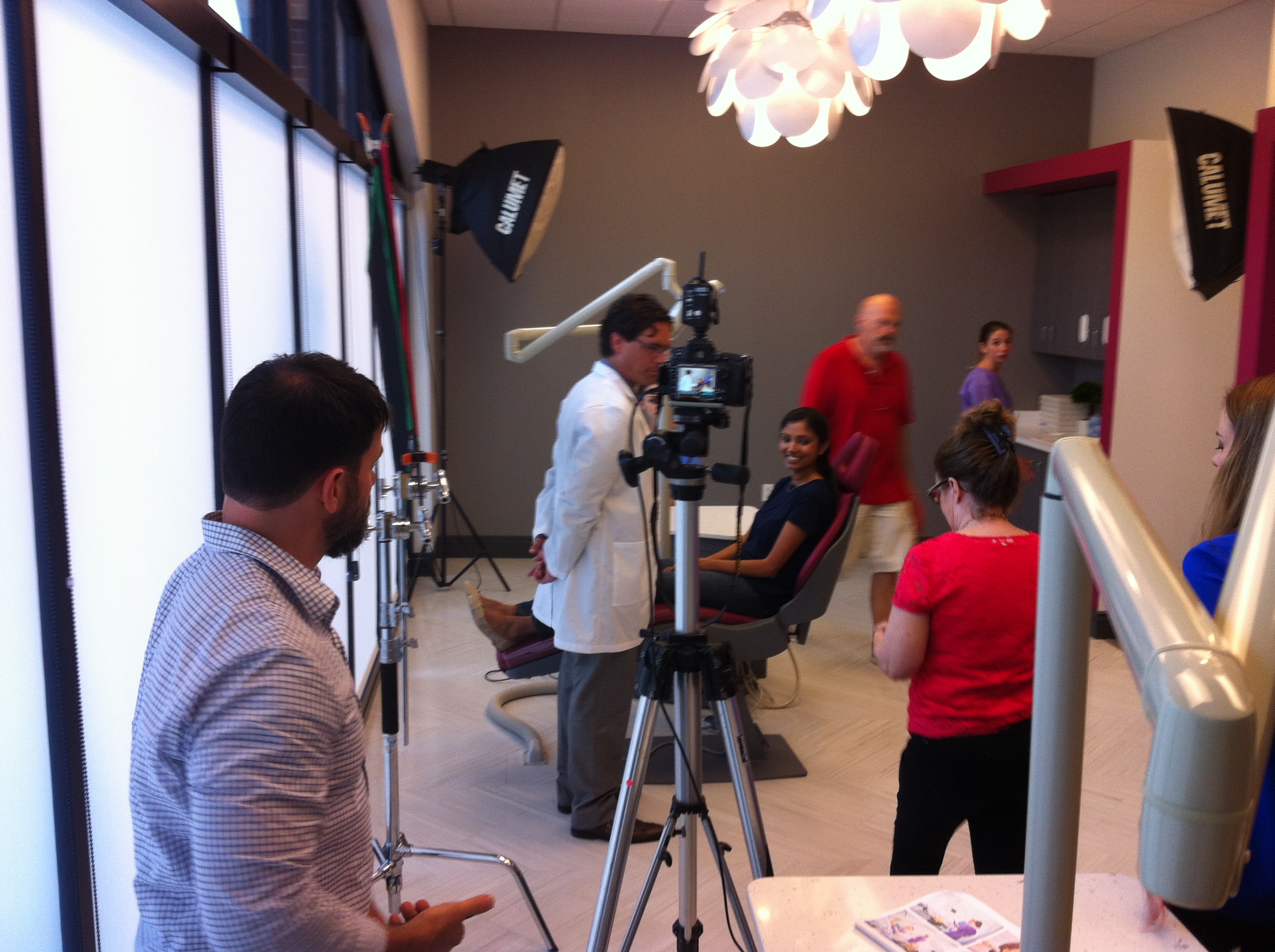
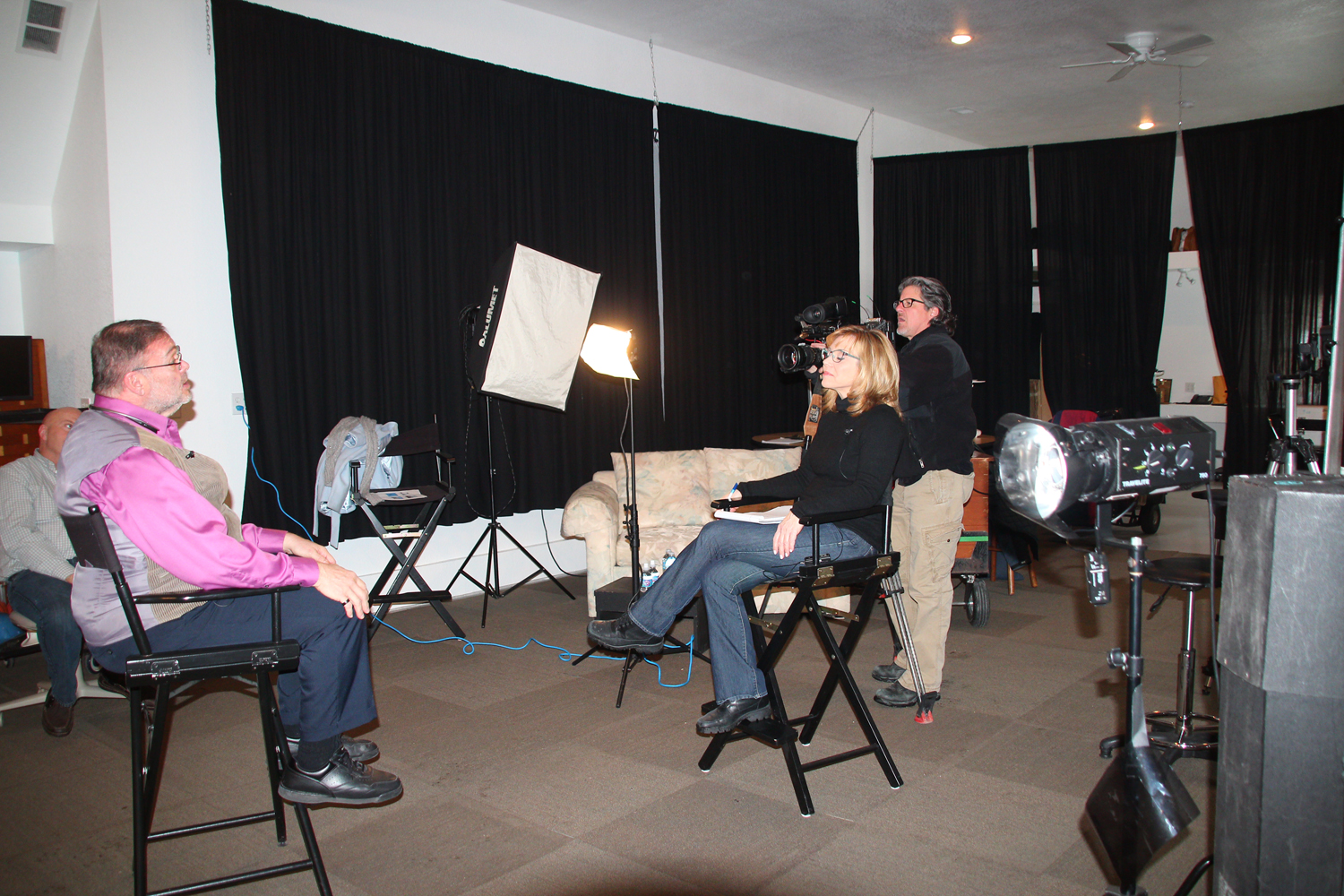
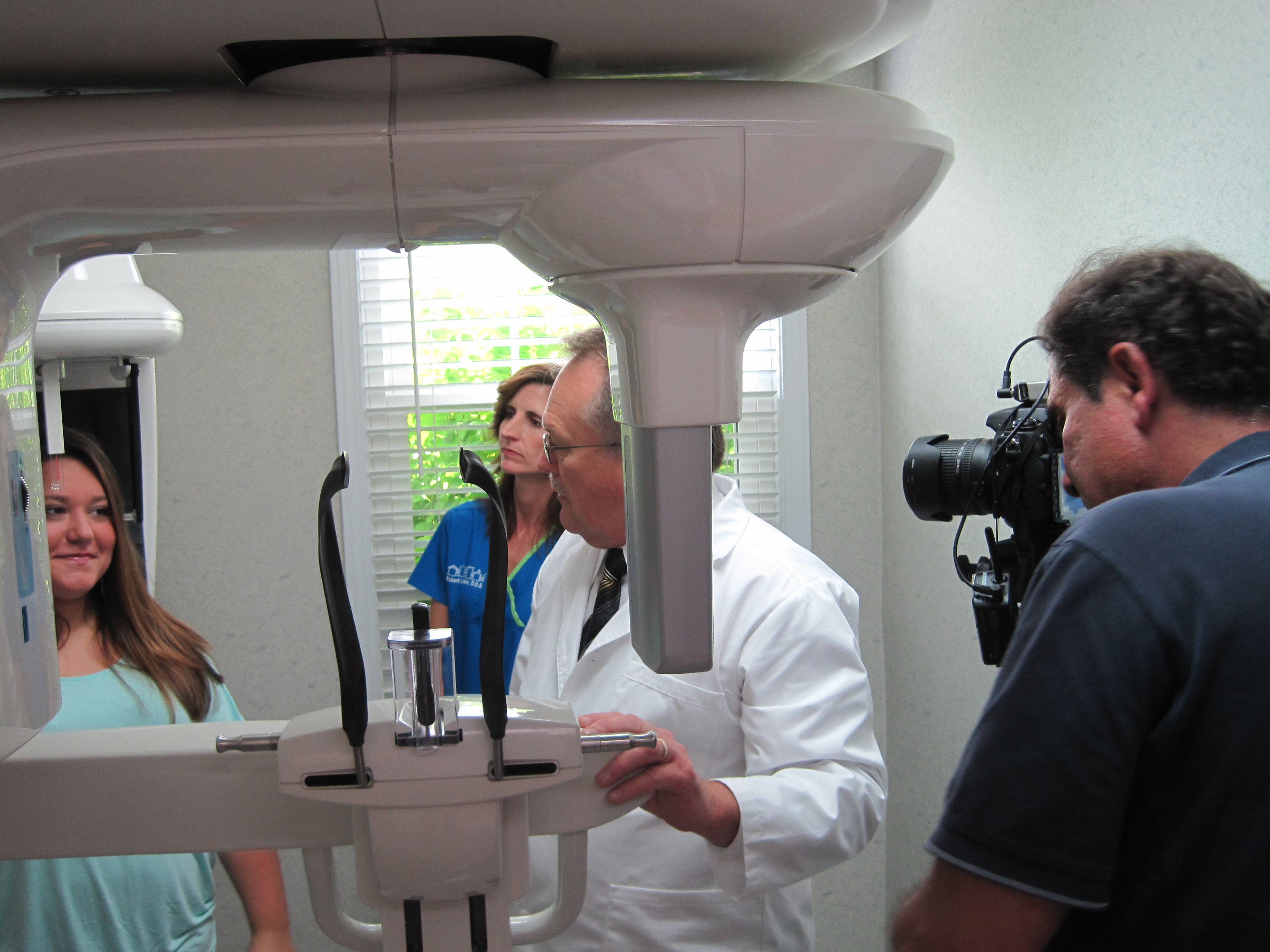
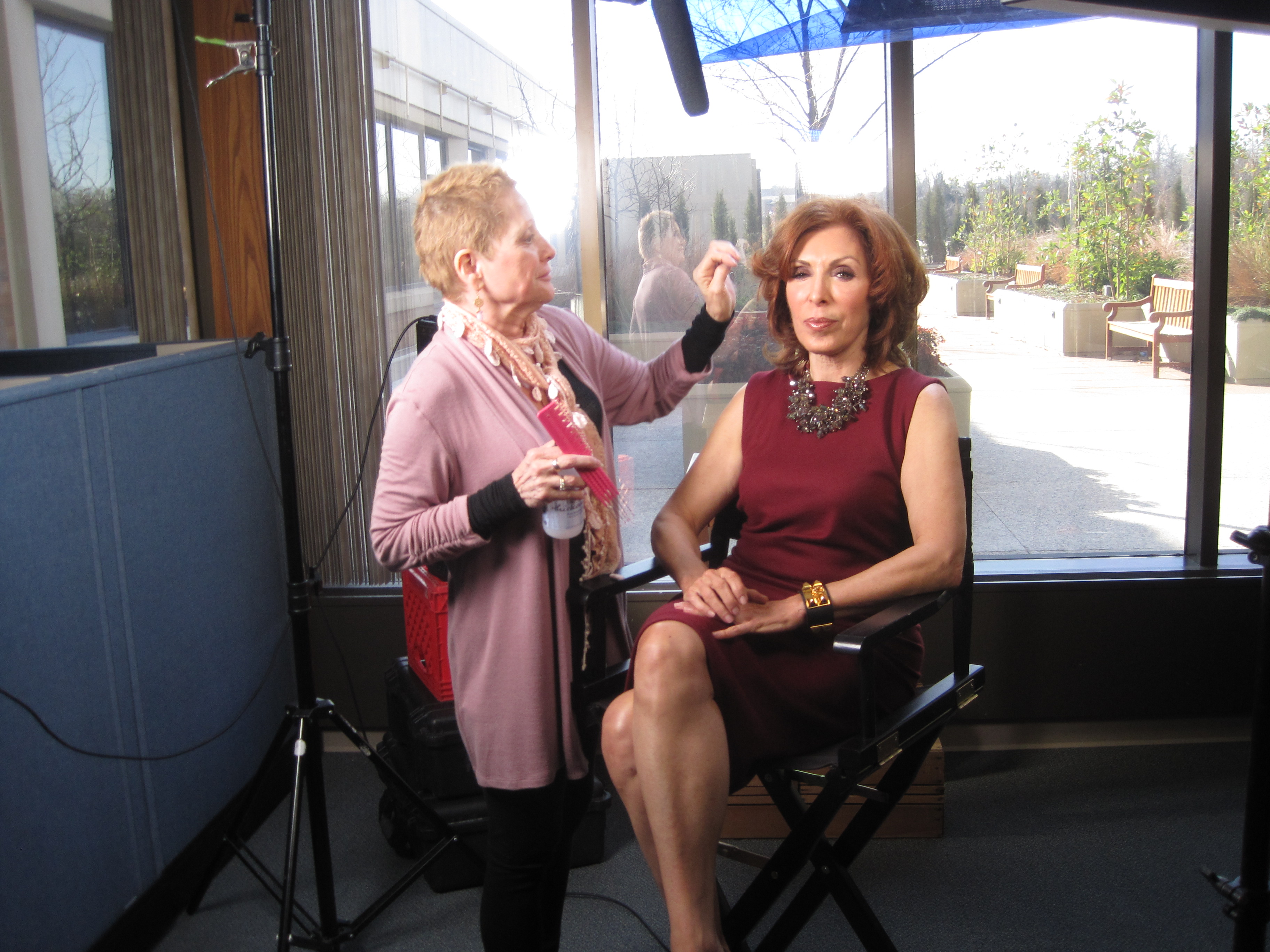
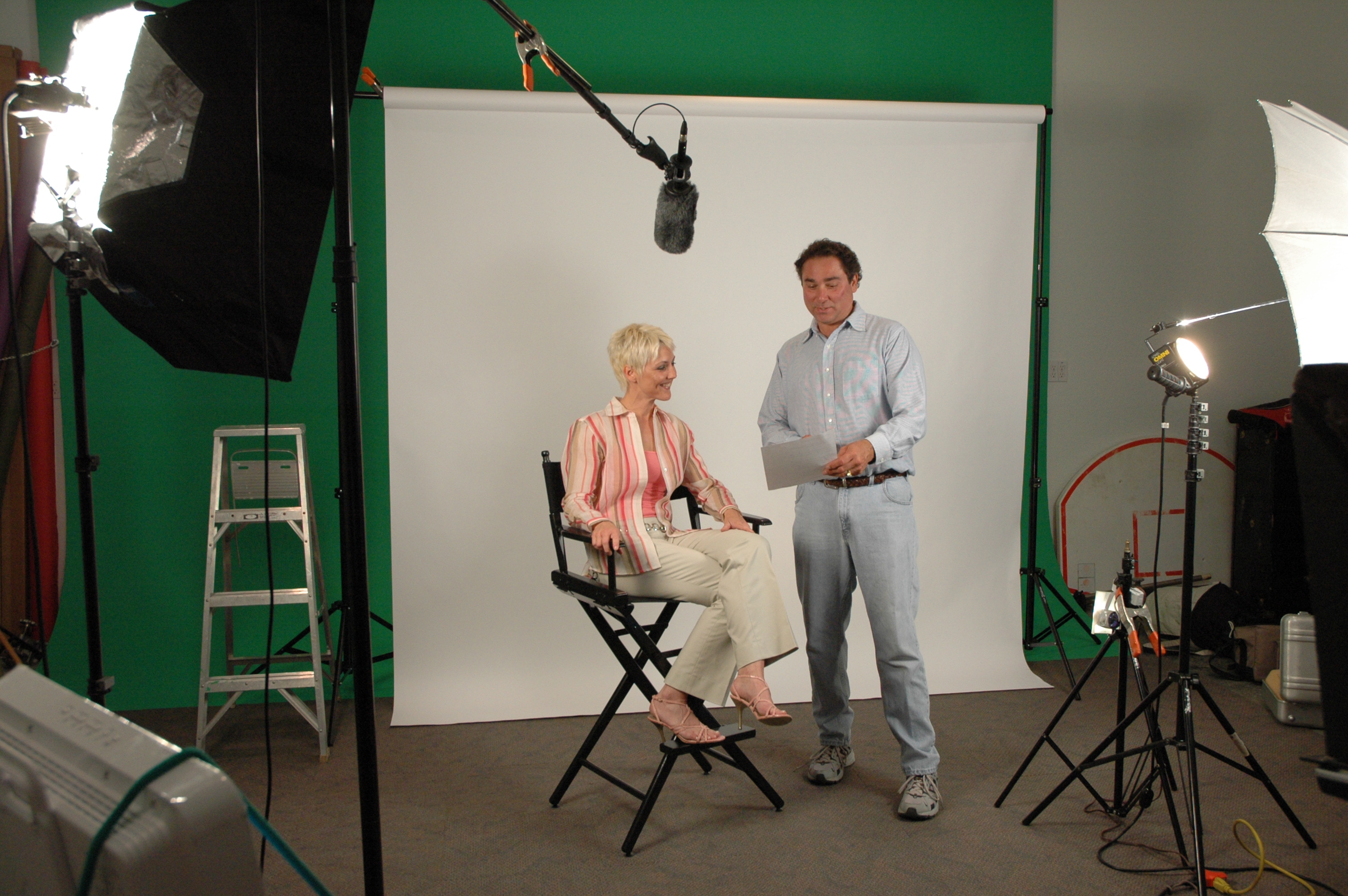
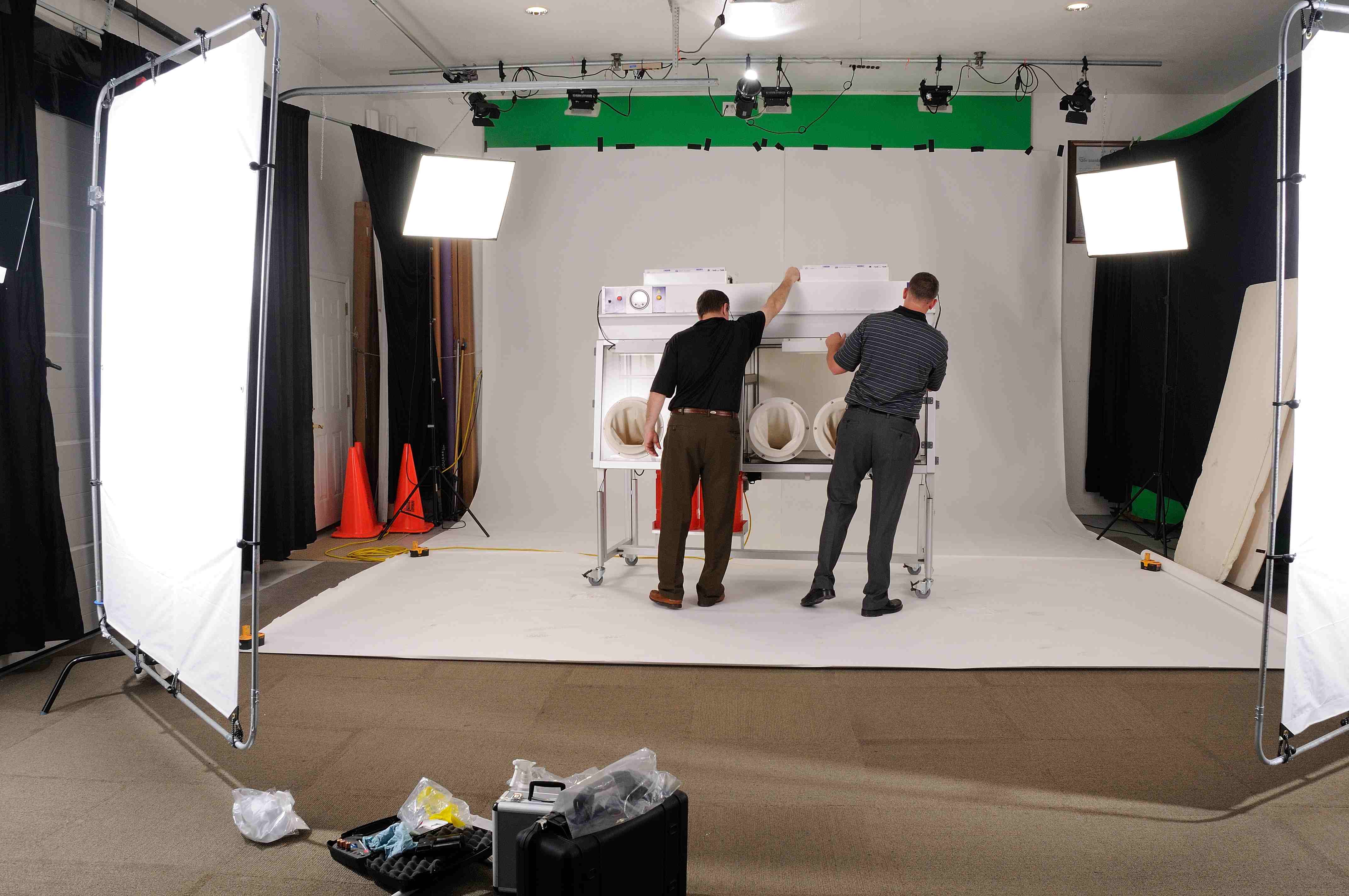
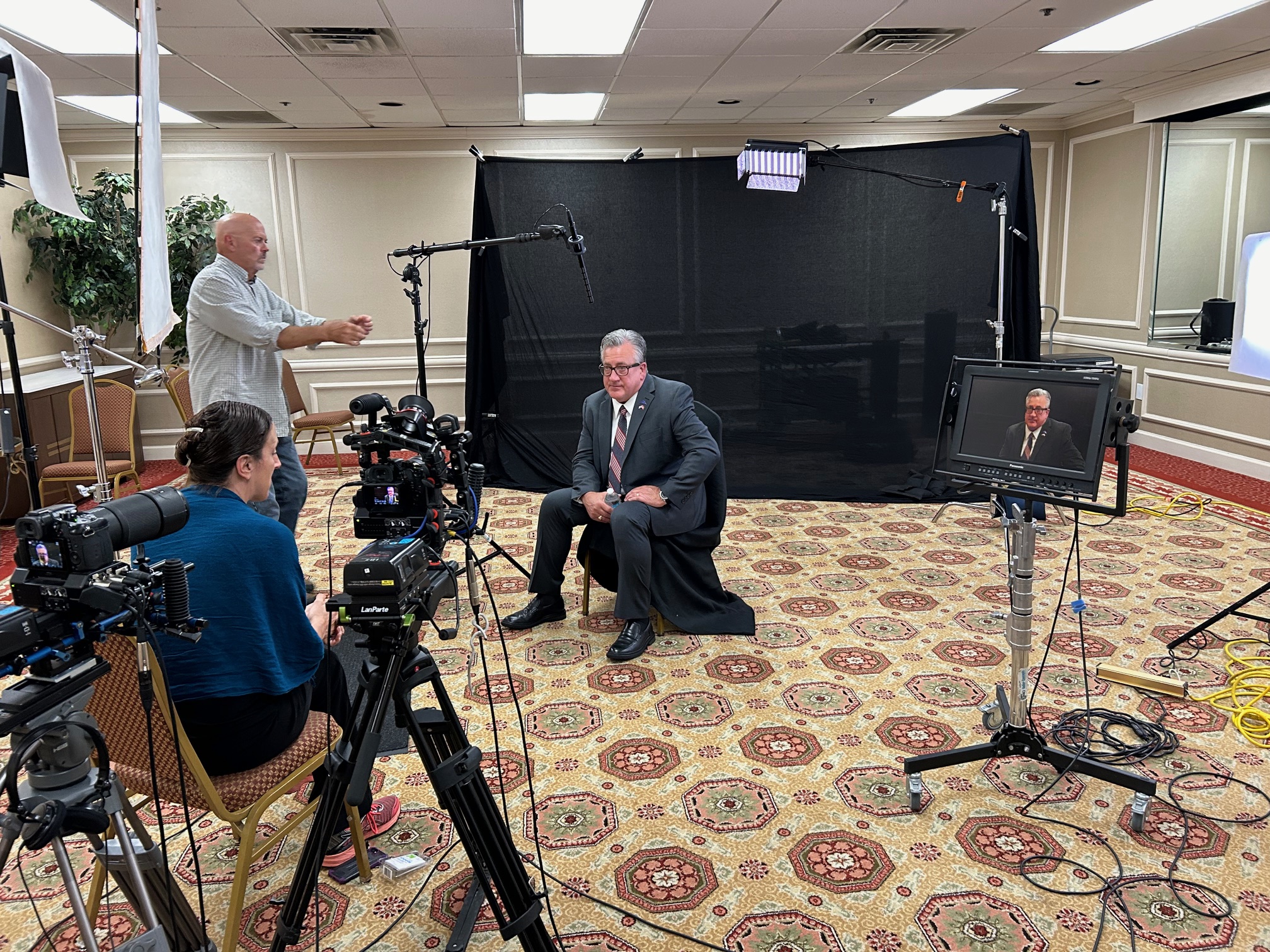
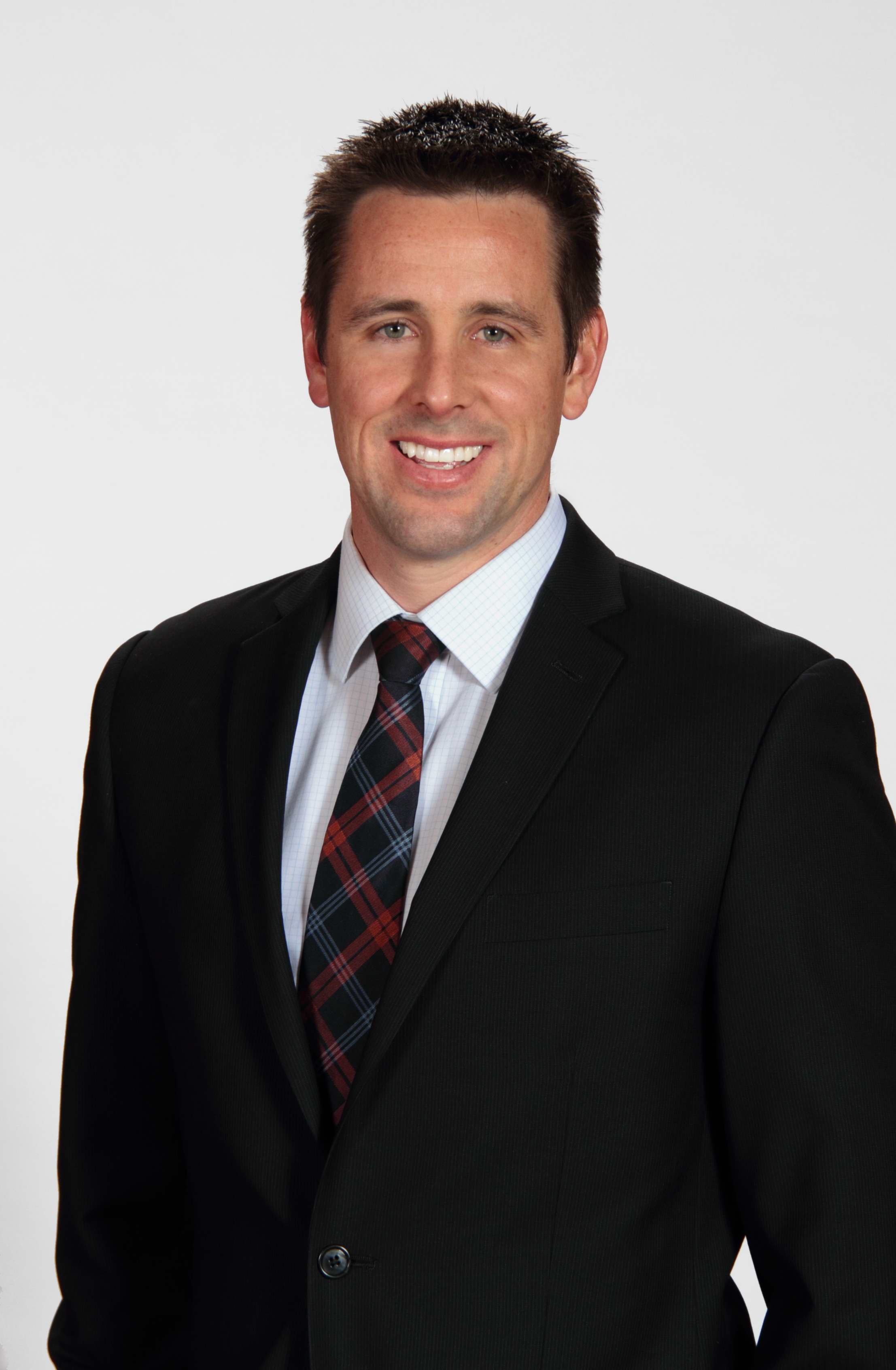
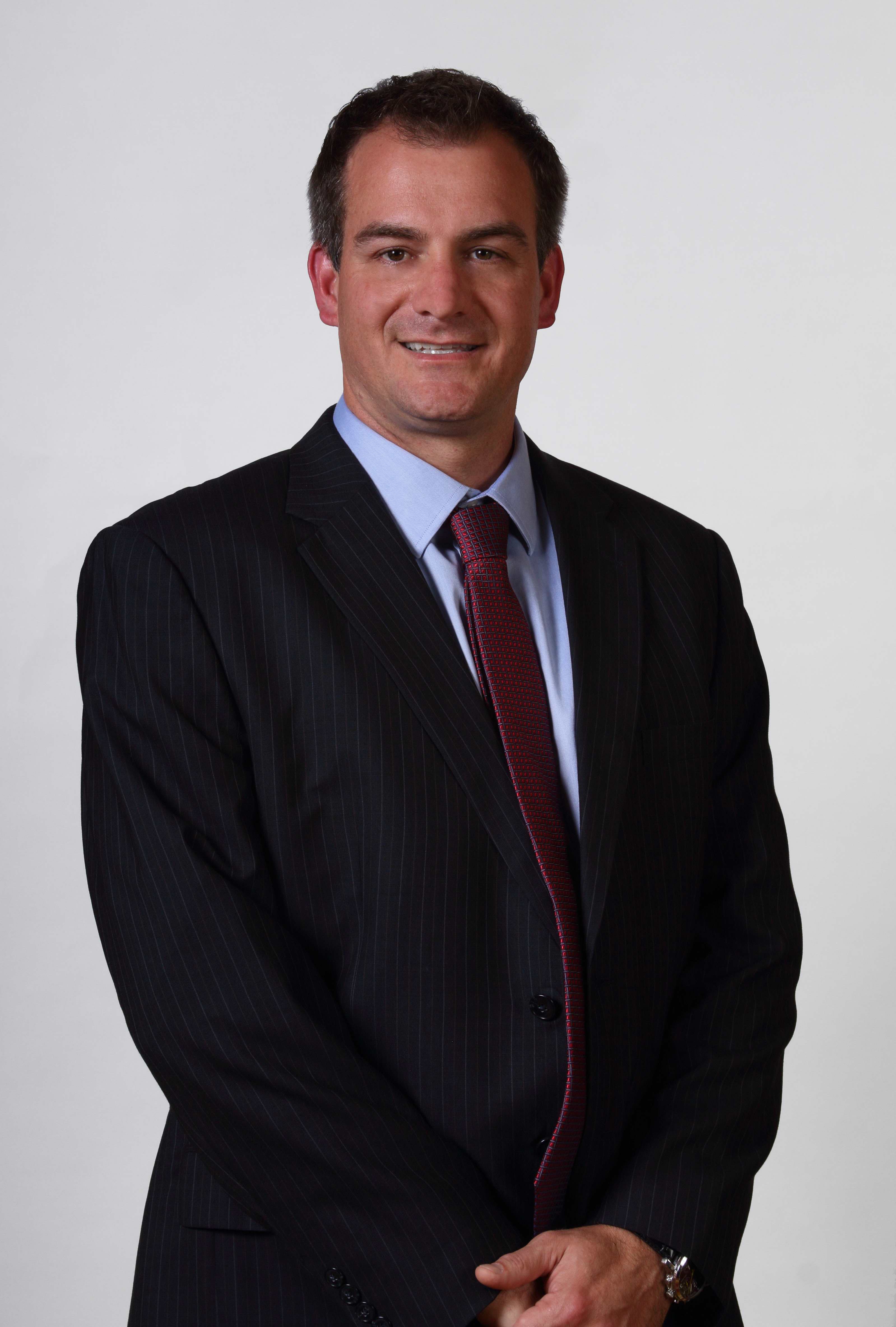
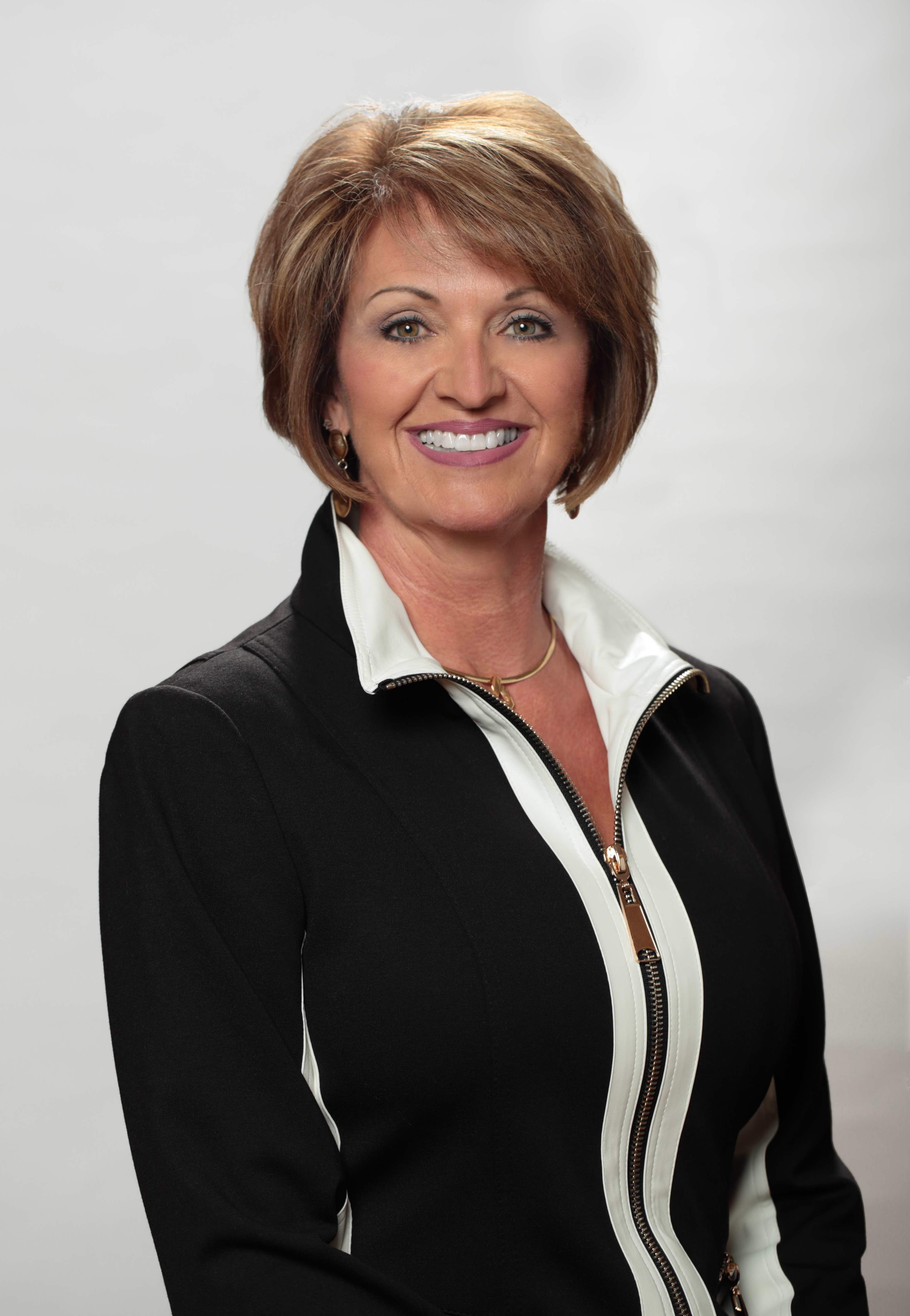
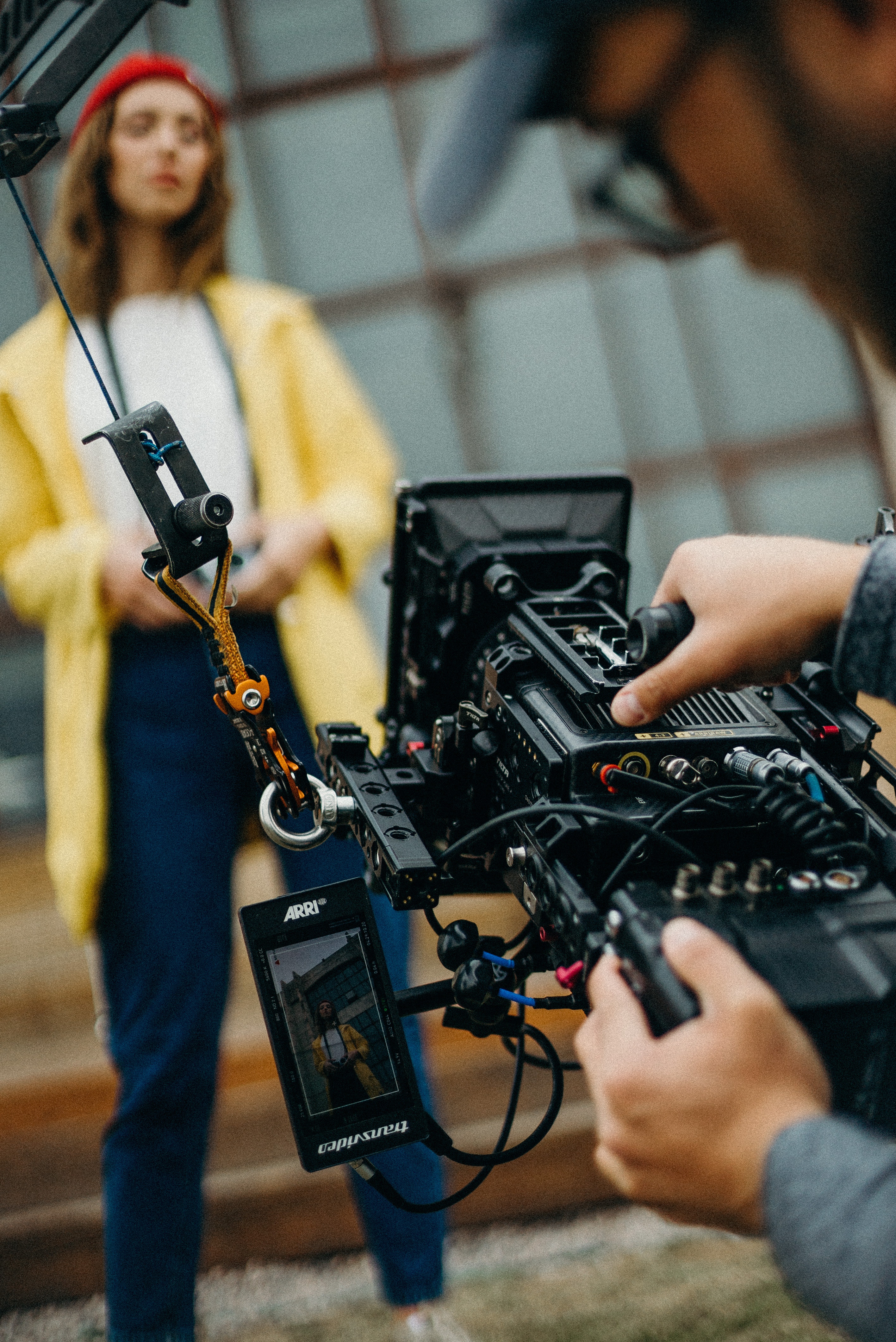
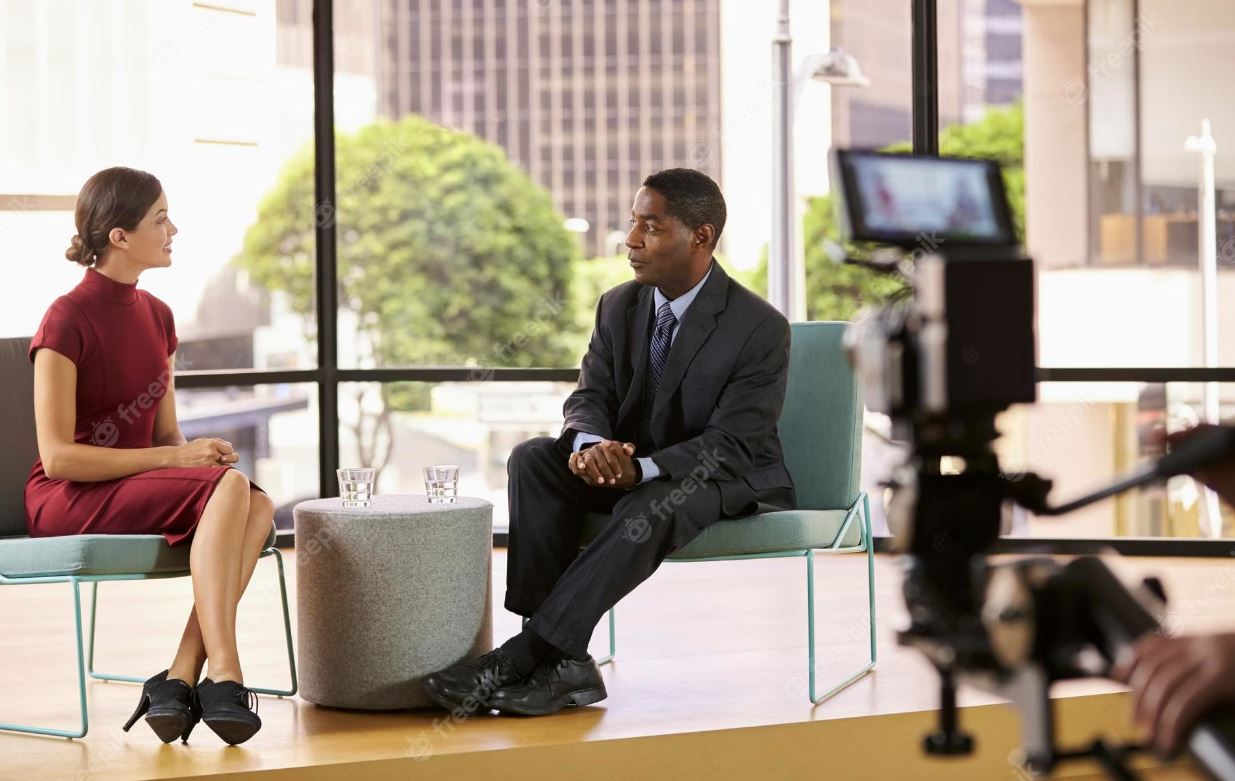
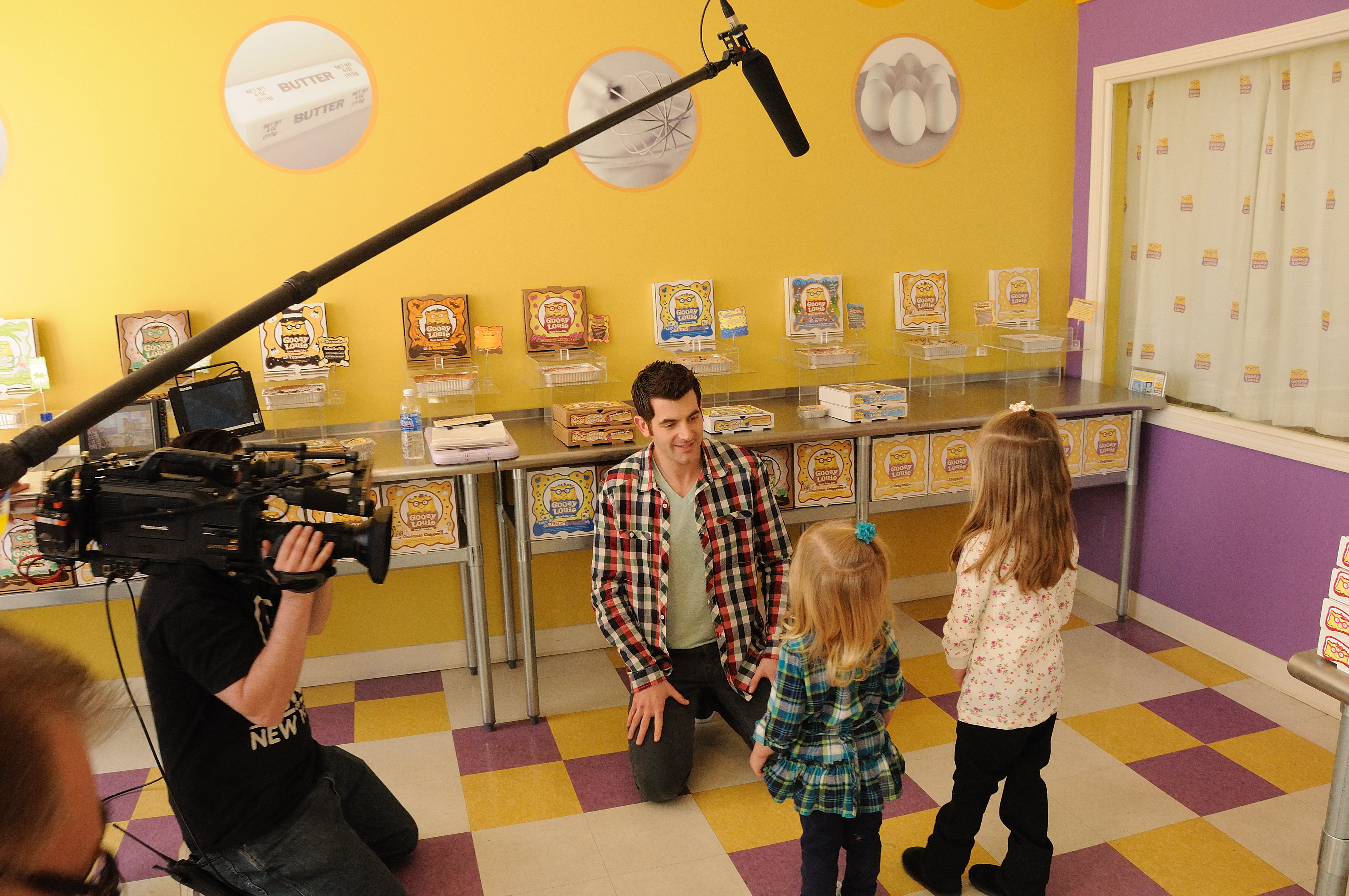
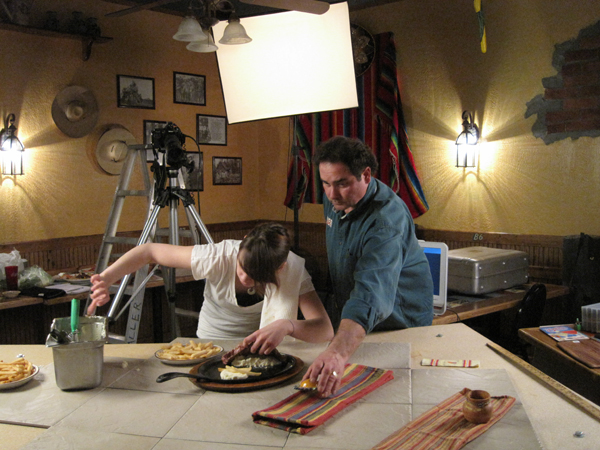
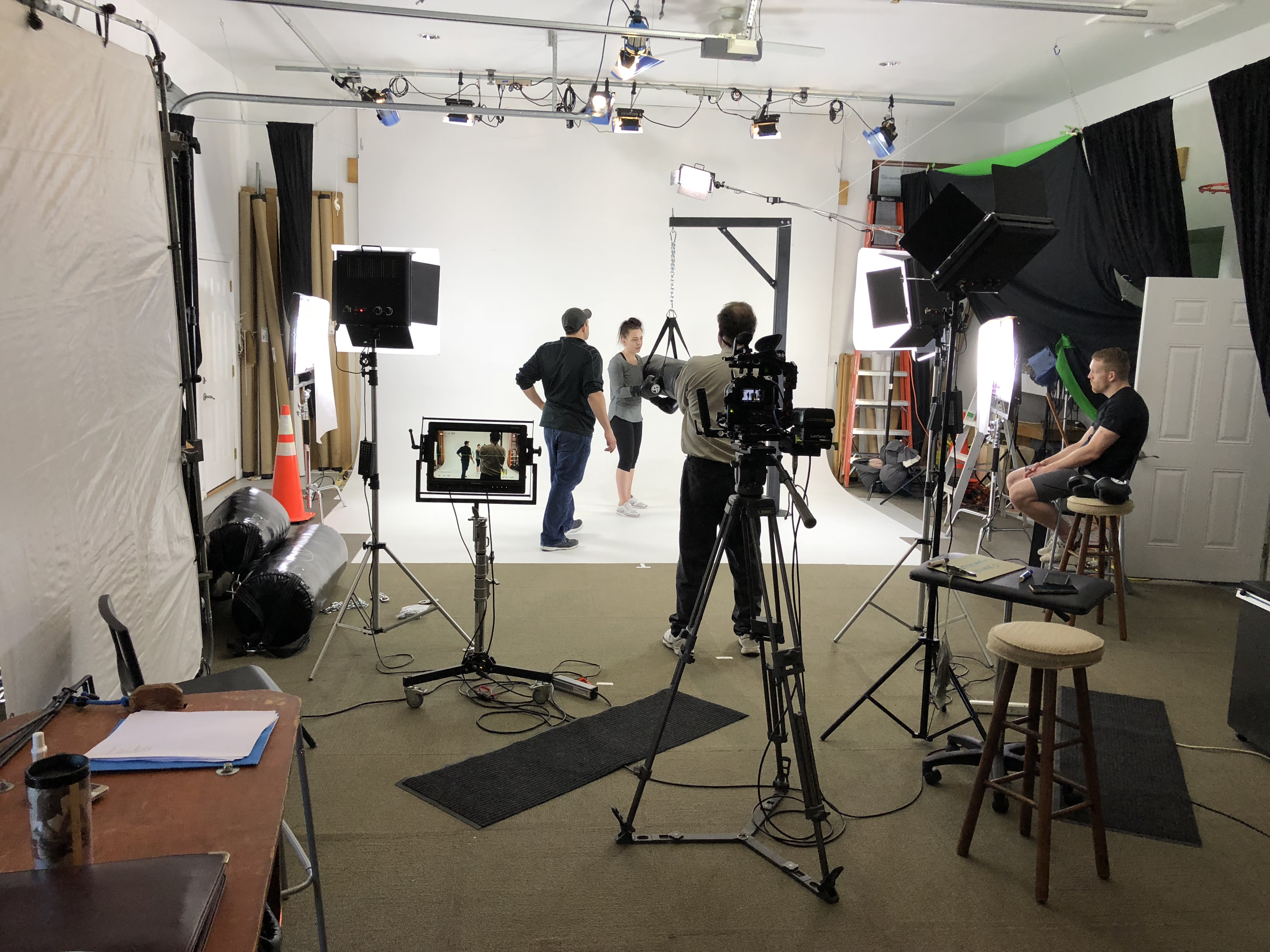
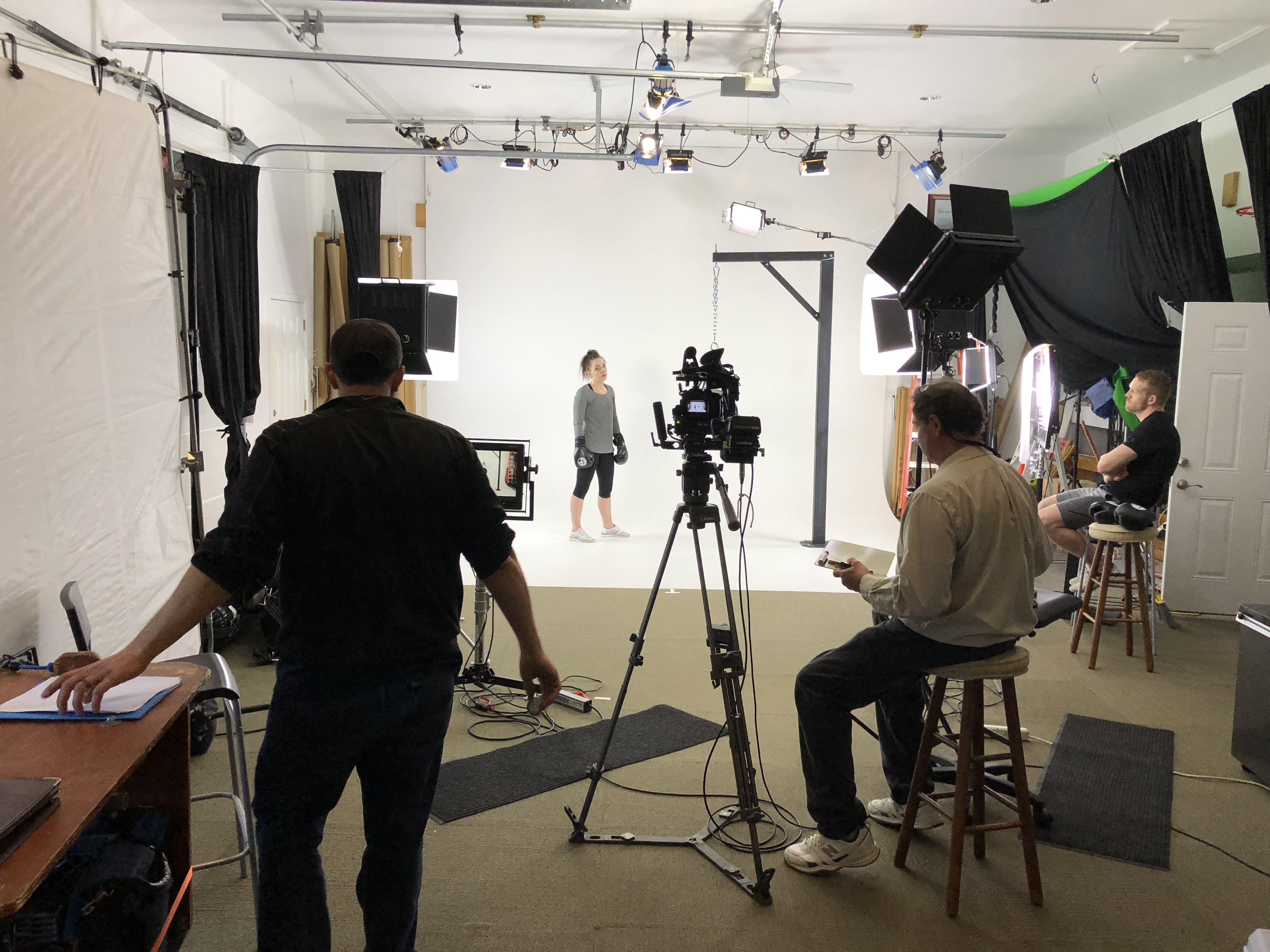
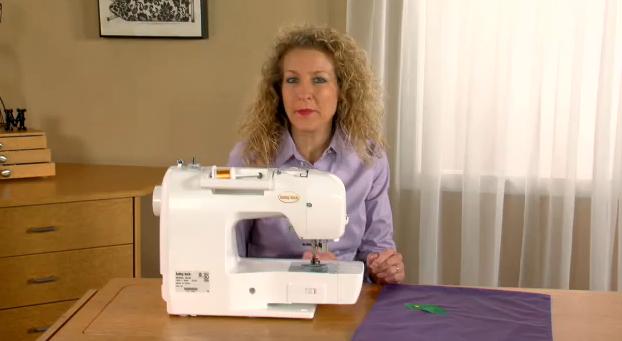
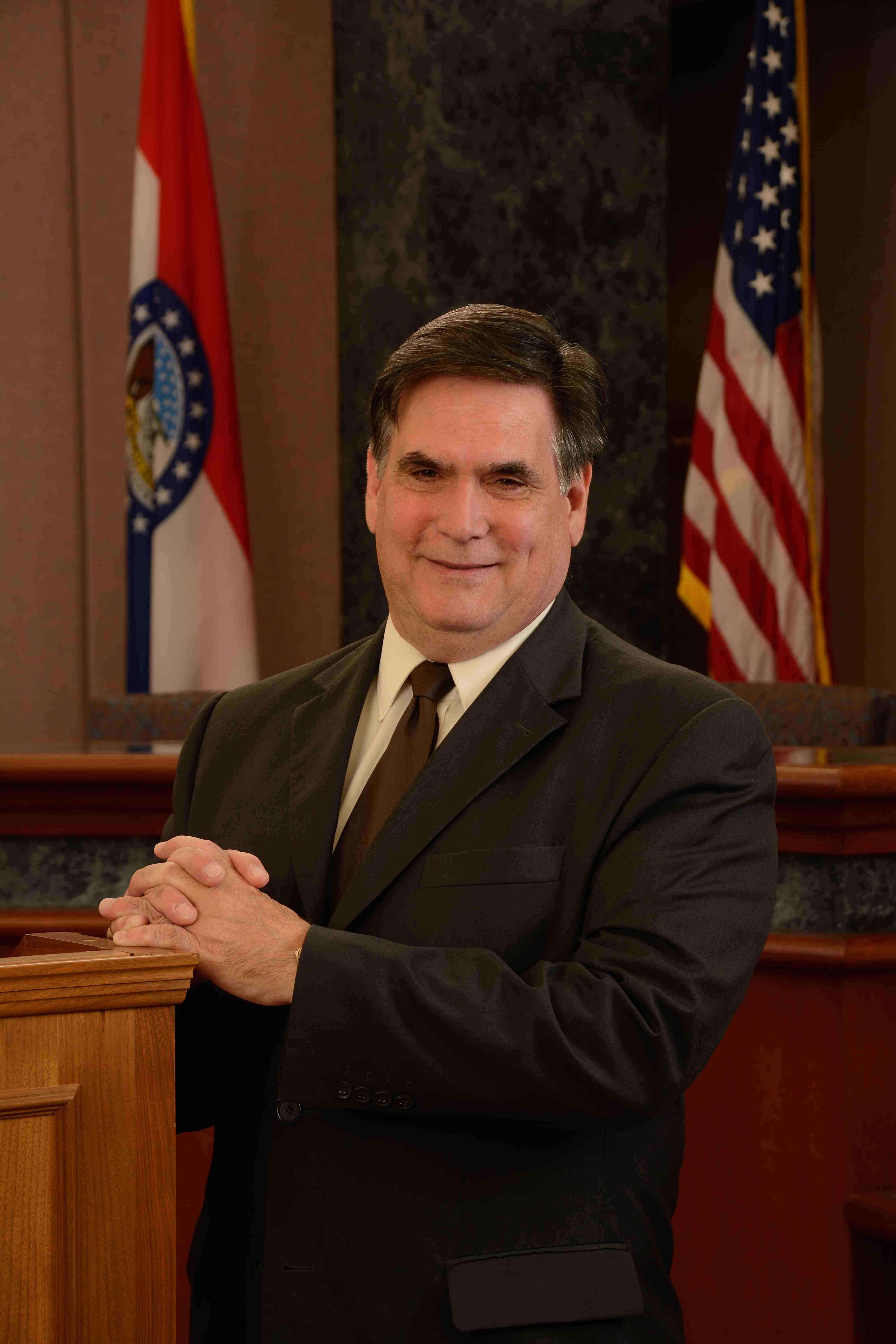
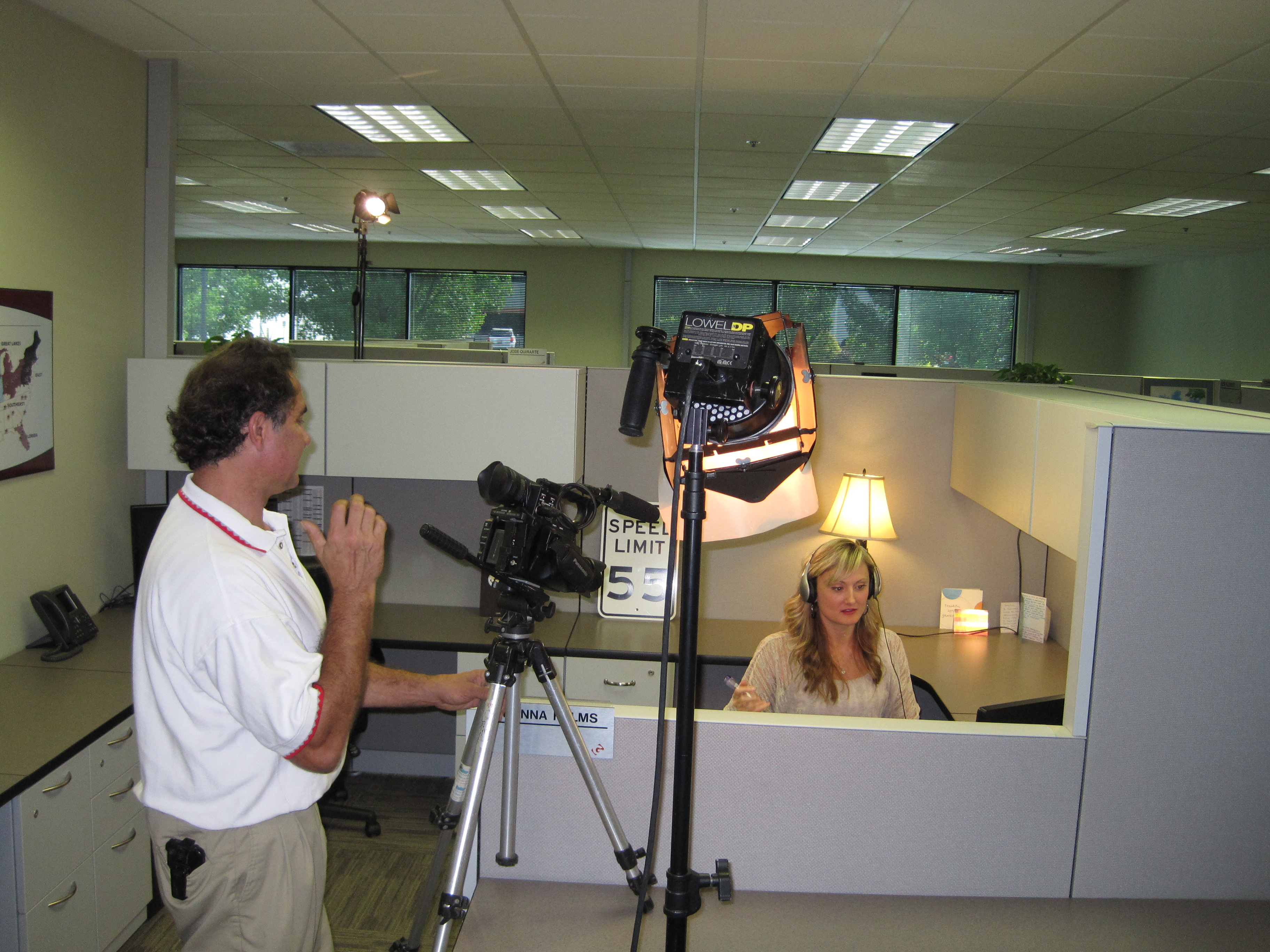
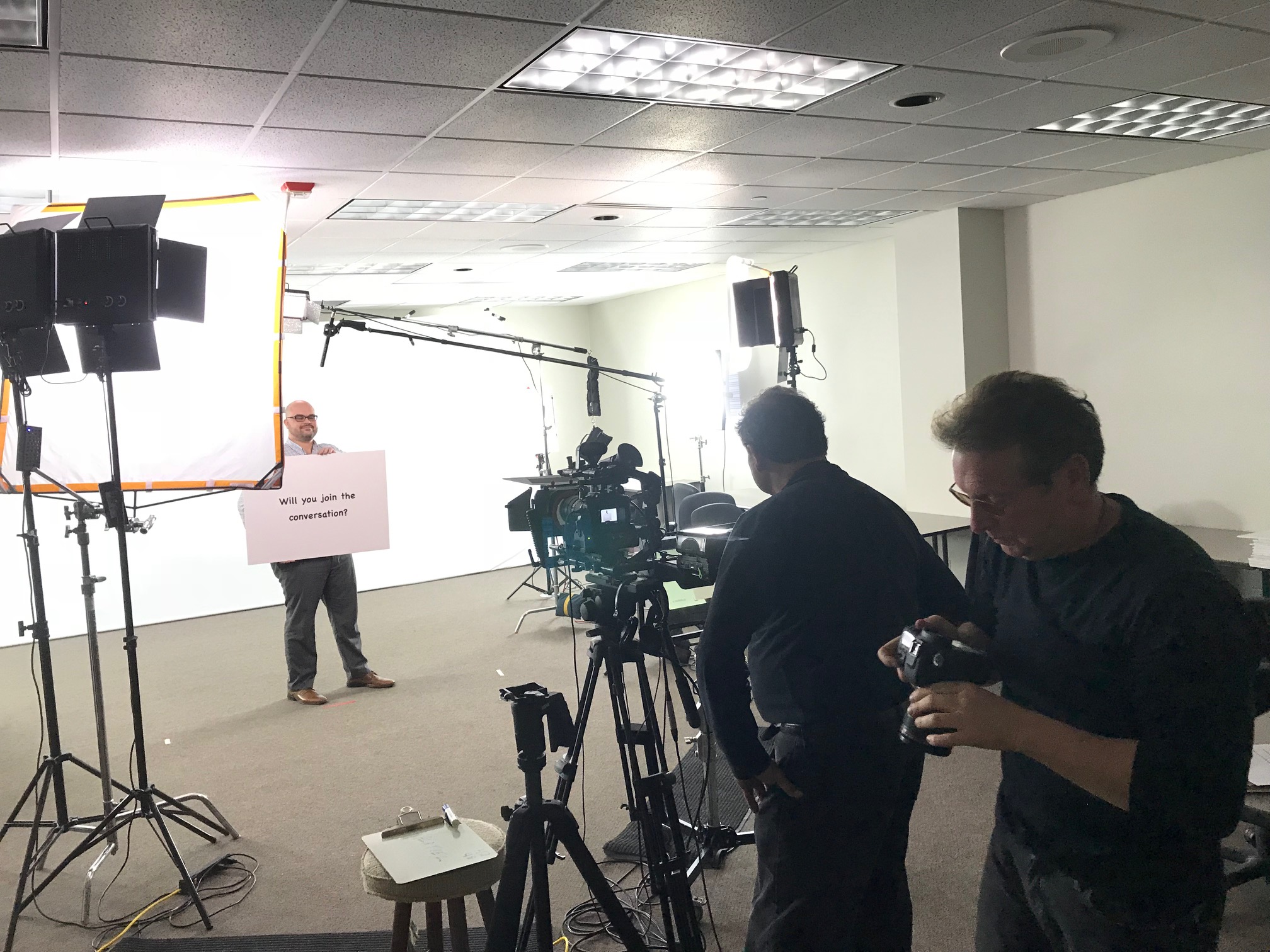
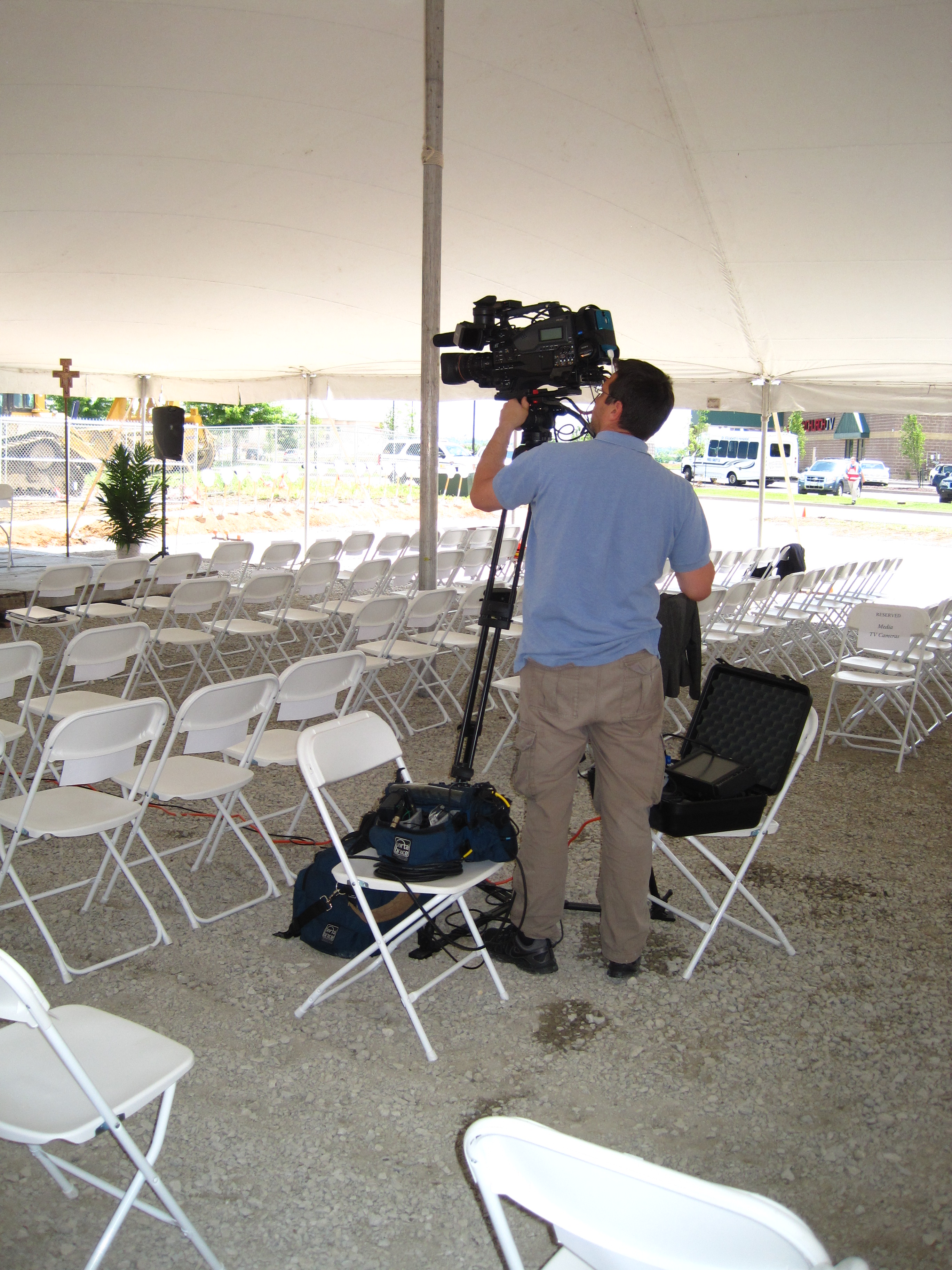
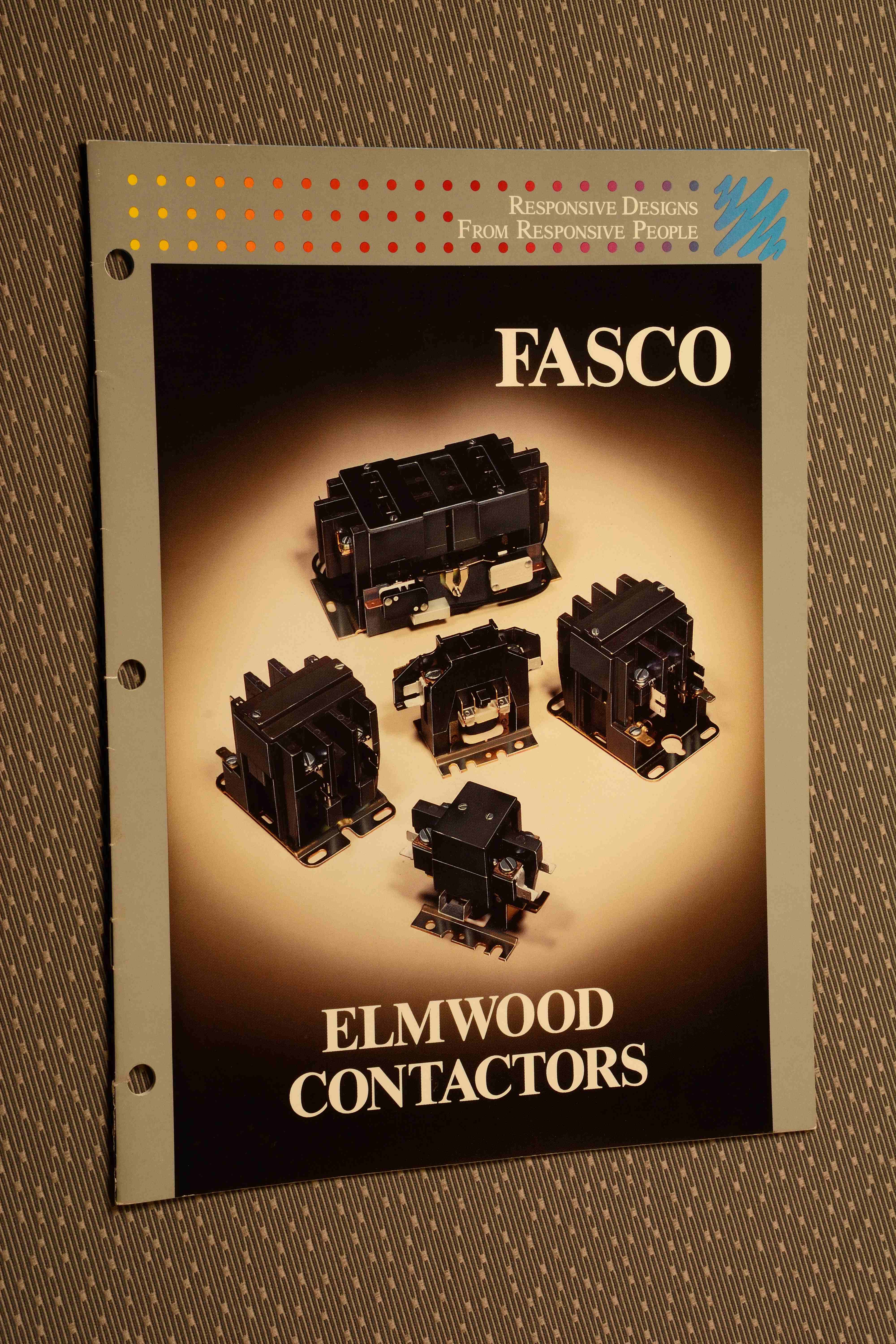
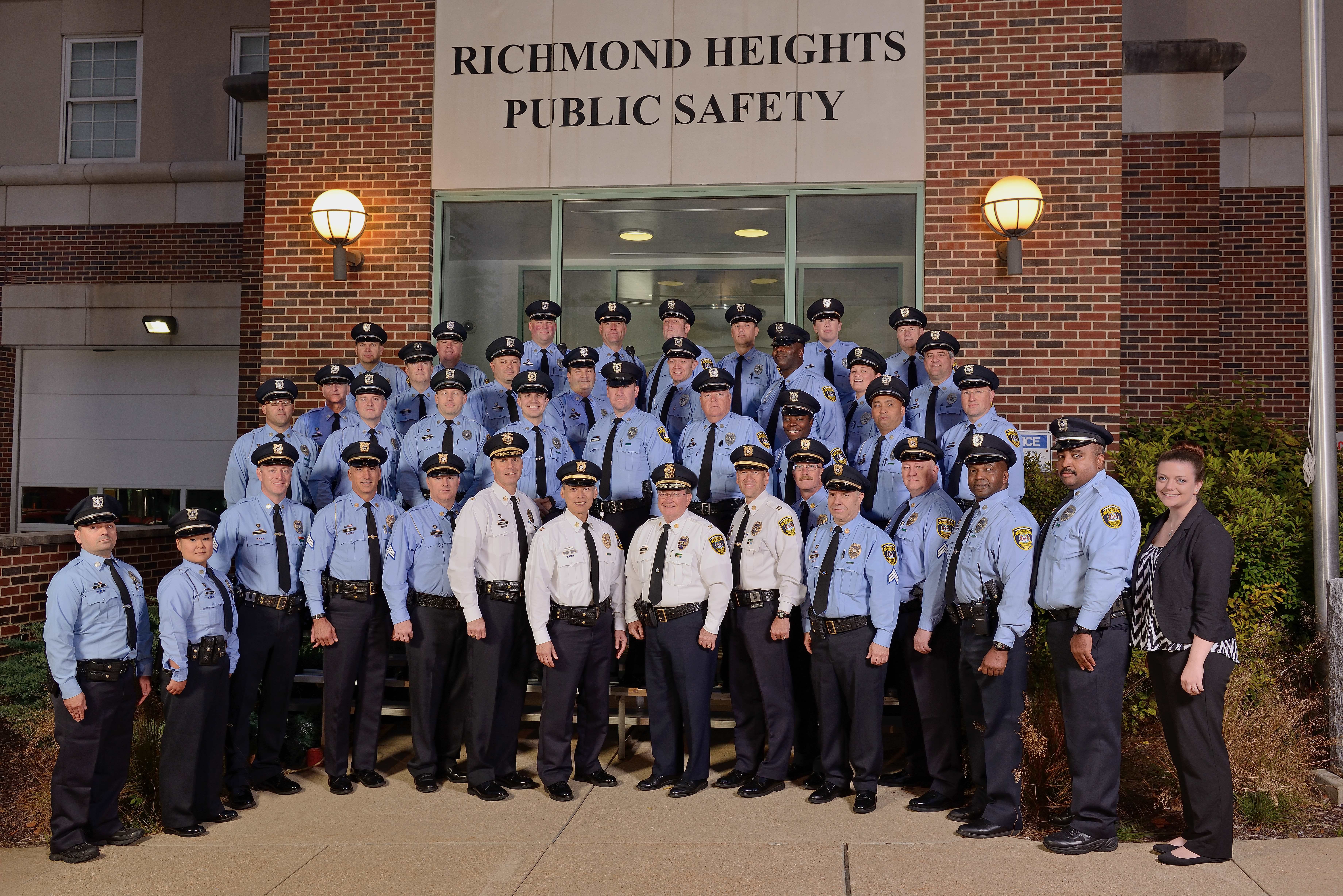
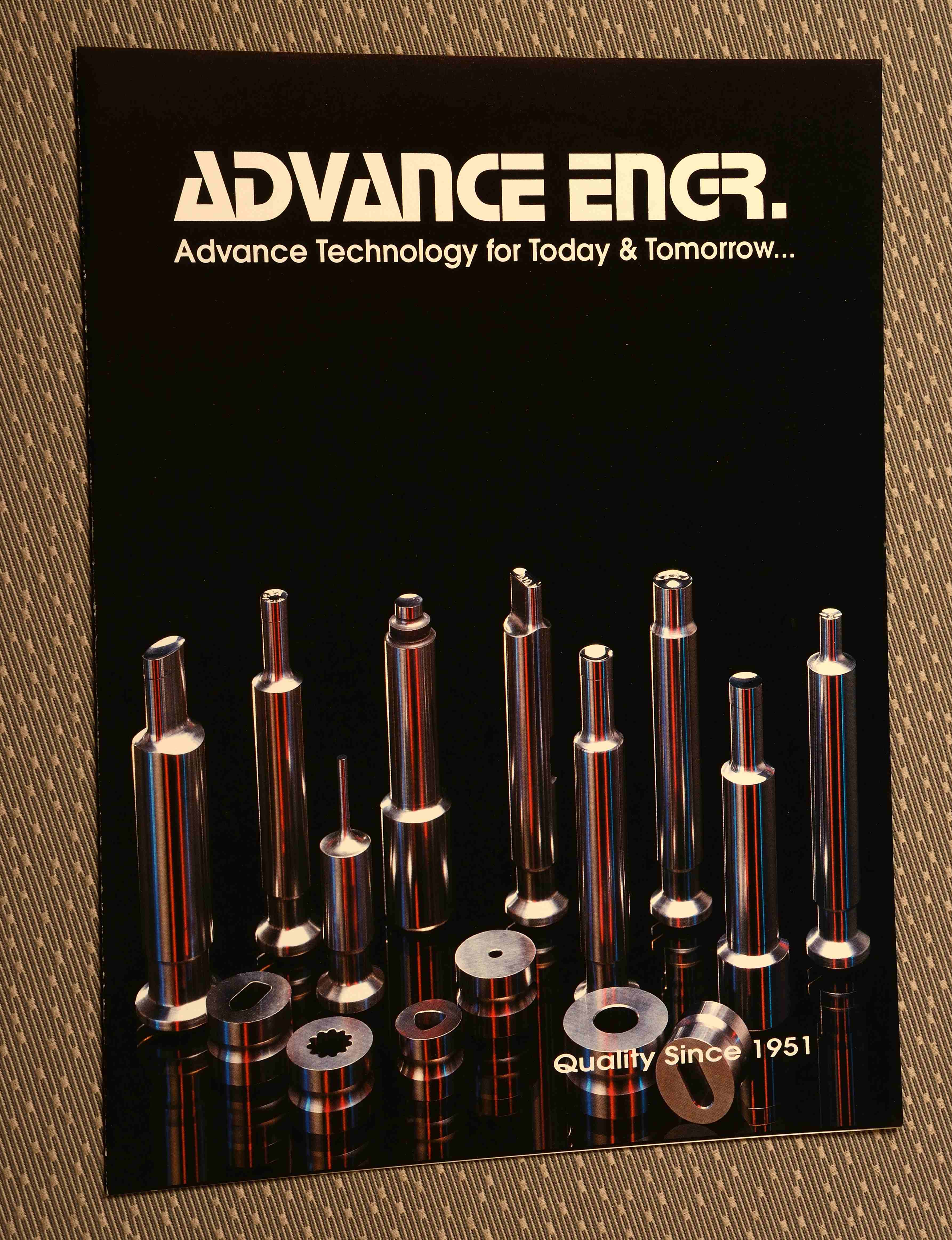
Lighting is one of the most important technical and creative elements of photography.
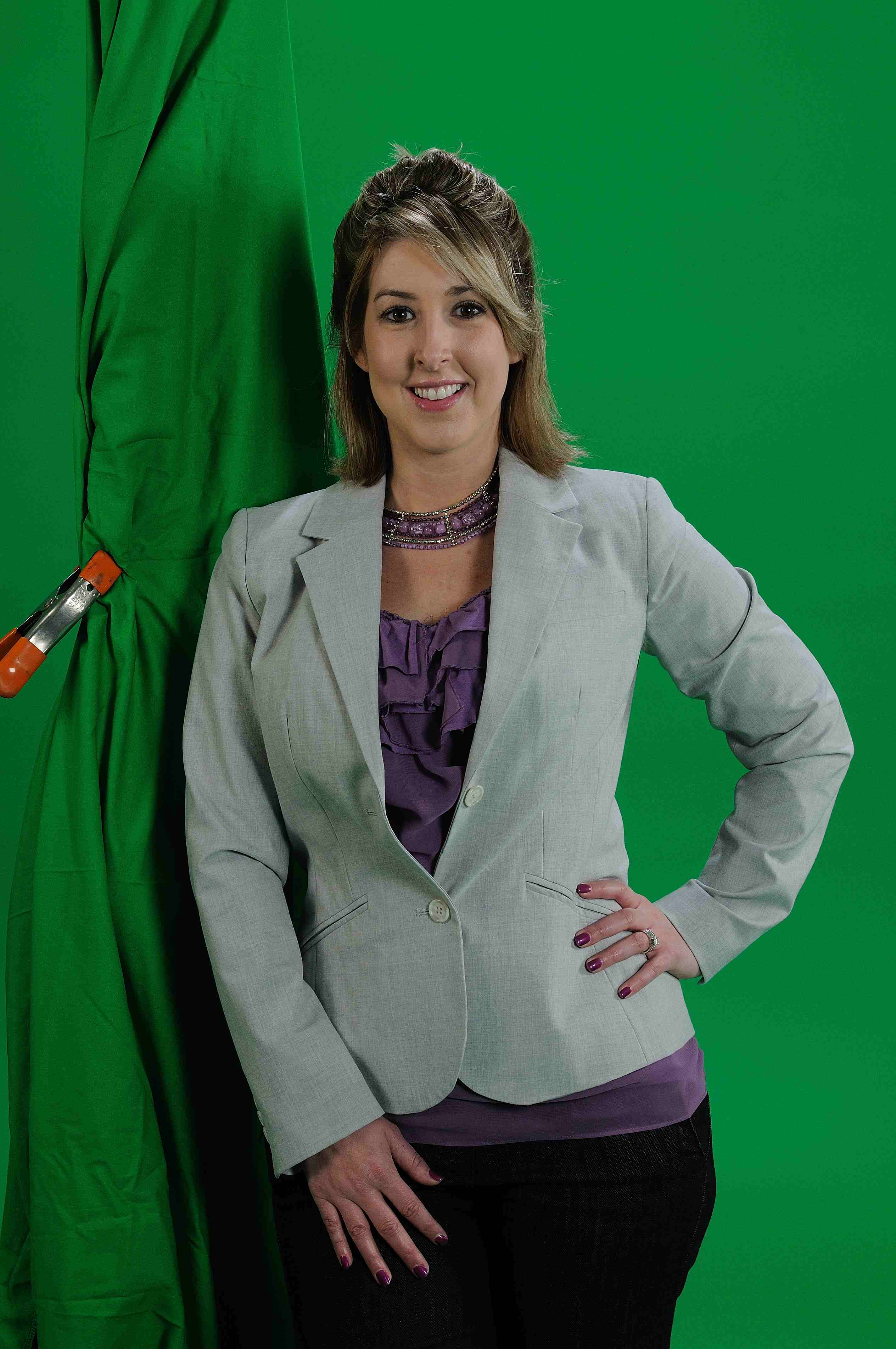
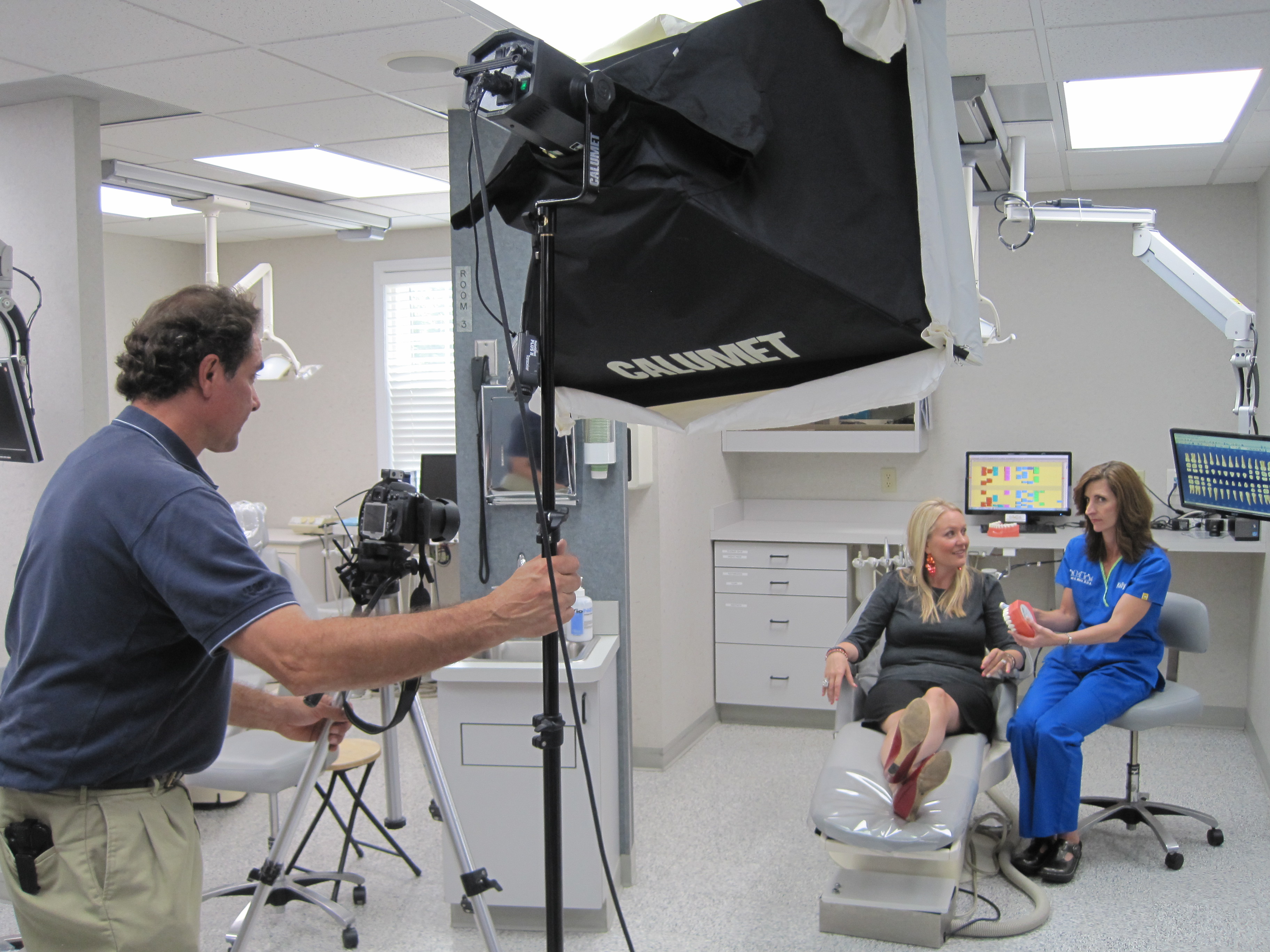
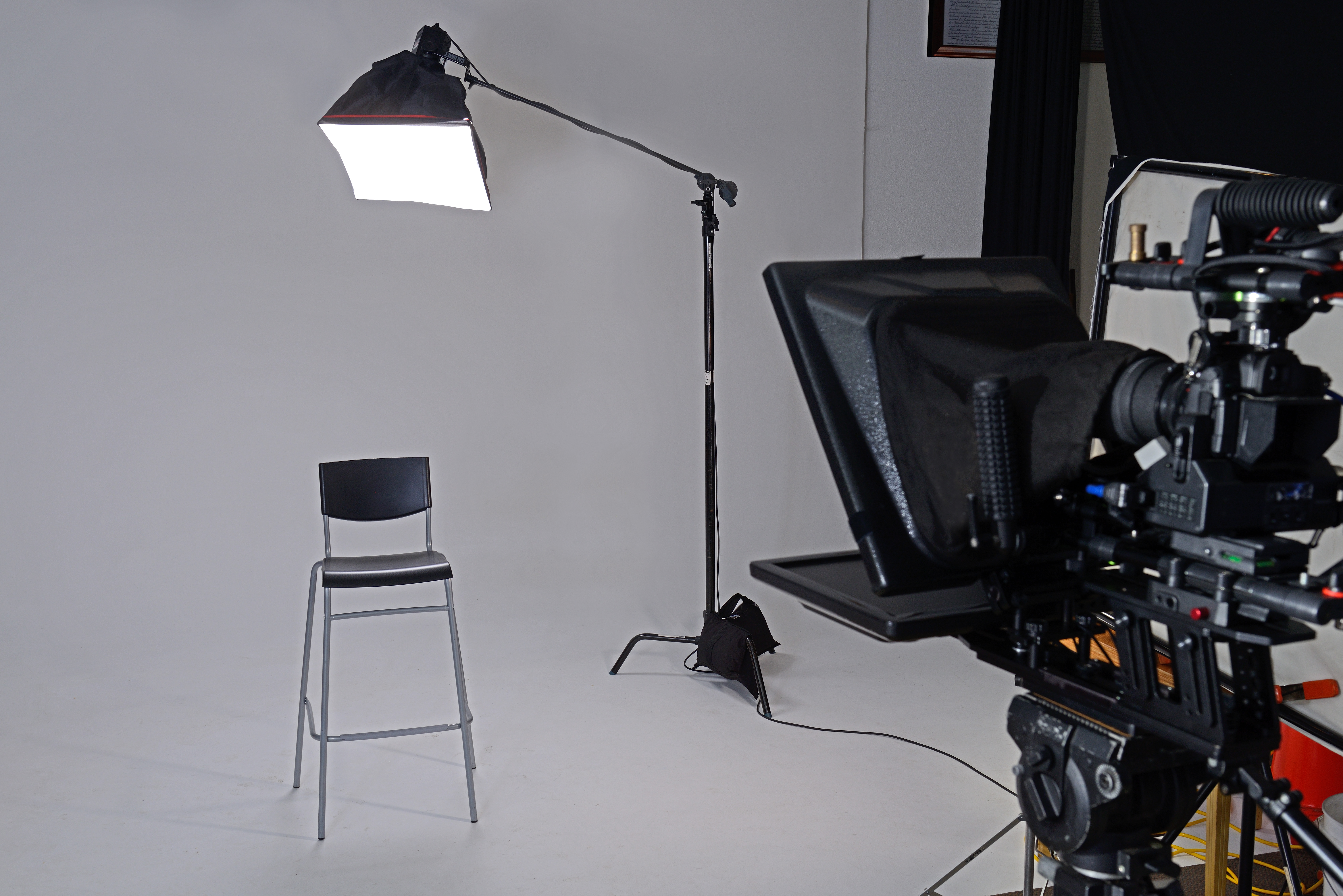
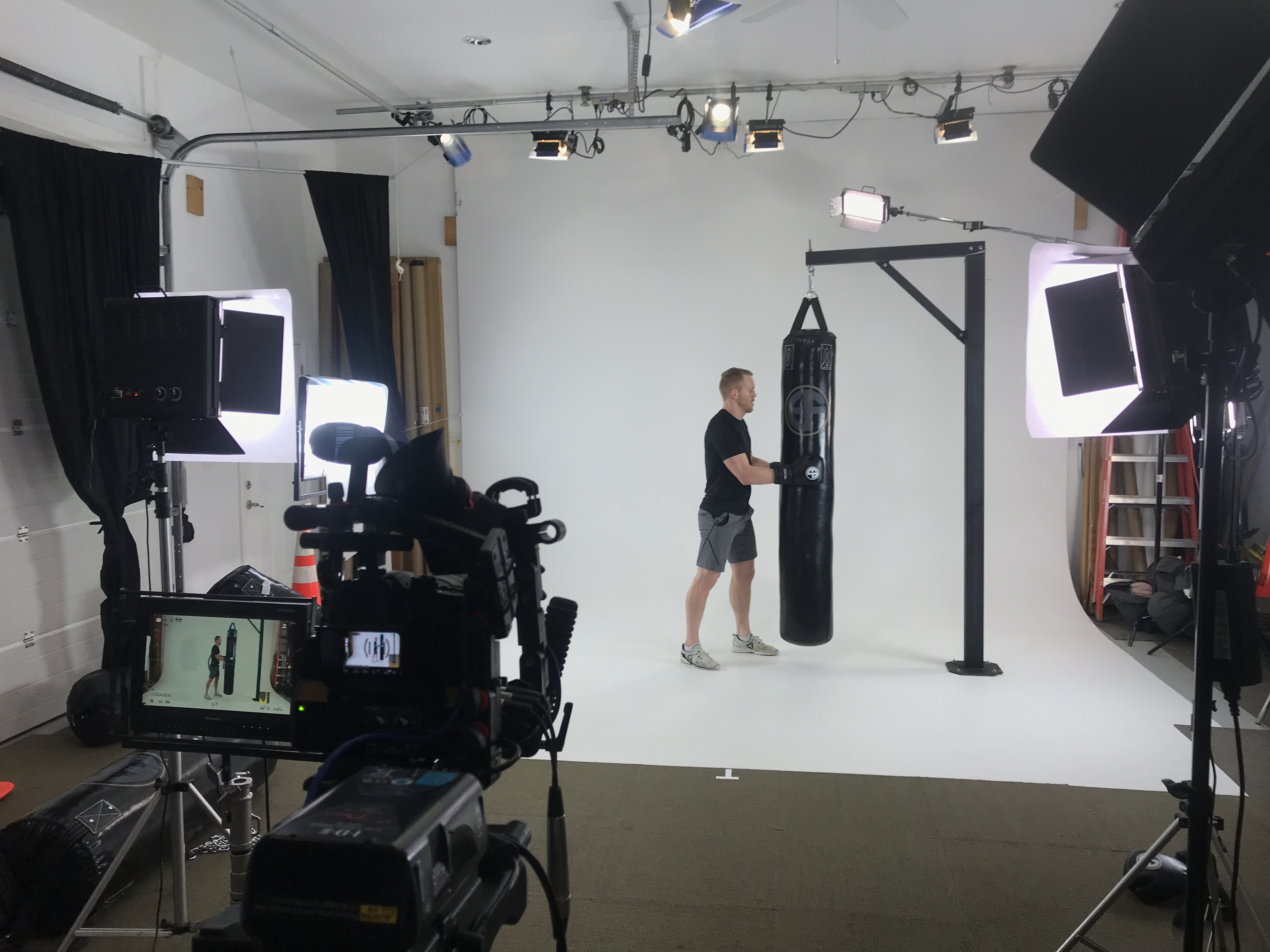
Commercial photography studios employ specialized lighting equipment that allows photographers to control exposure, direction, contrast, color temperature, shadow detail, reflections, and background separation.
Unlike natural lighting, which changes throughout the day, professional studio lighting can be precisely adjusted and replicated.
This is particularly important for organizations producing multiple employee portraits, product images, executive headshots, or advertising photographs over an extended period.
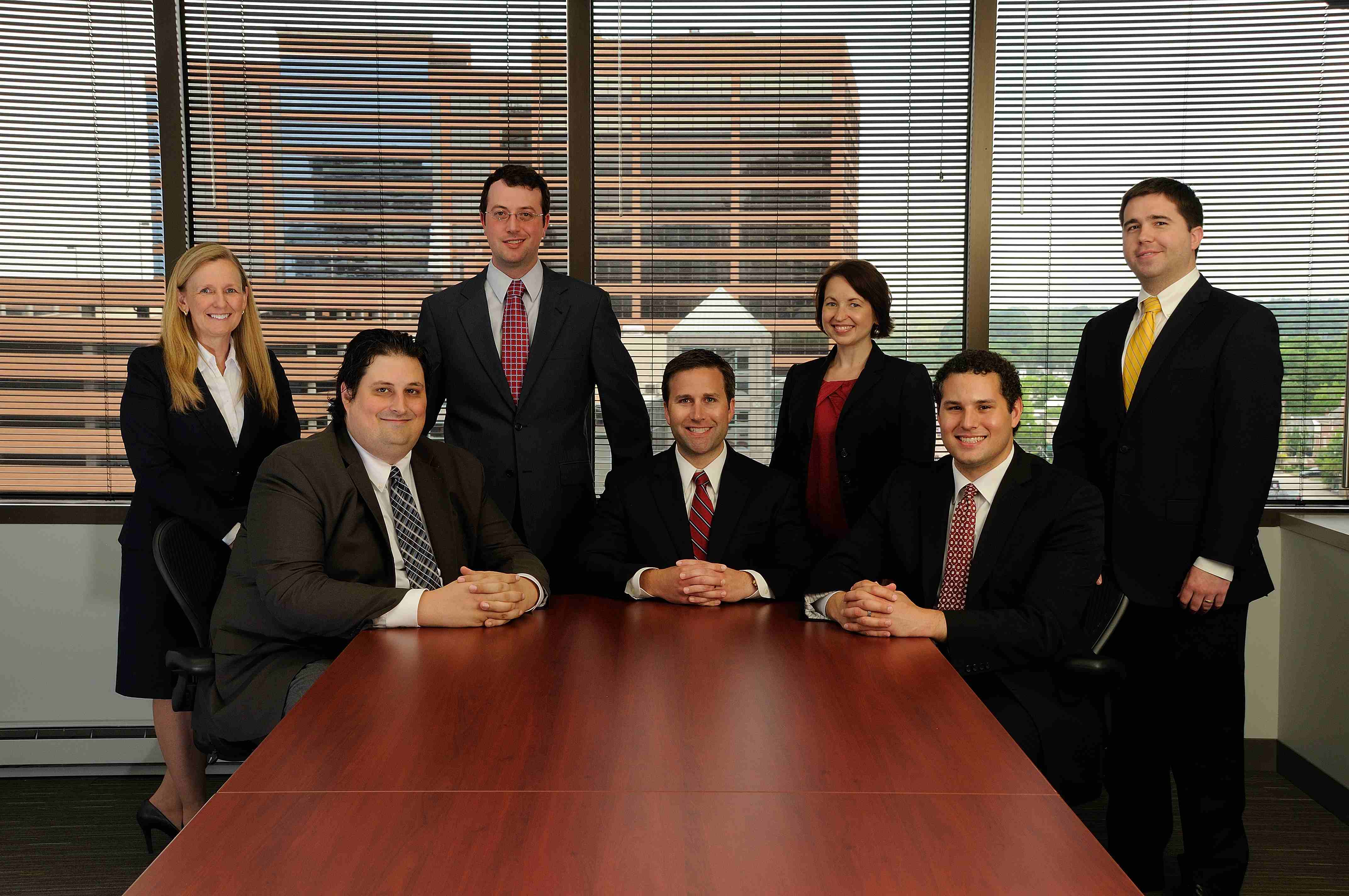
For example, a business photographing its leadership team may need additional portraits months later. Documented studio lighting arrangements and consistent camera techniques allow the new photographs to closely match the original collection.
This consistency reinforces the company’s professional appearance across its website, business publications, and marketing campaigns.
2. Privacy and Fewer Production Distractions
Corporate executives and employees are not necessarily comfortable appearing in front of a camera.
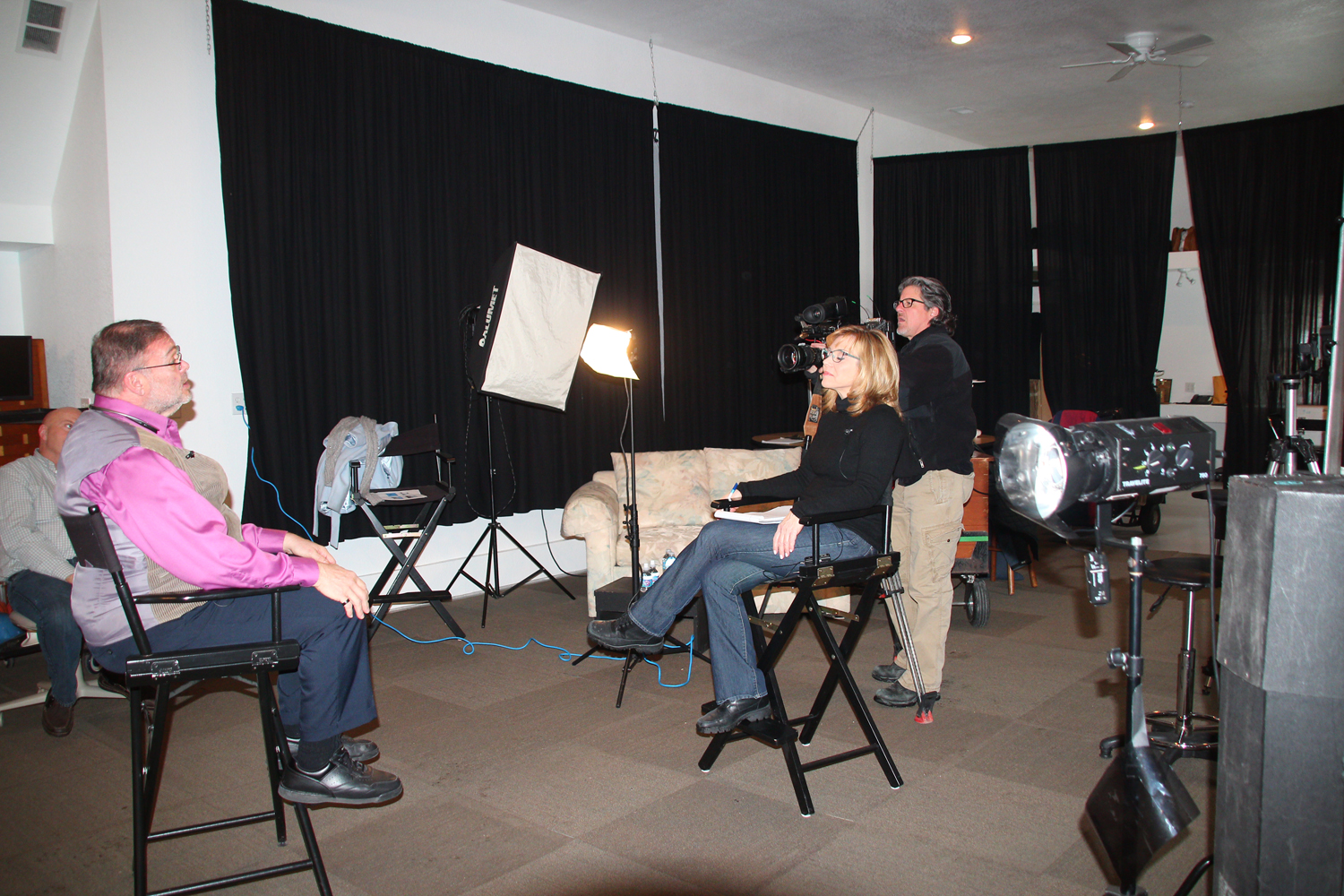
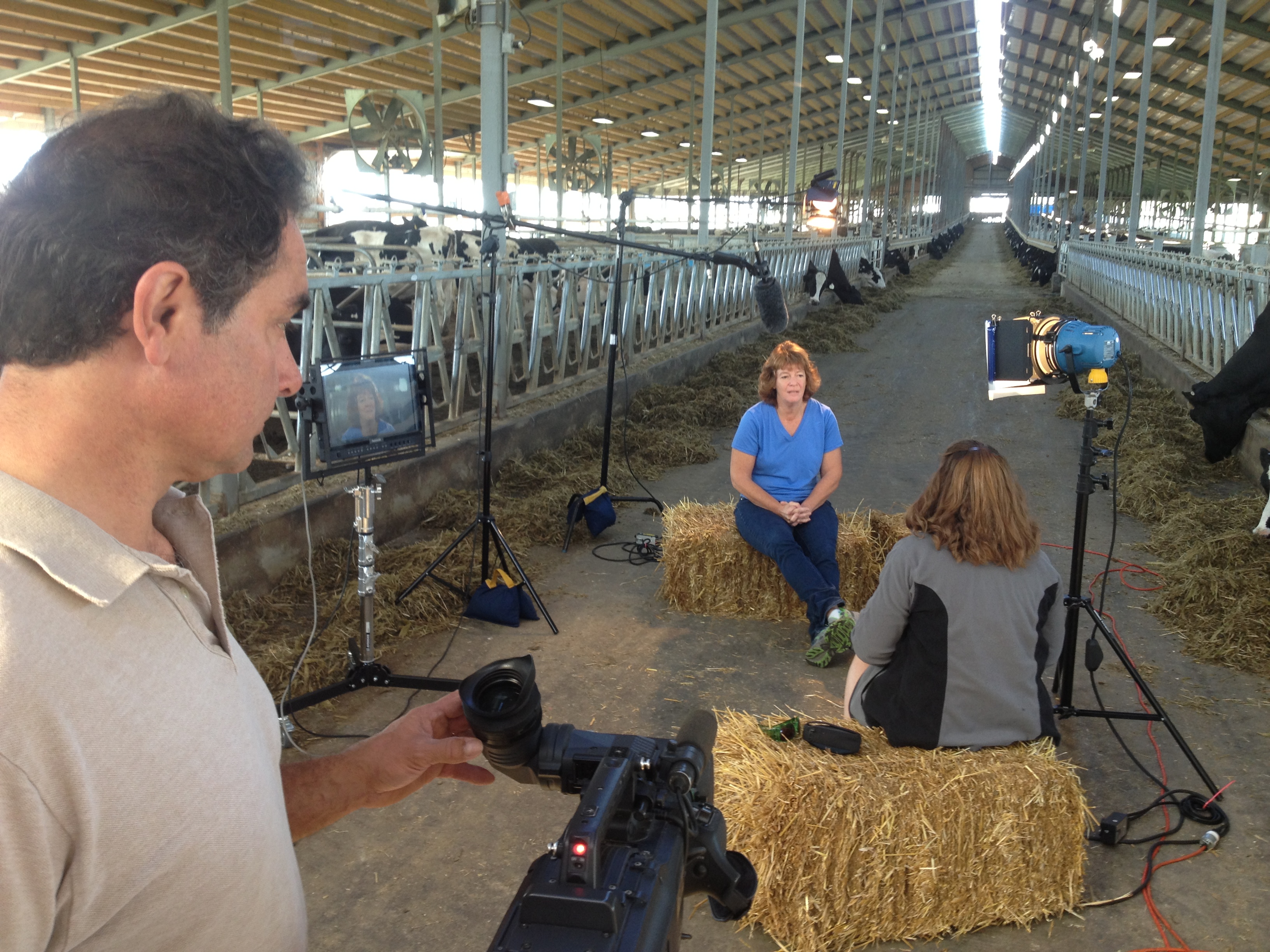
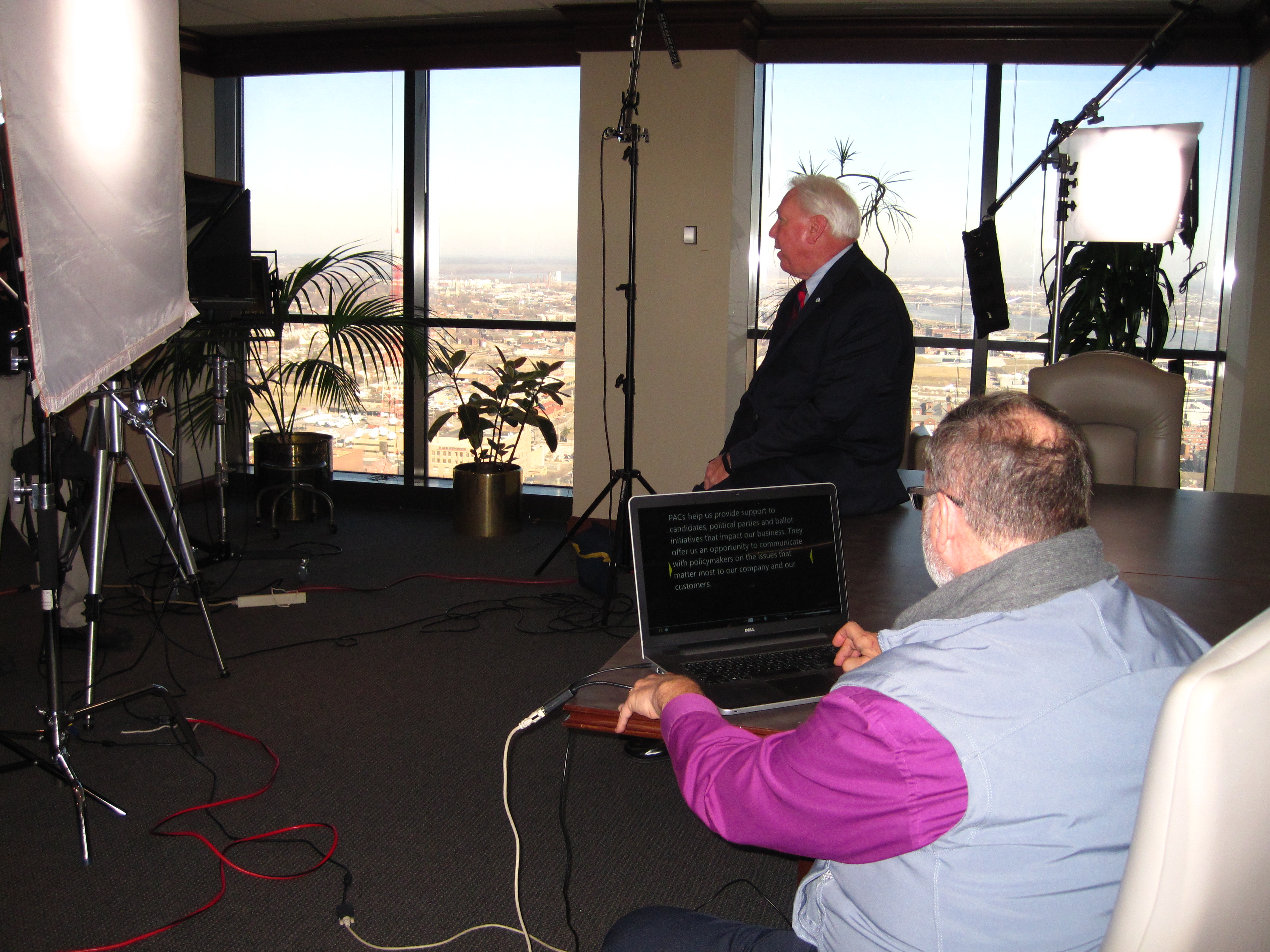
A private photography studio provides an environment where subjects can concentrate on the assignment without interruptions from employees, customers, workplace activity, or passing visitors.
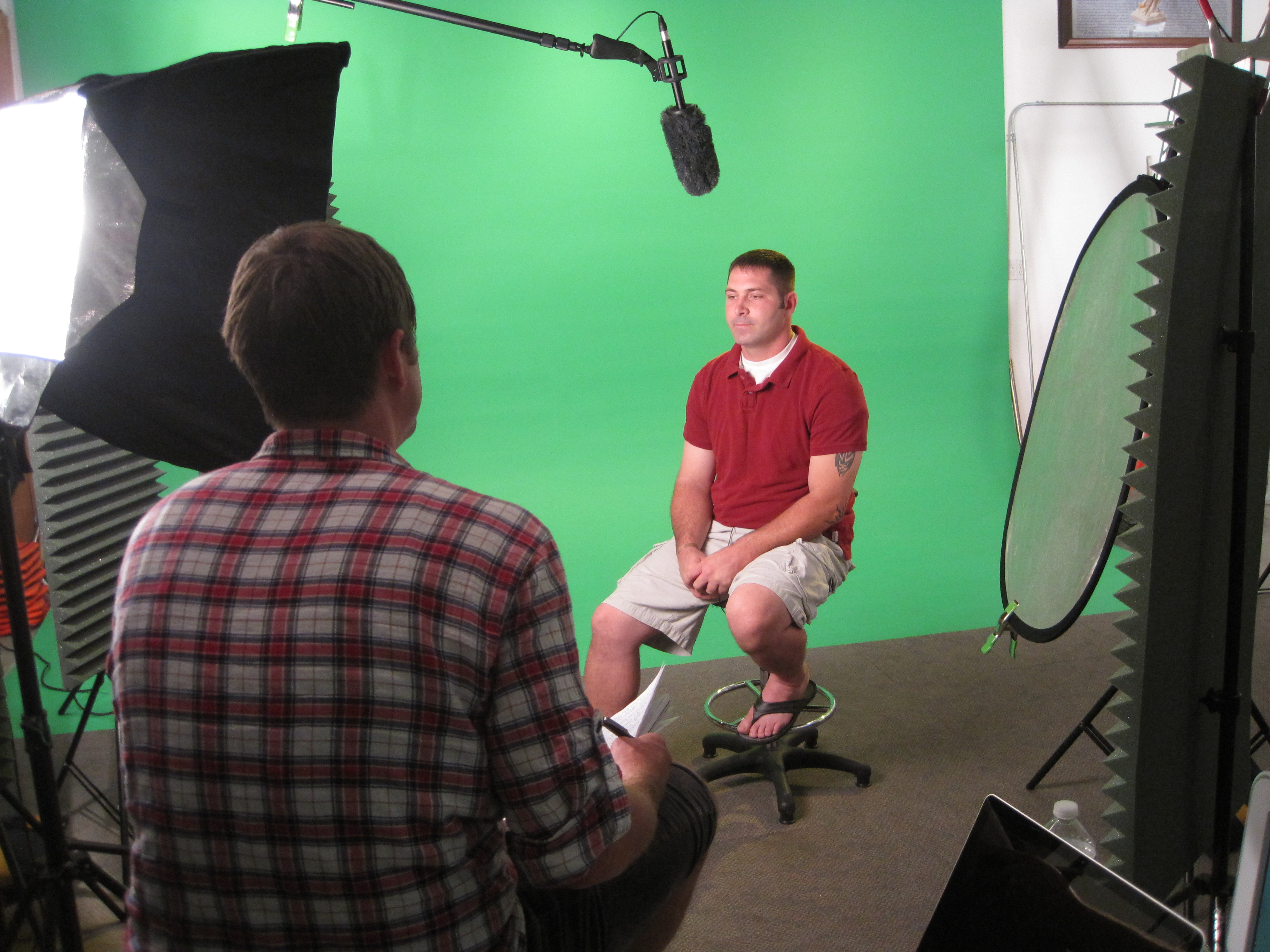
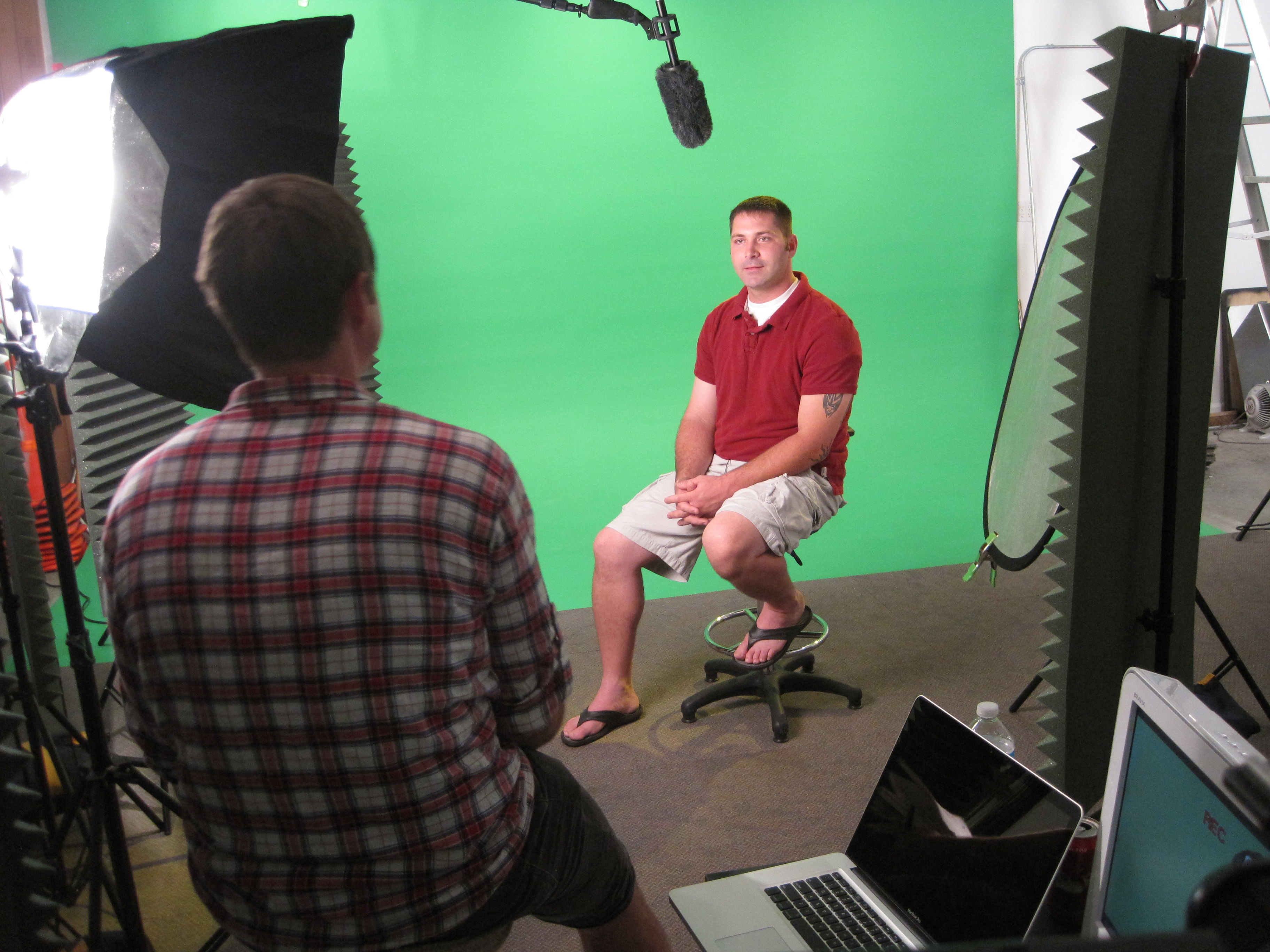
Privacy is particularly valuable for executive portraits, confidential corporate presentations, interviews, and professional testimonial productions.
Studio environments also make it easier to manage schedules, coordinate wardrobe adjustments, control backgrounds, and maintain a professional atmosphere throughout the session.
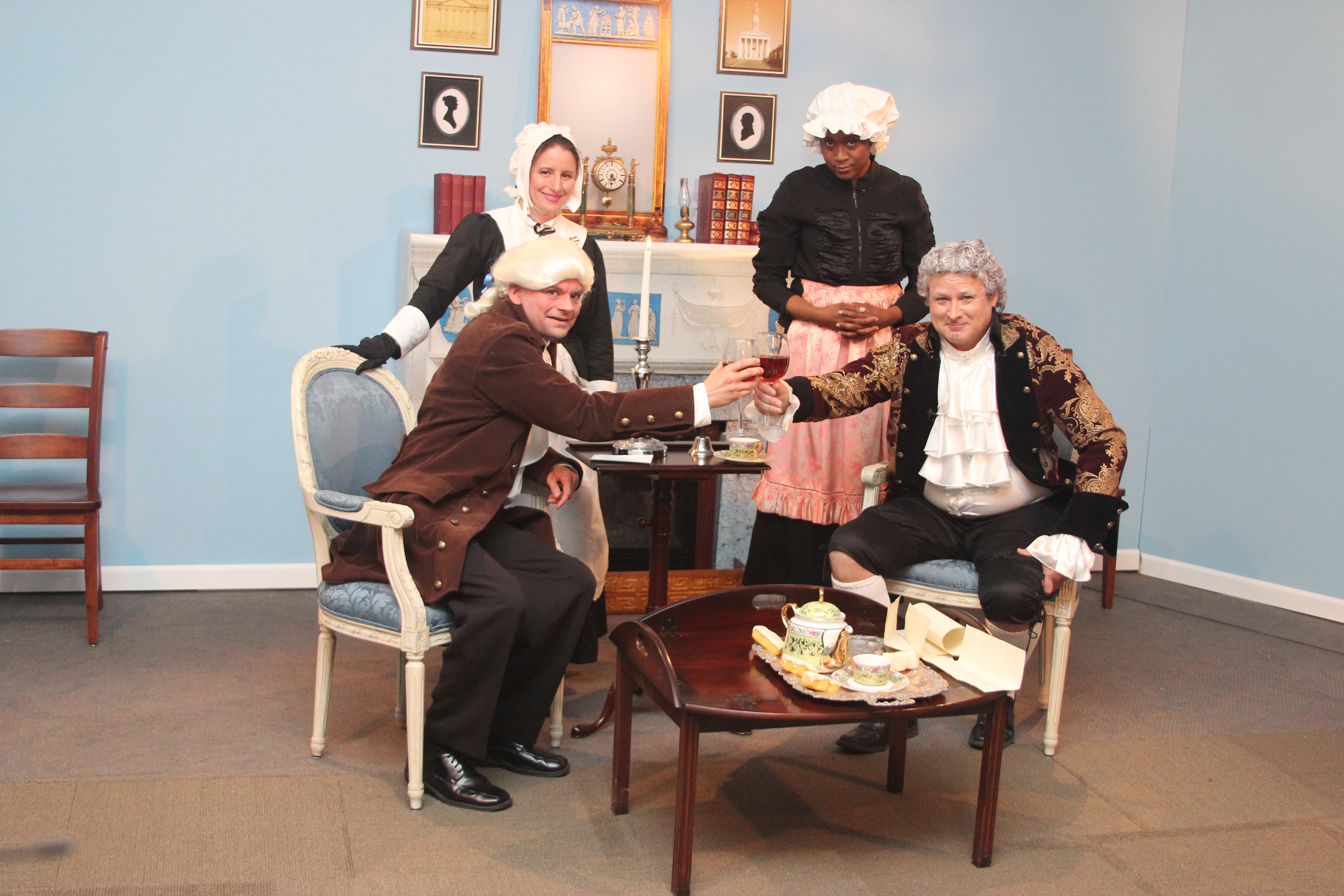
3. Custom Backgrounds, Props, and Set Design
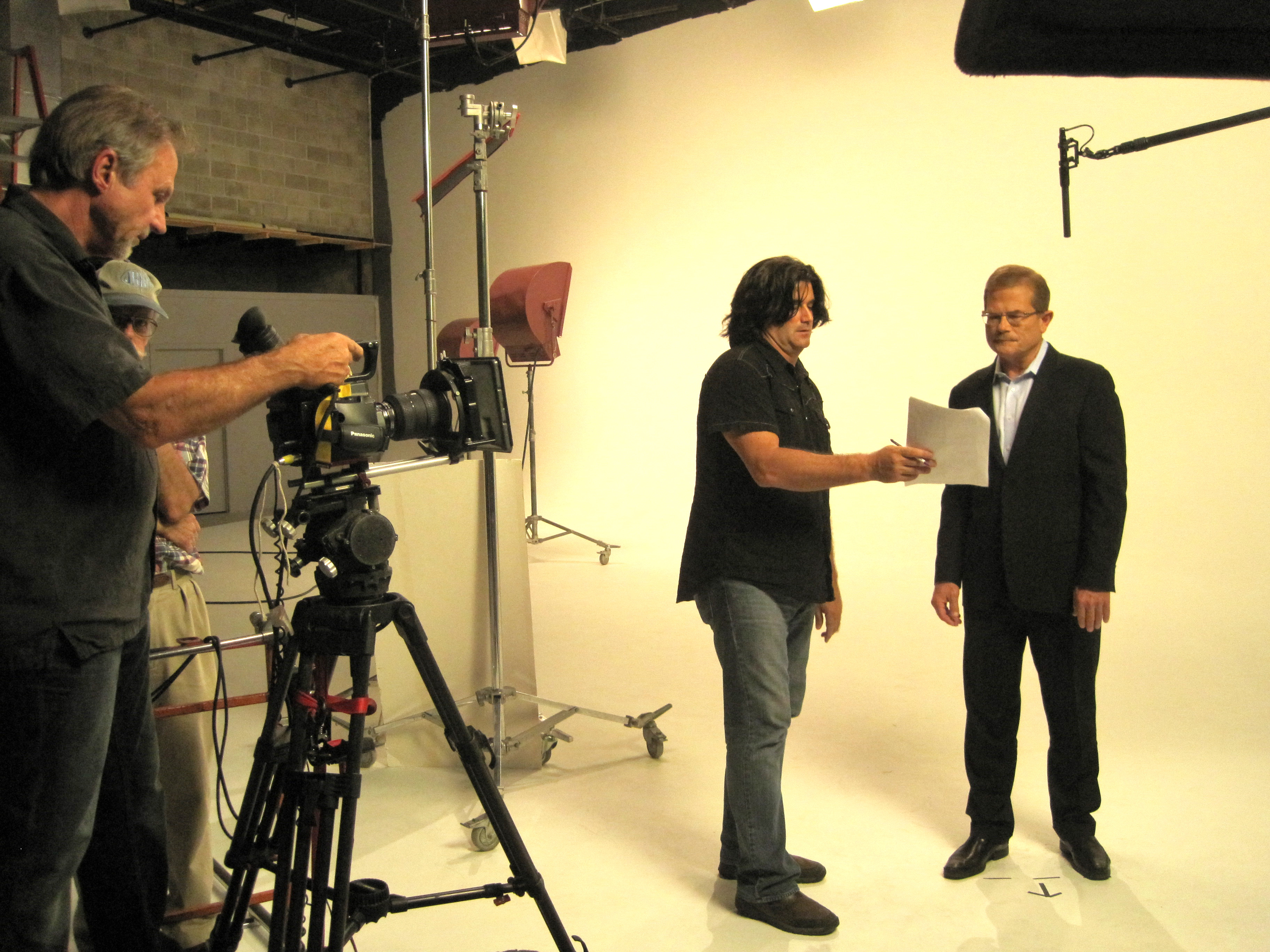
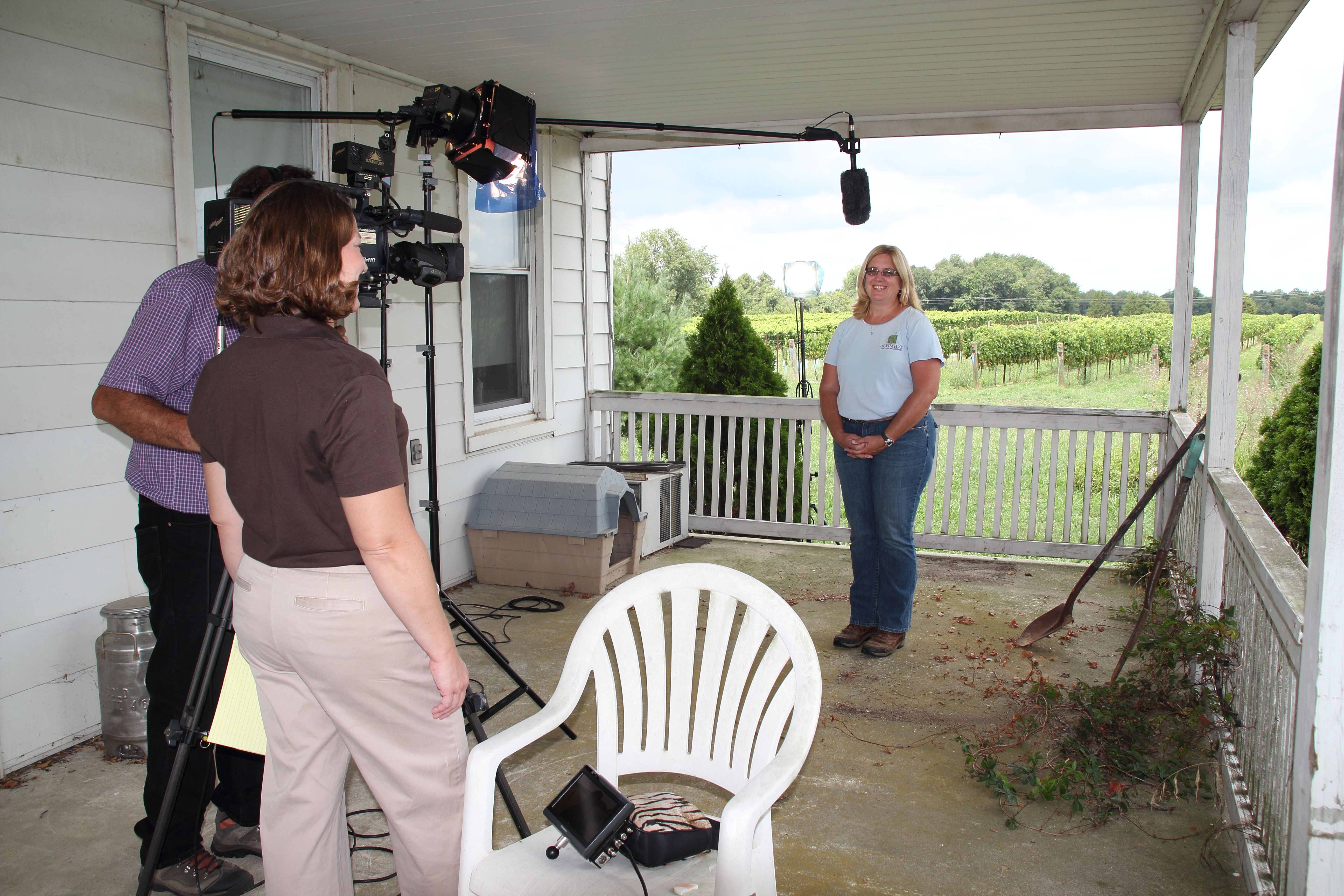
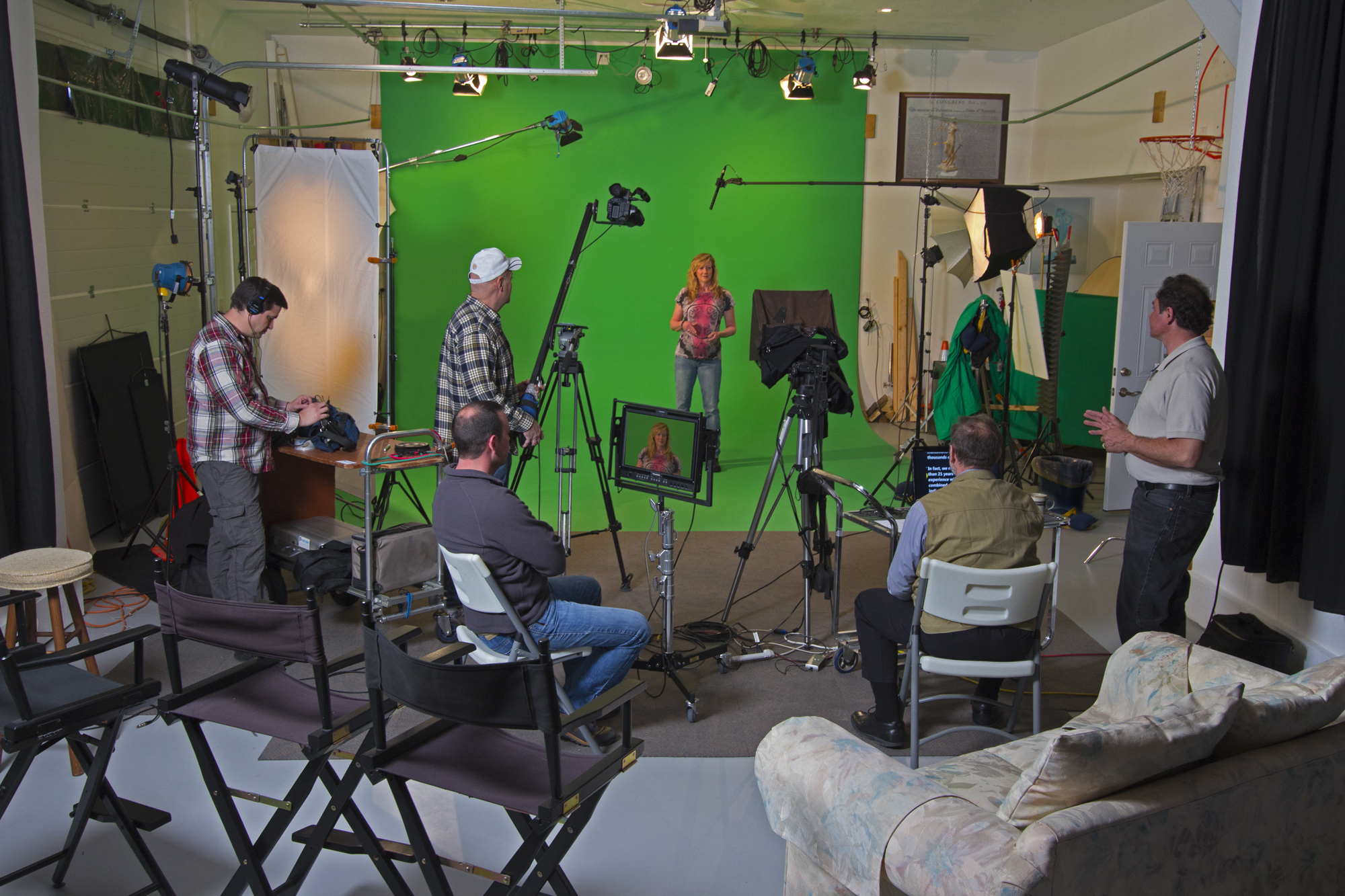
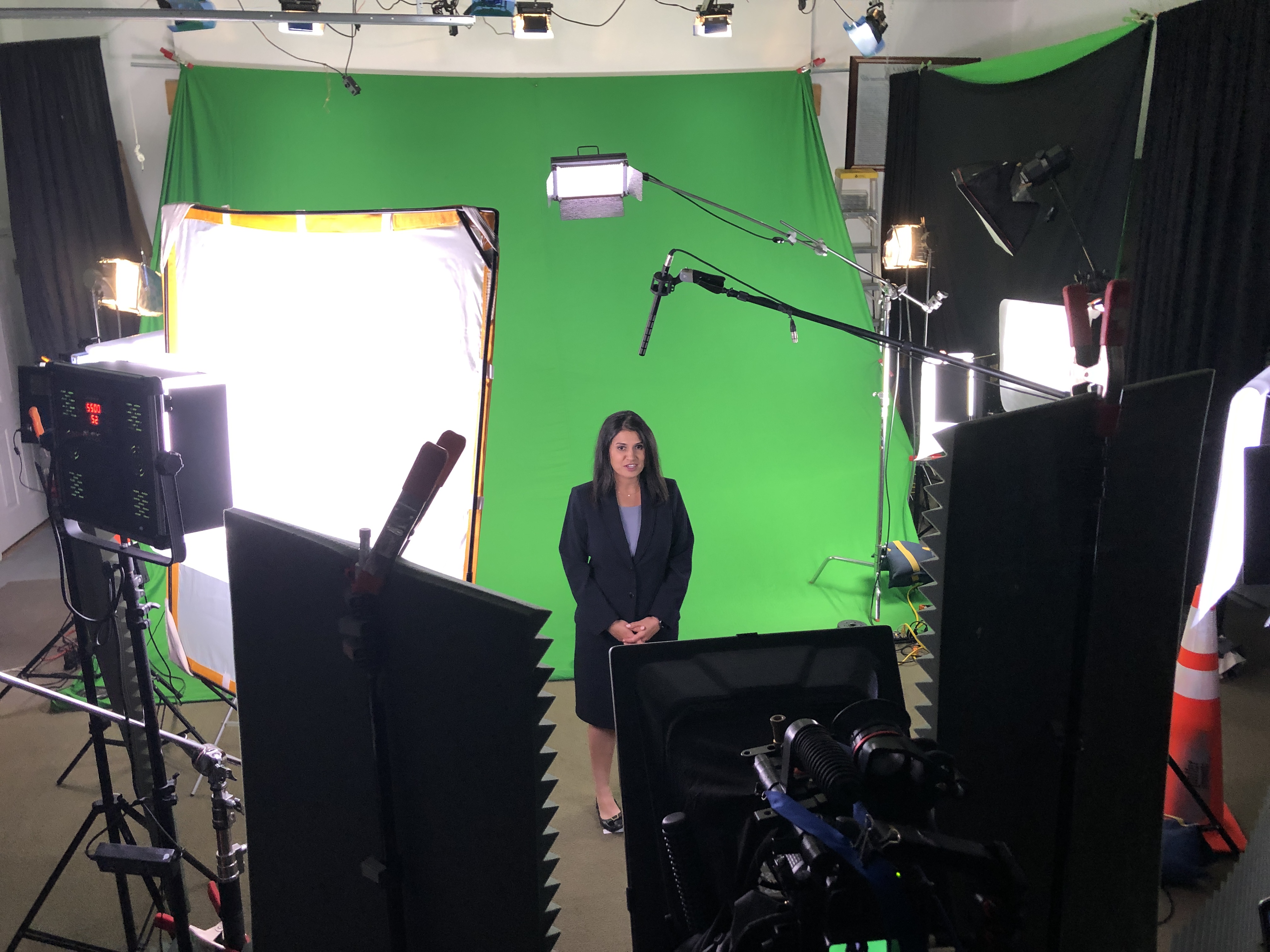
A versatile professional photo studio can be adapted to support a variety of creative requirements.
Backgrounds, furnishings, tables, architectural elements, products, branded graphics, and other props can be introduced to establish a specific appearance.
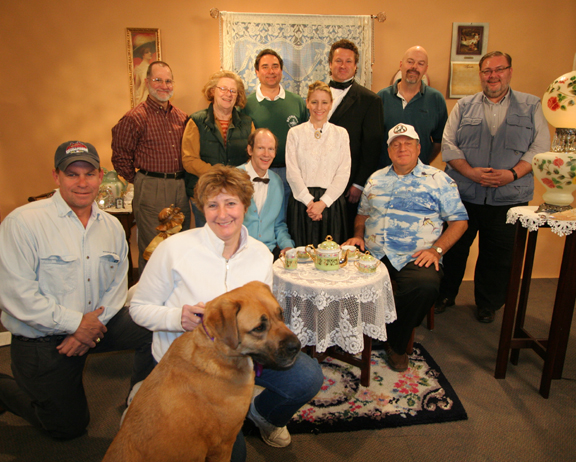
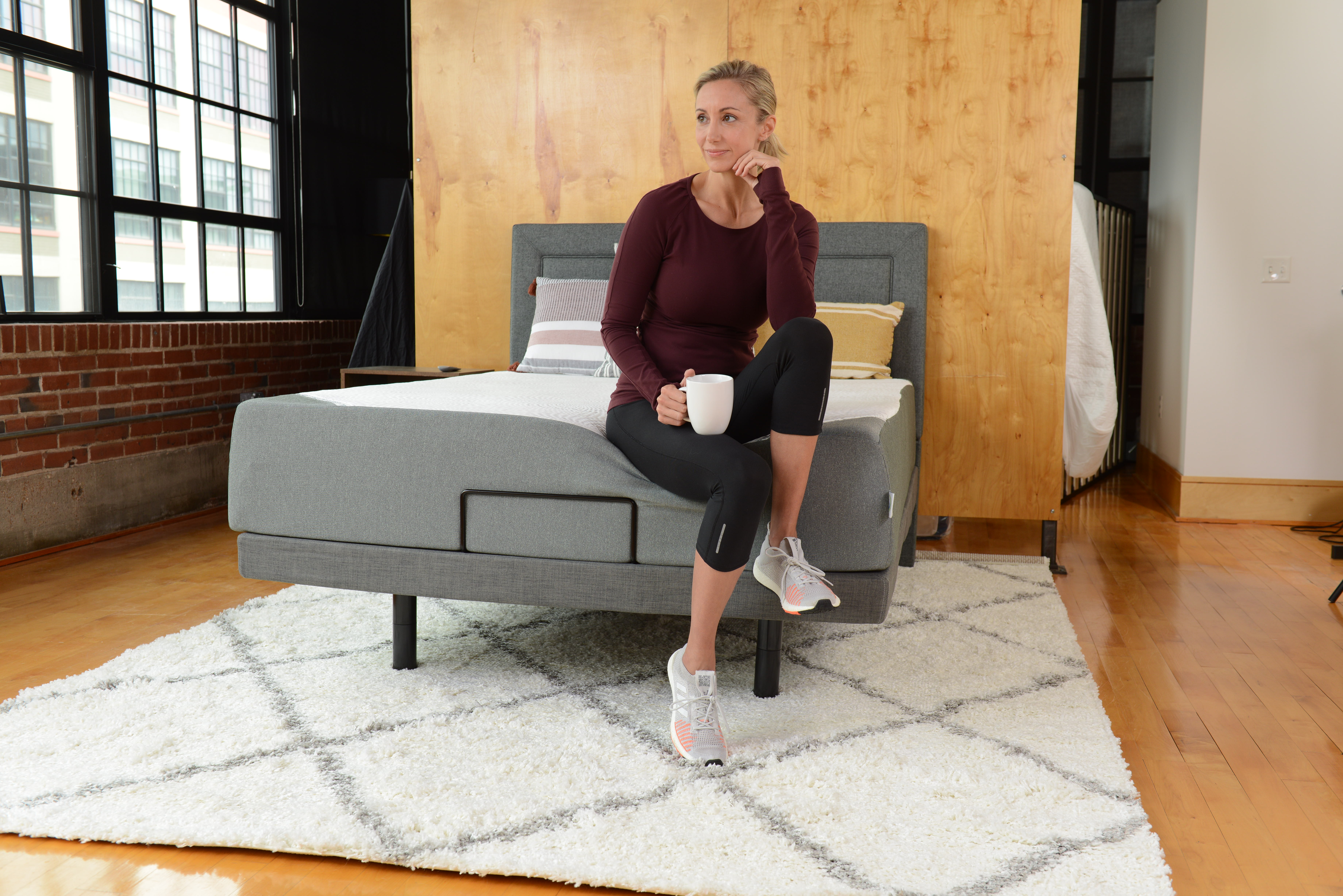
A business portrait might require a simple neutral backdrop, while a corporate interview could benefit from a more developed setting featuring furniture, decorative lighting, and carefully arranged branded elements.
For product photography, backgrounds and lighting can be customized to emphasize texture, shape, color, and surface characteristics.
A thoughtfully designed studio set helps ensure the finished image communicates the intended brand message without unnecessary visual distractions.
Commercial Photography Applications That Benefit From Studio Production
A professional commercial photography studio can serve numerous departments within the same organization.
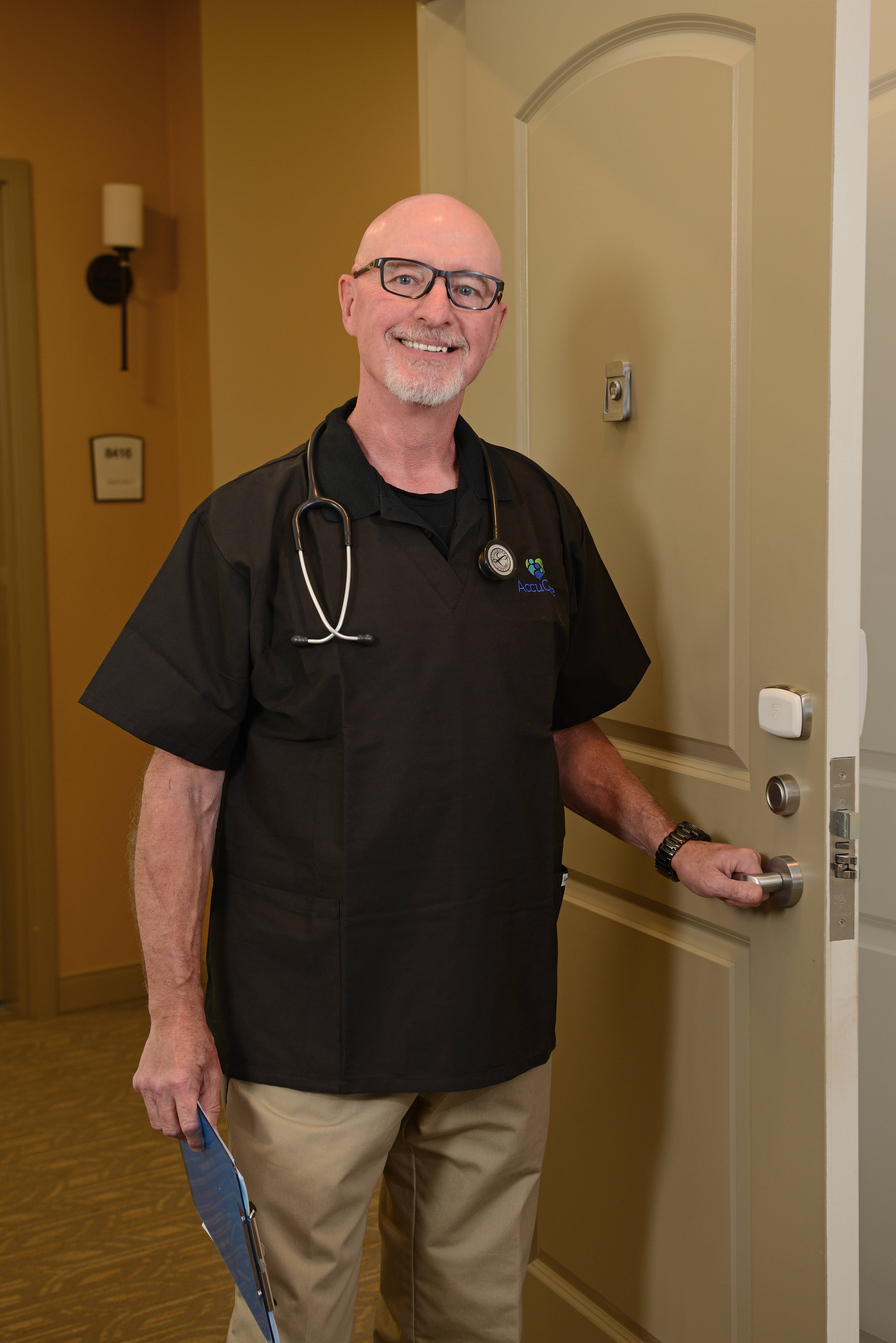
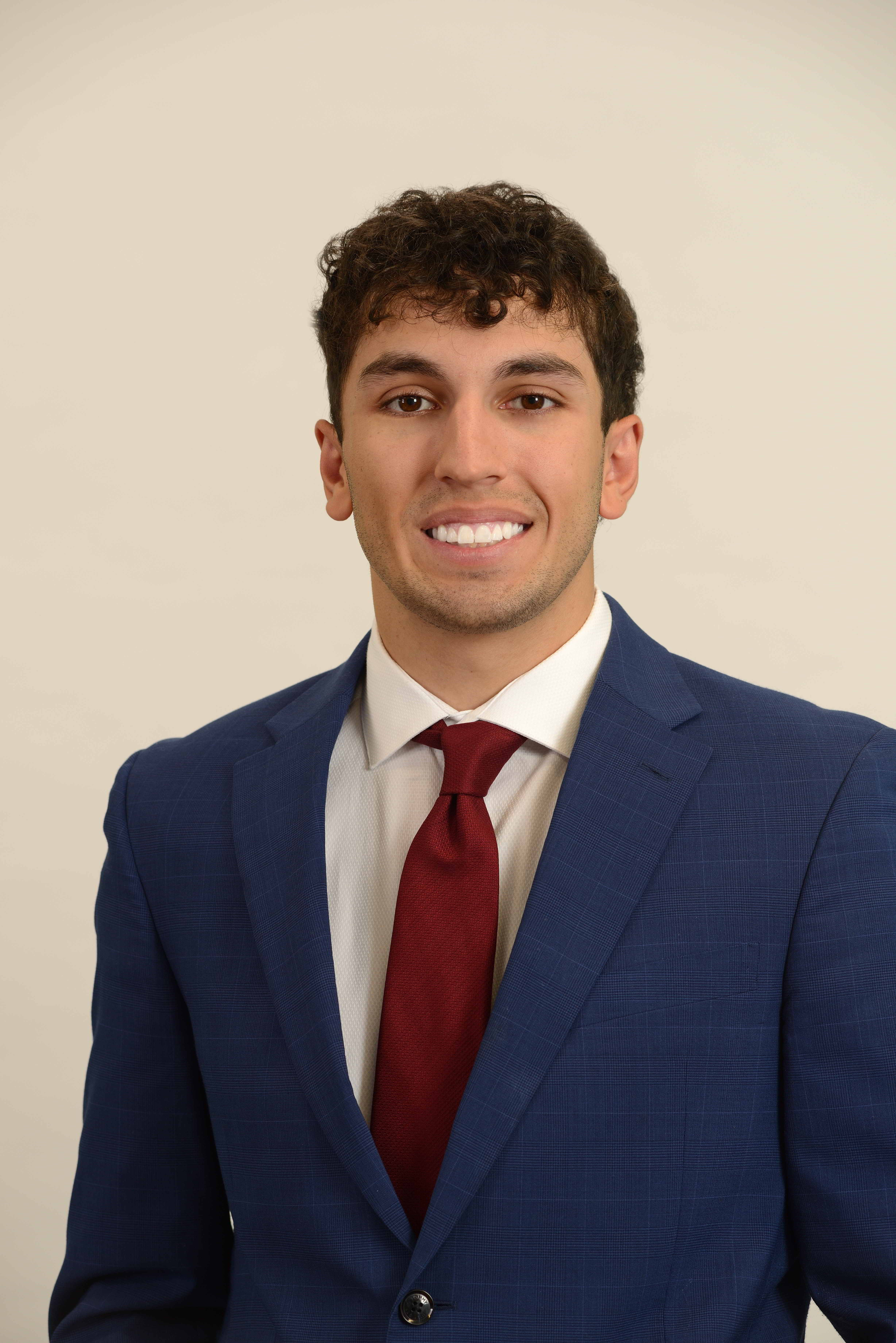
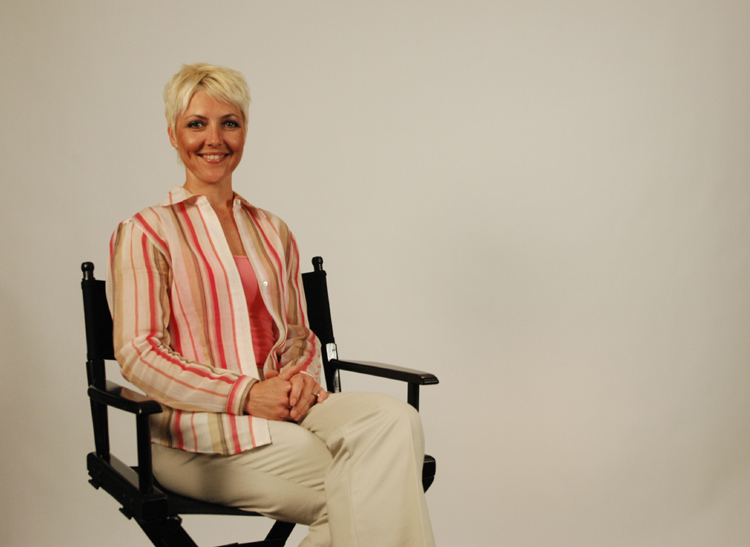
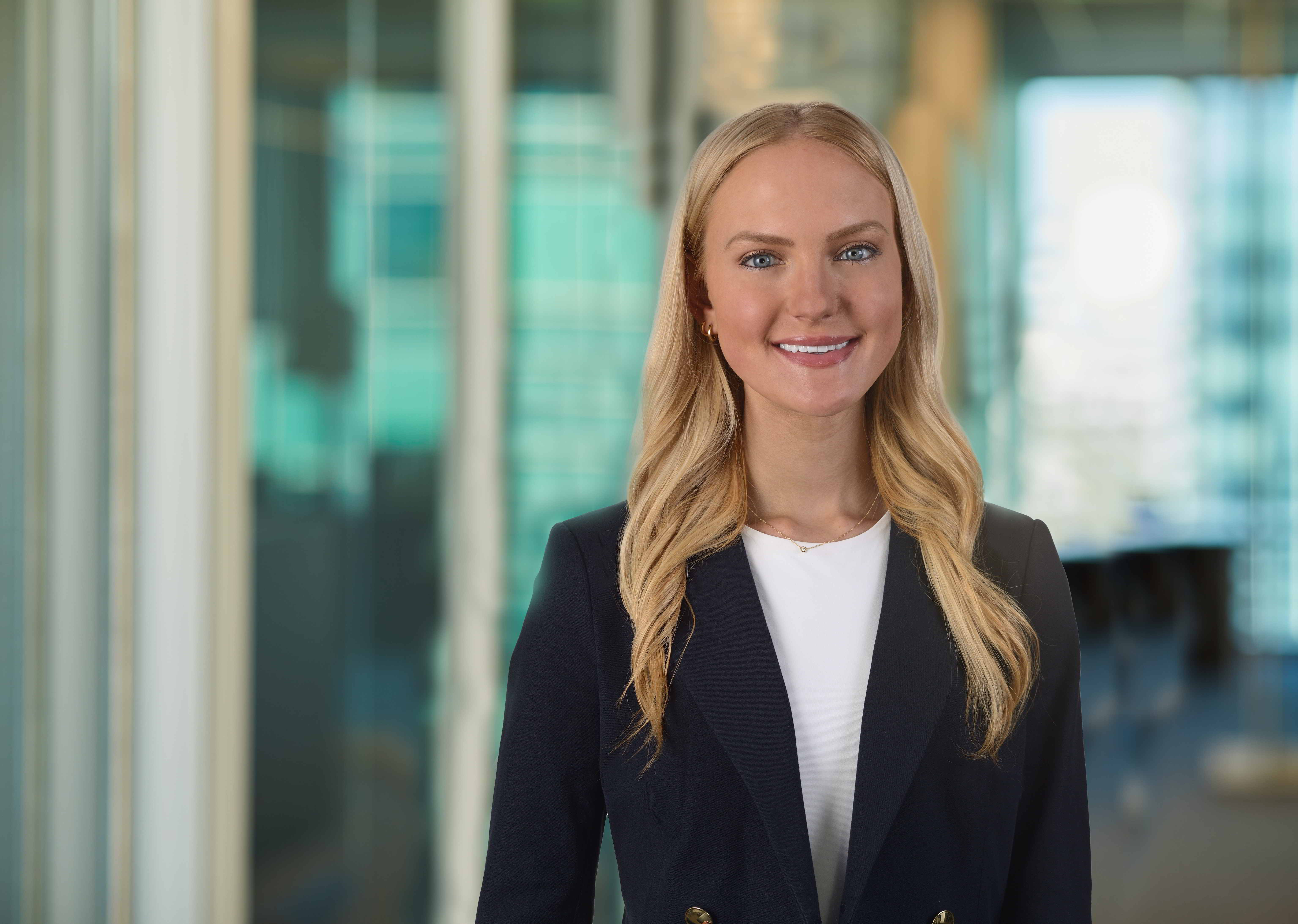
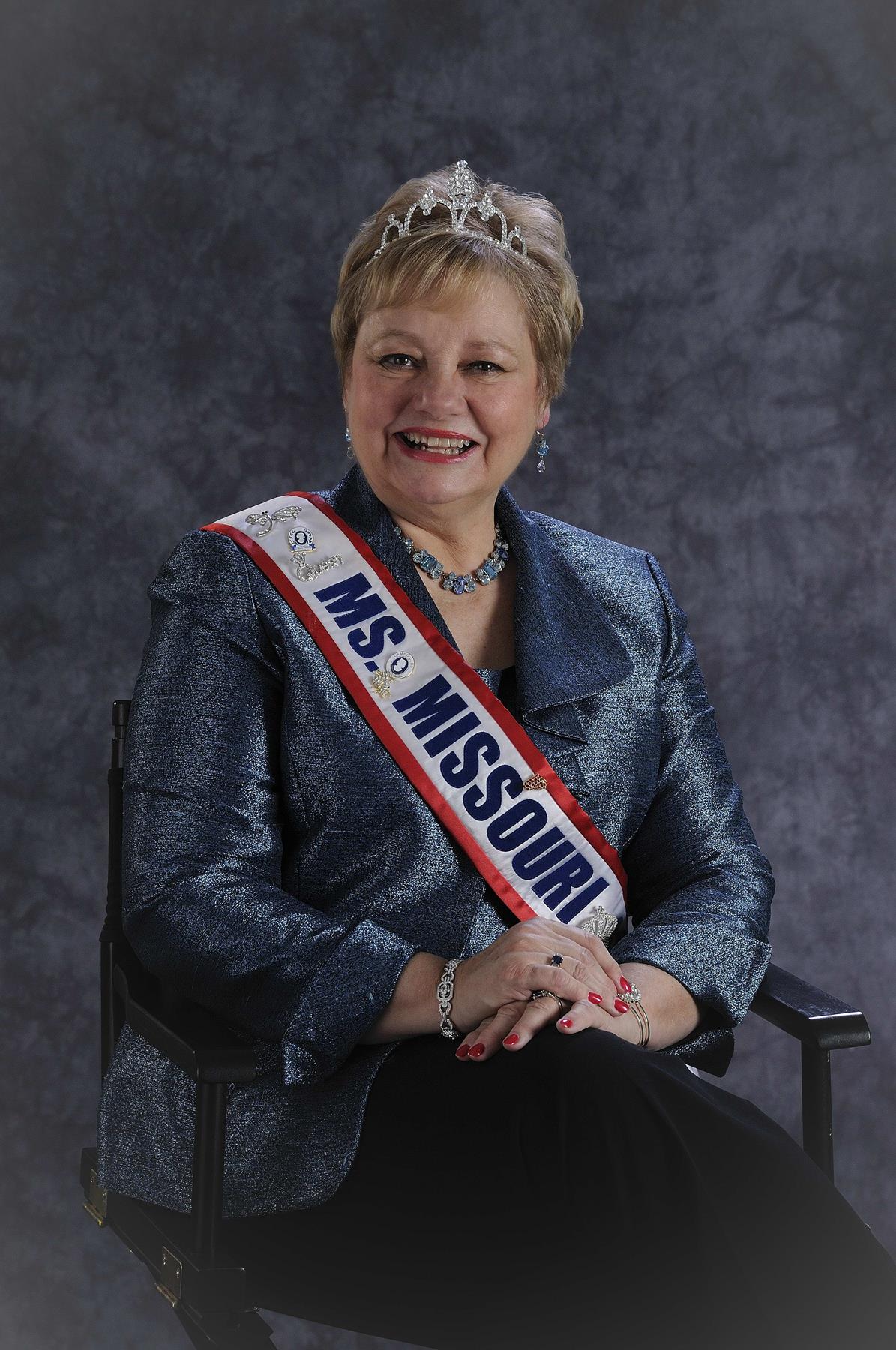
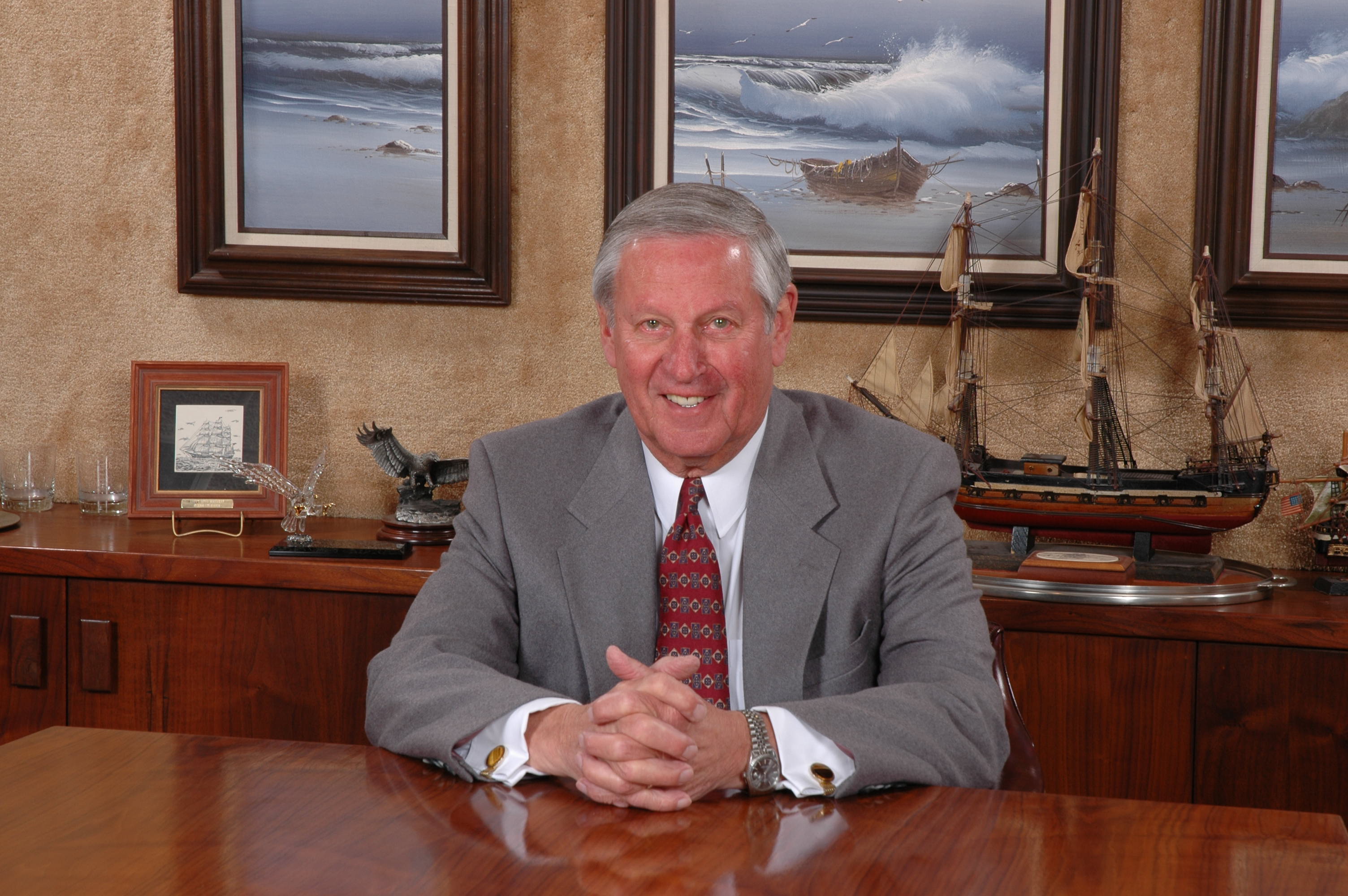
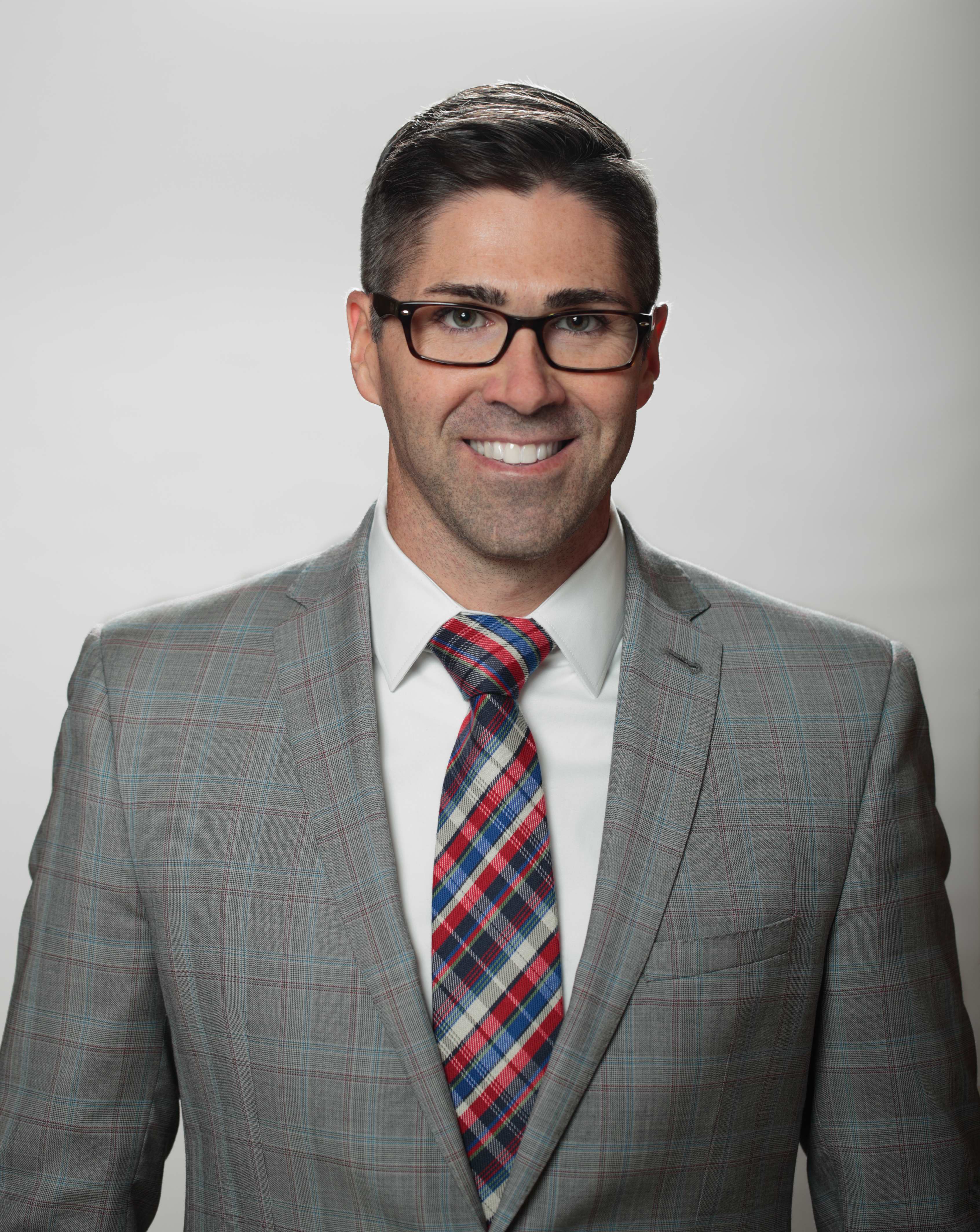
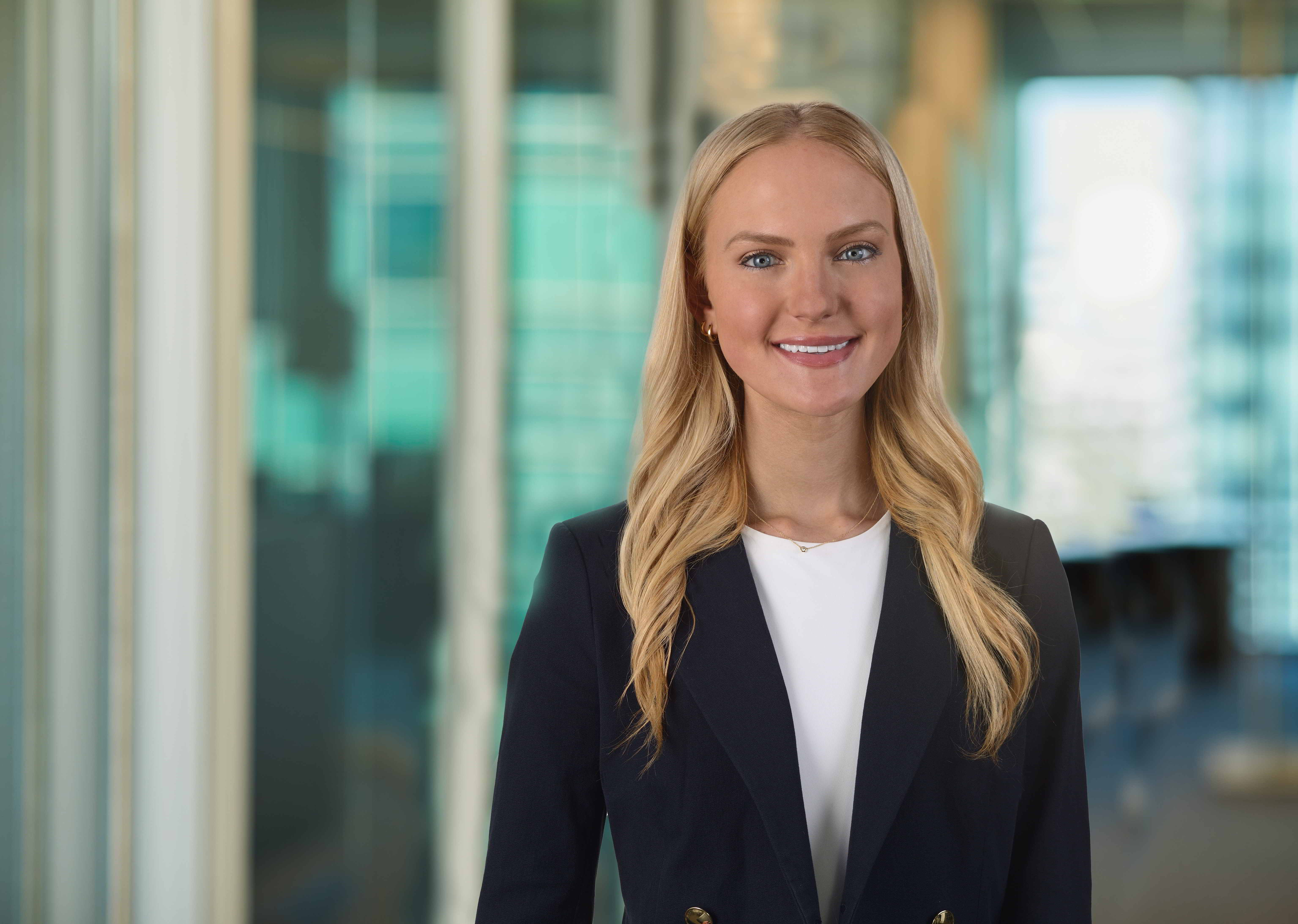
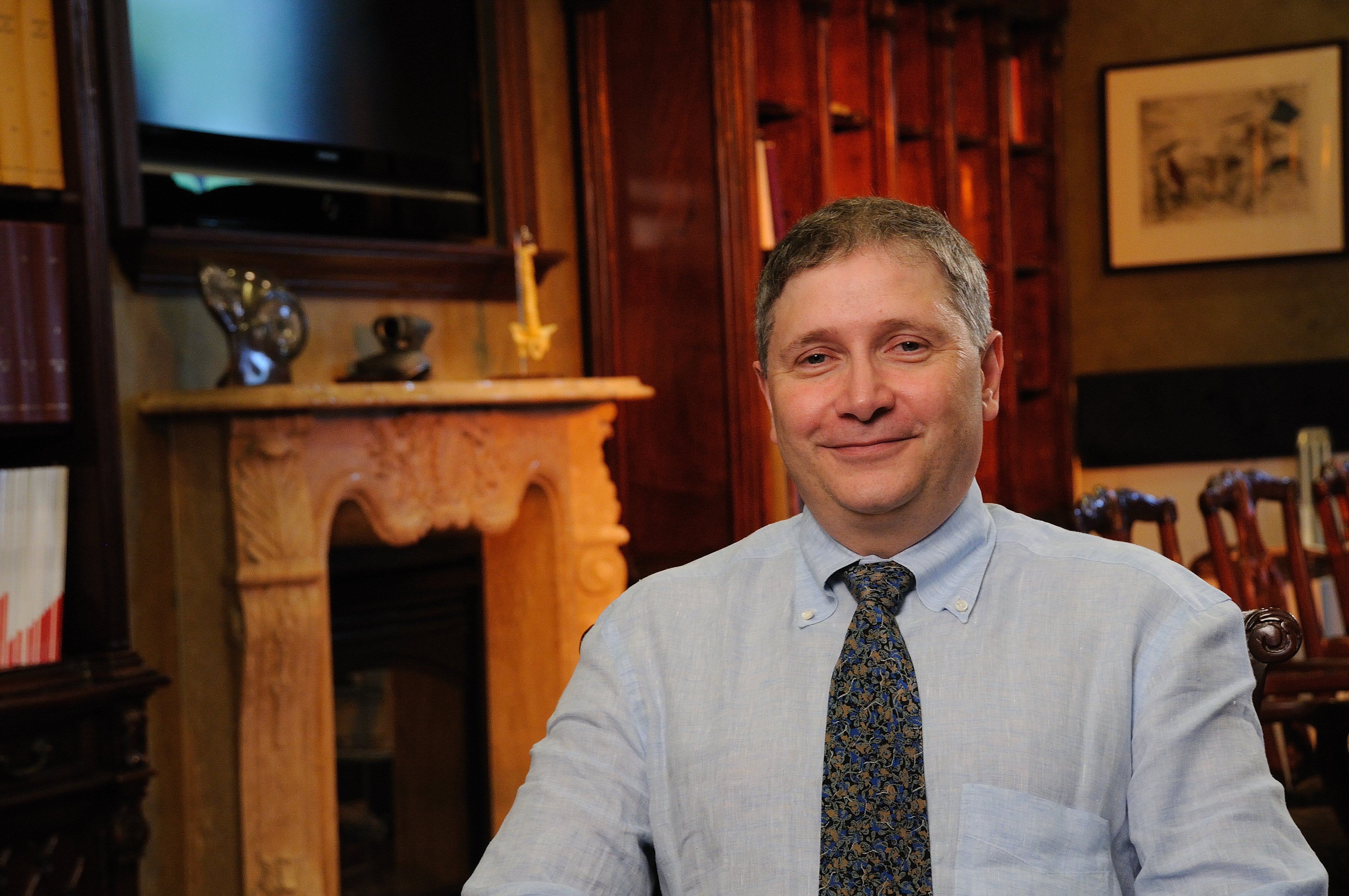
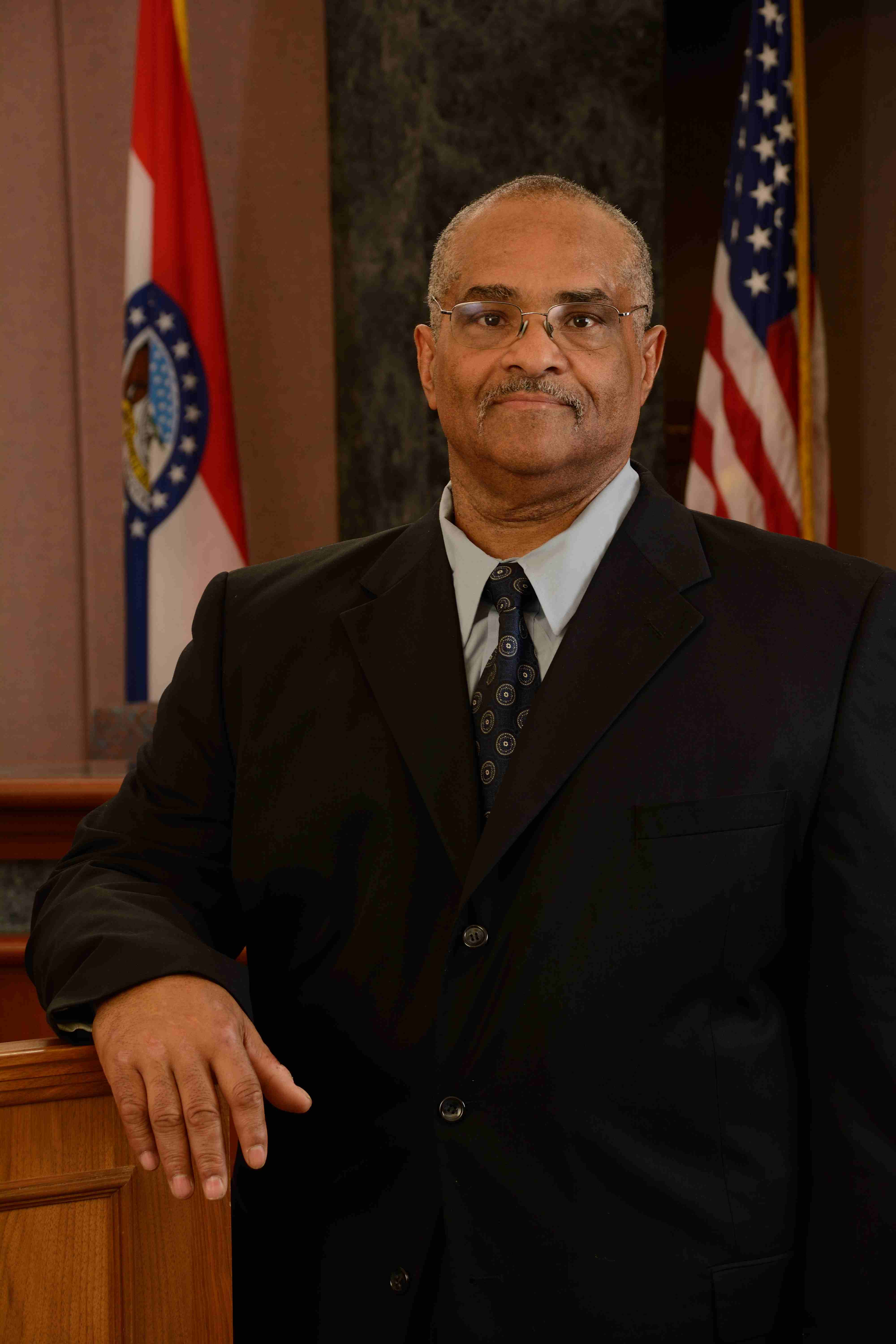
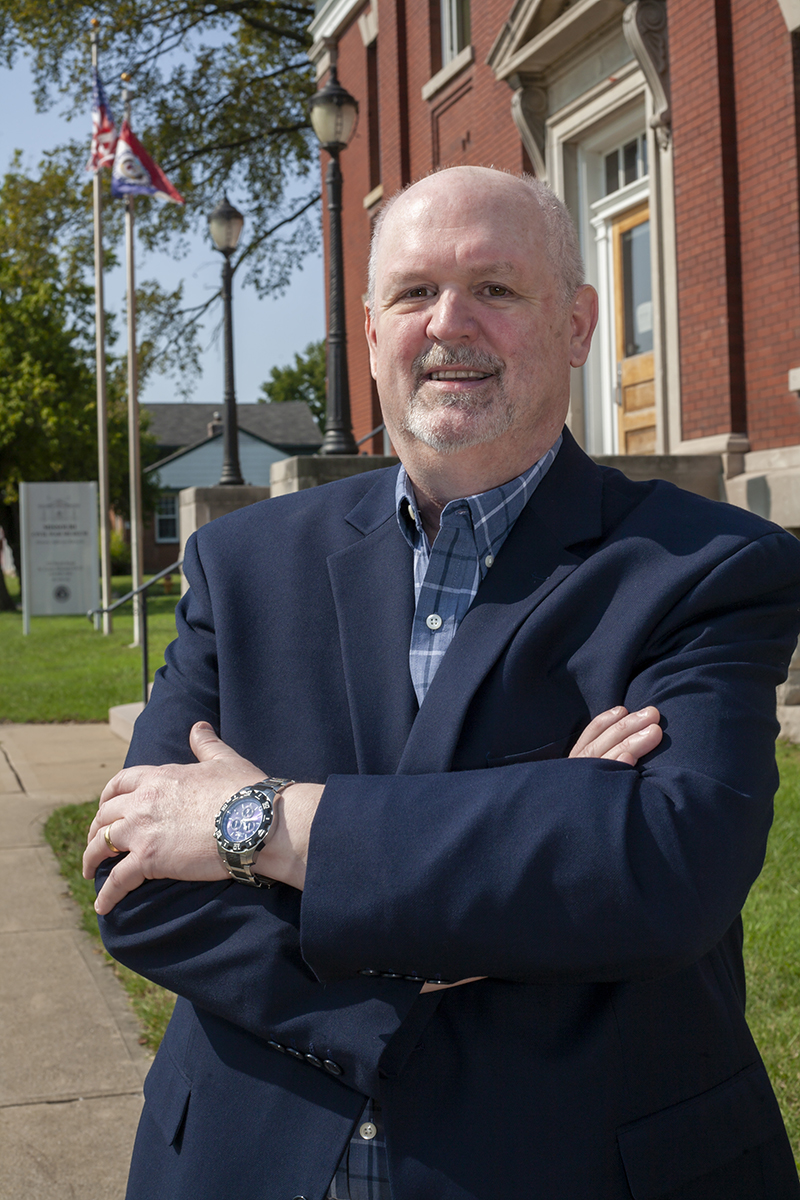
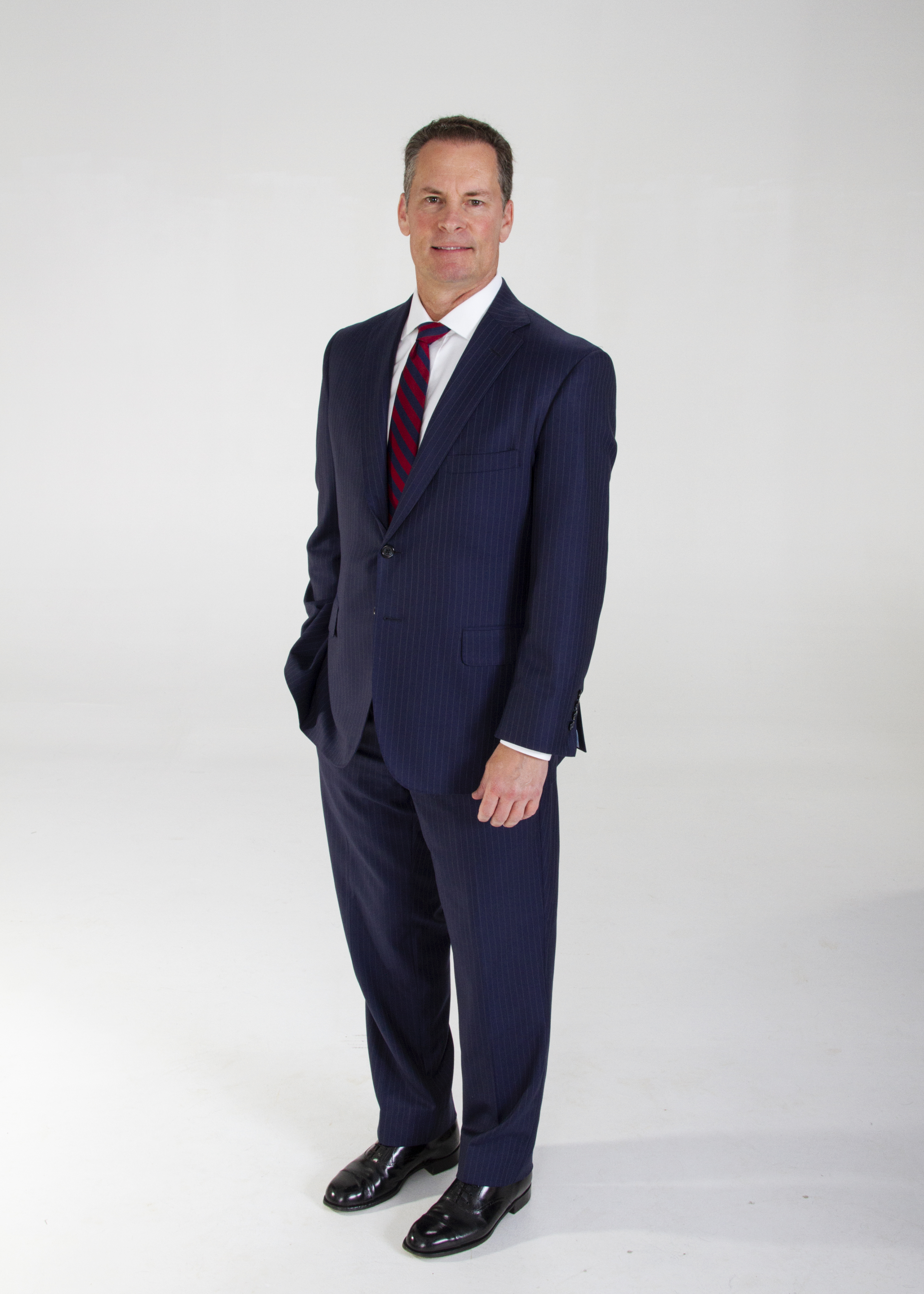
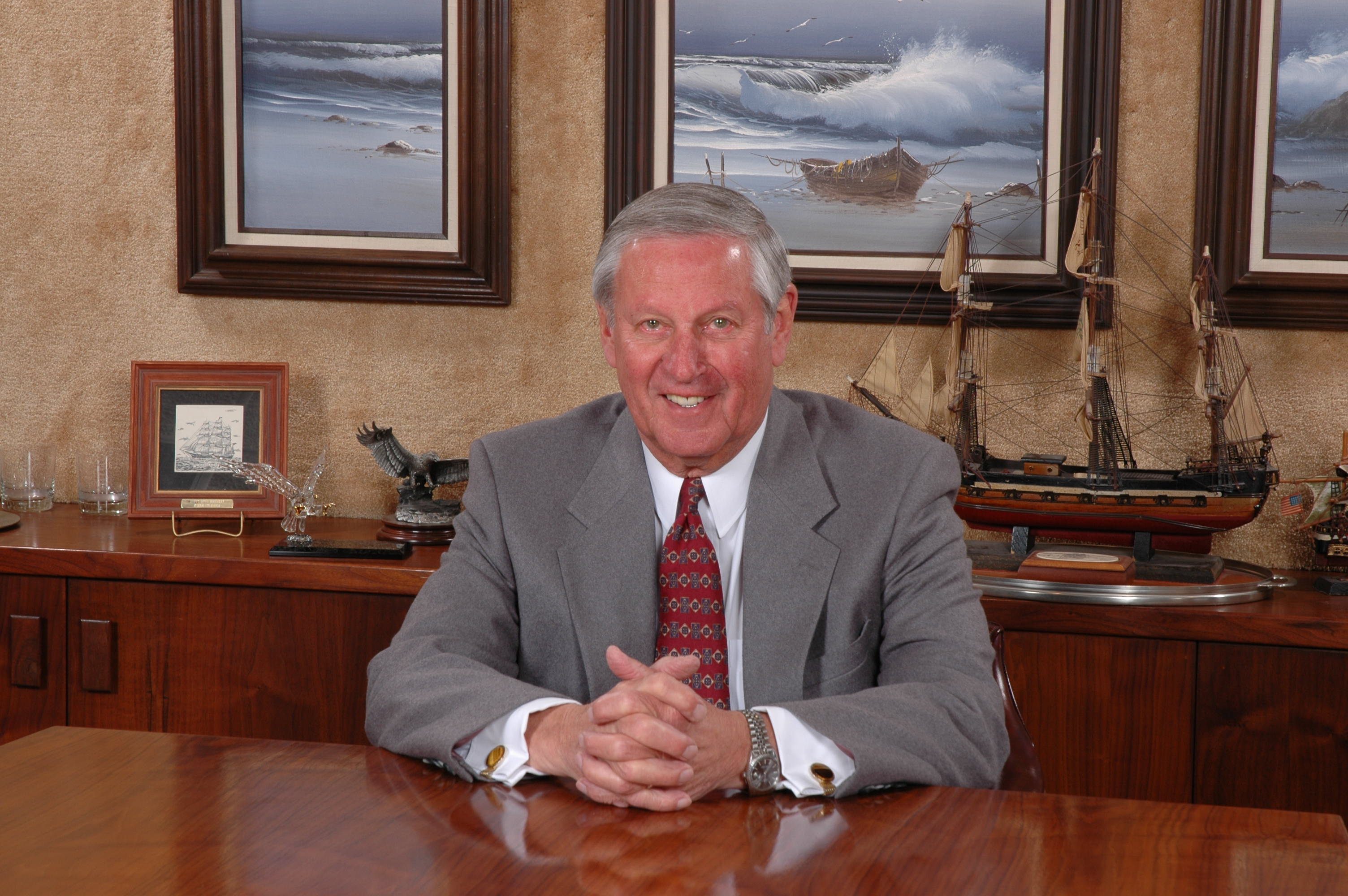
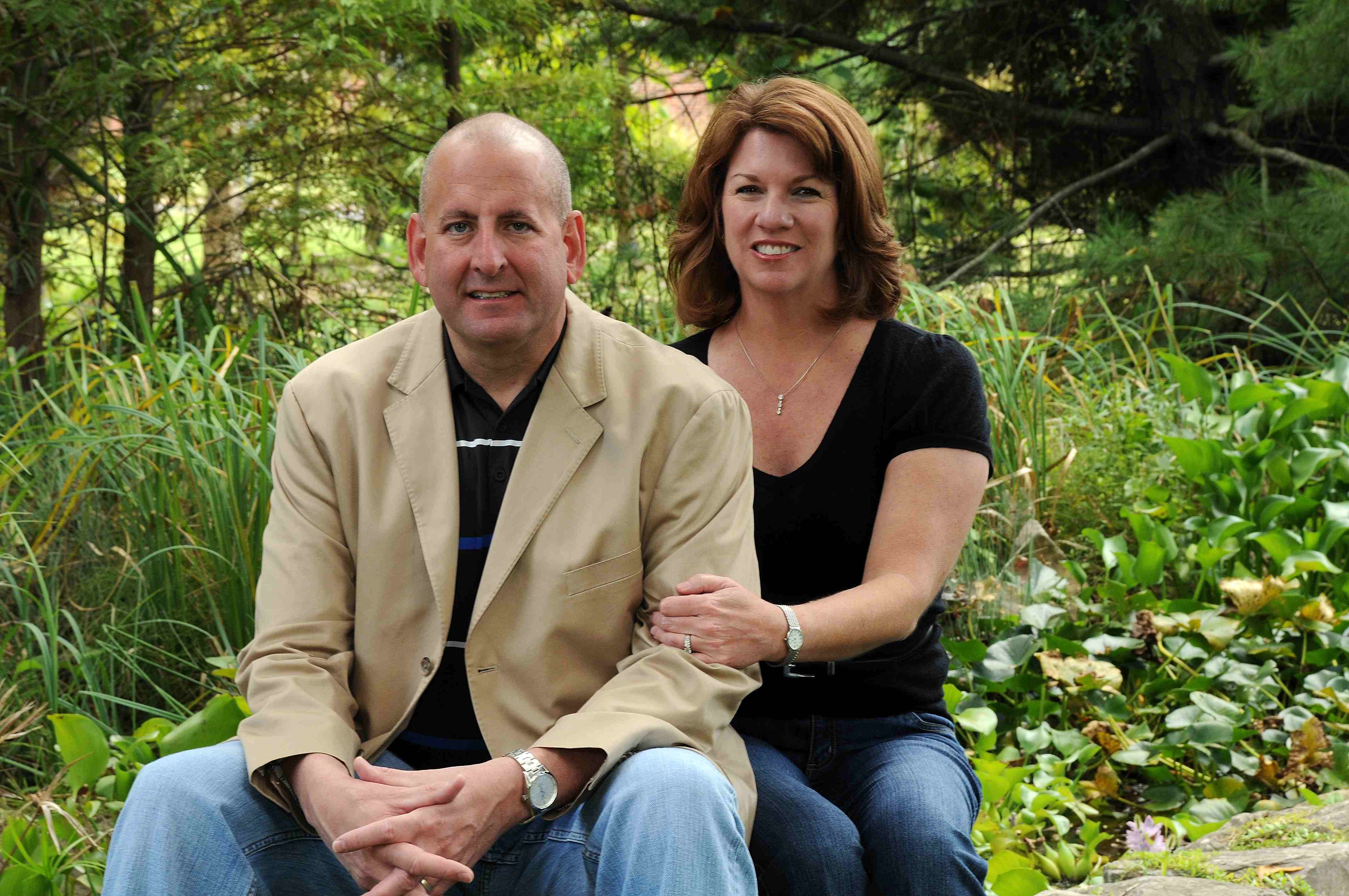
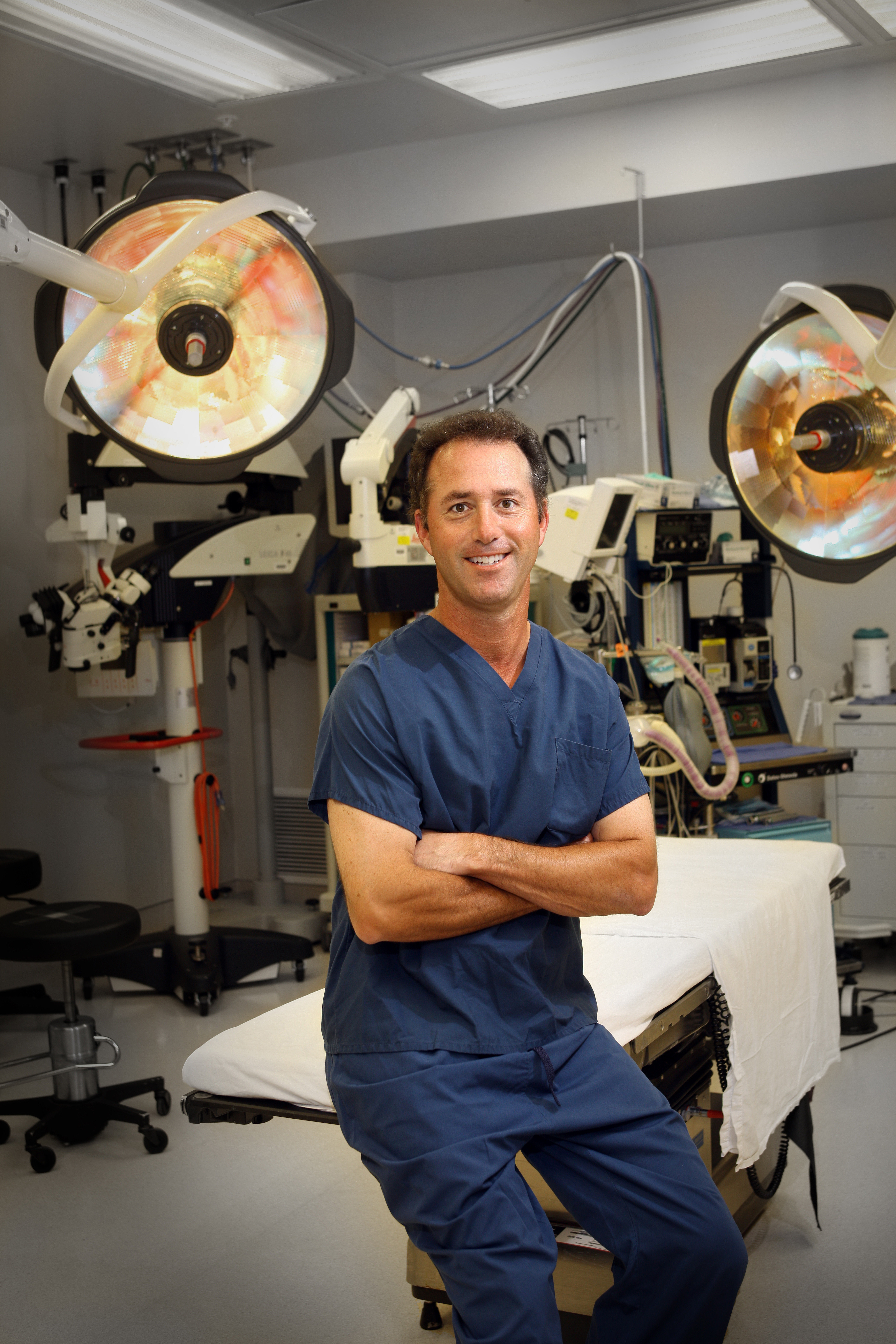
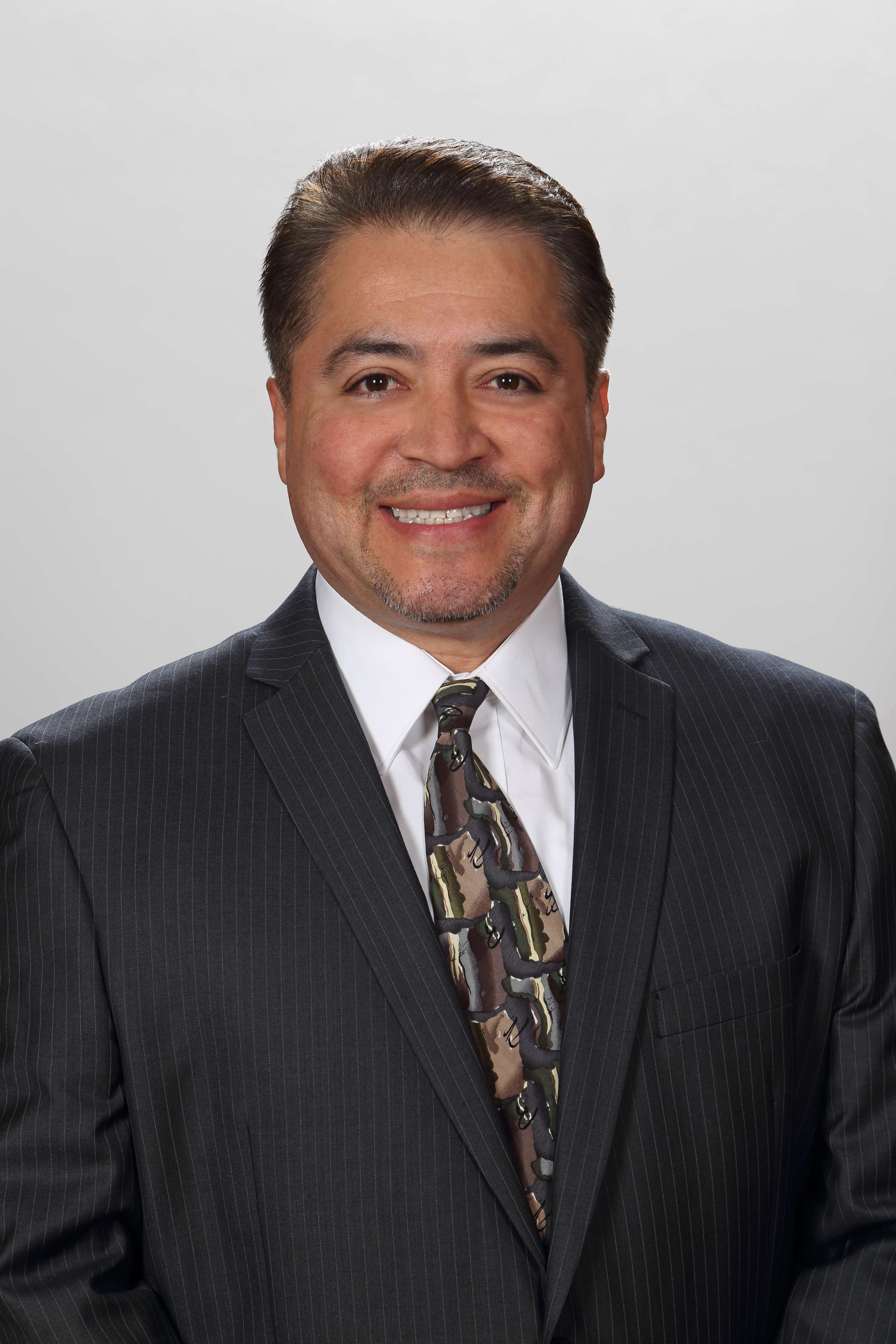
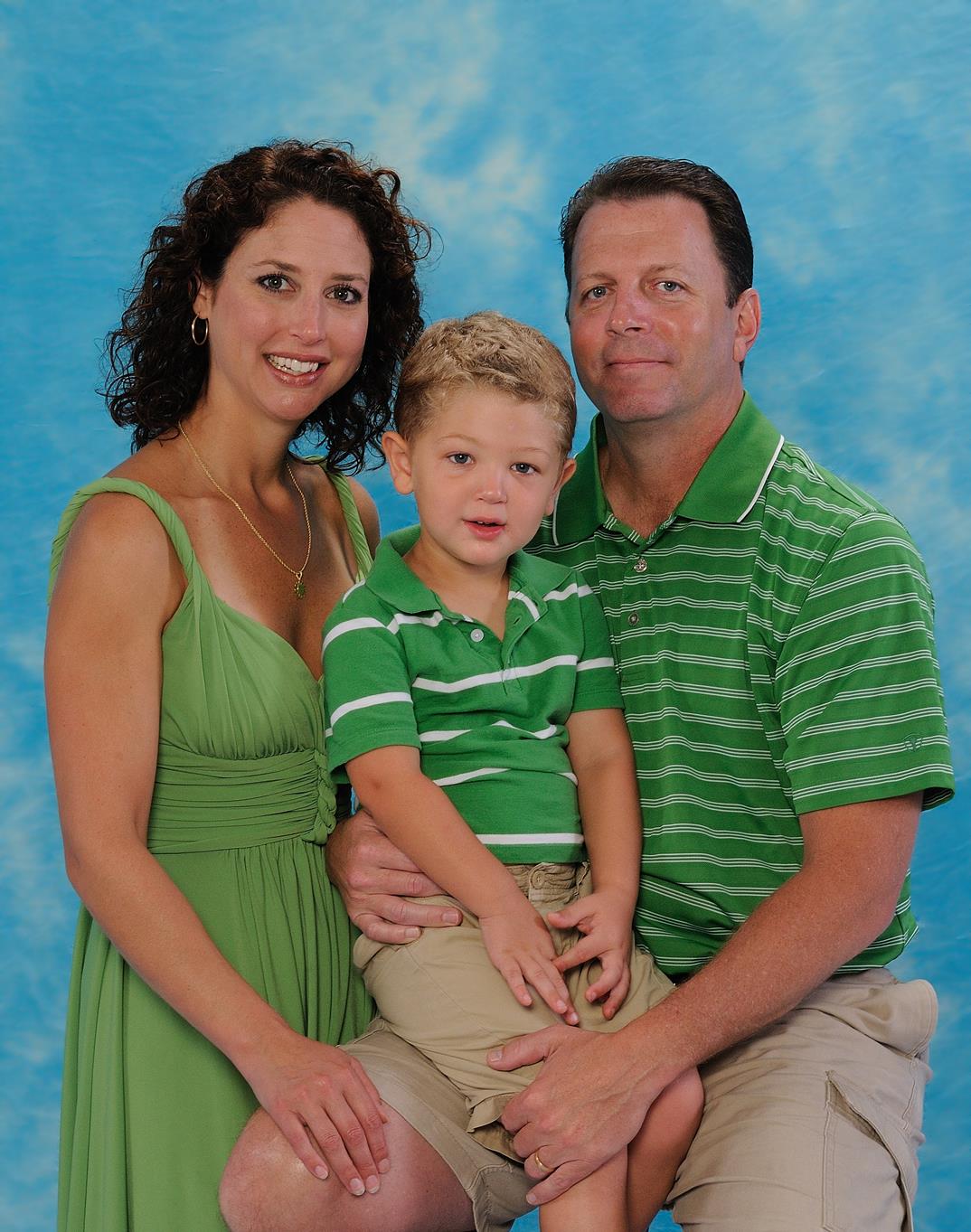
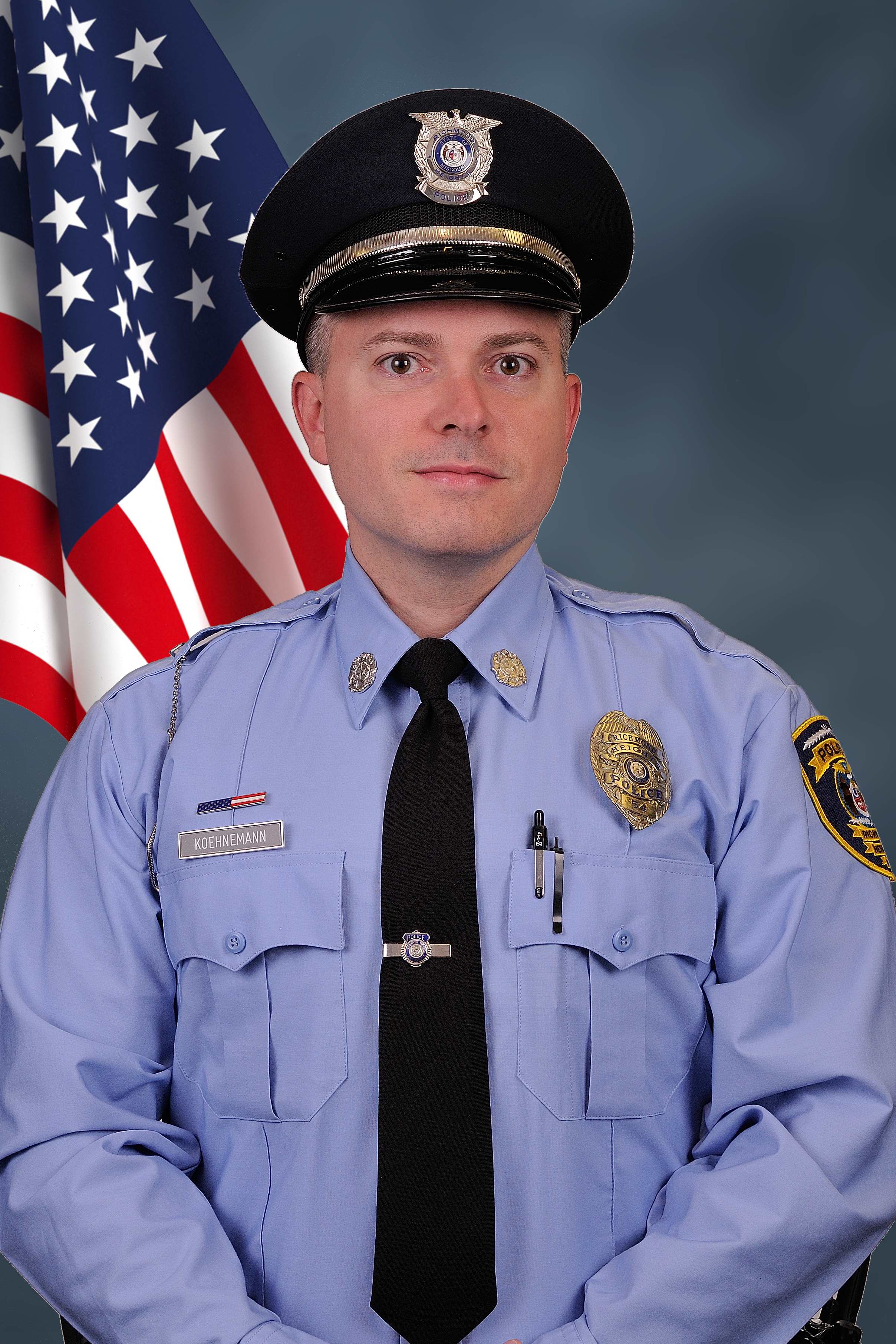
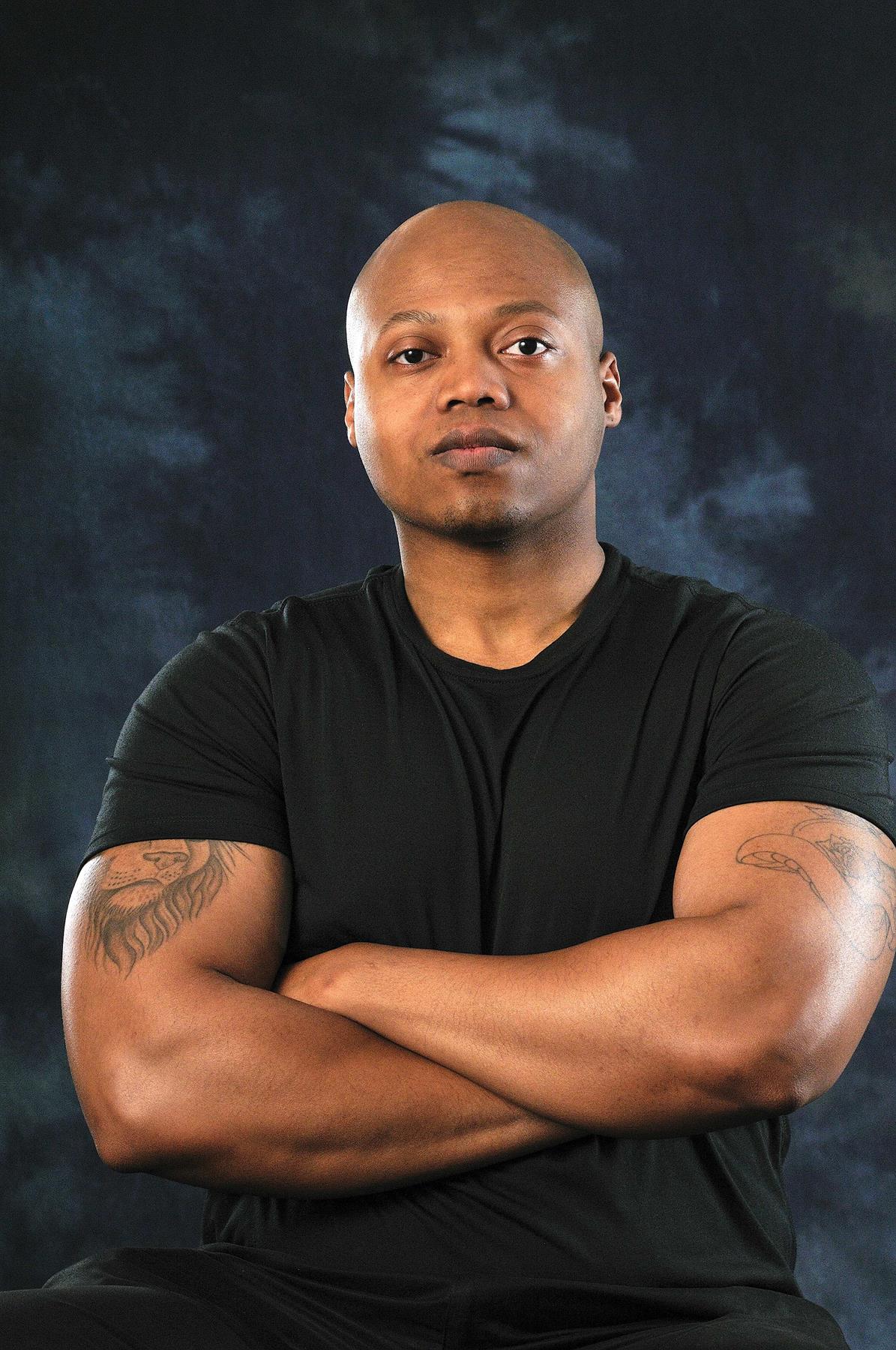
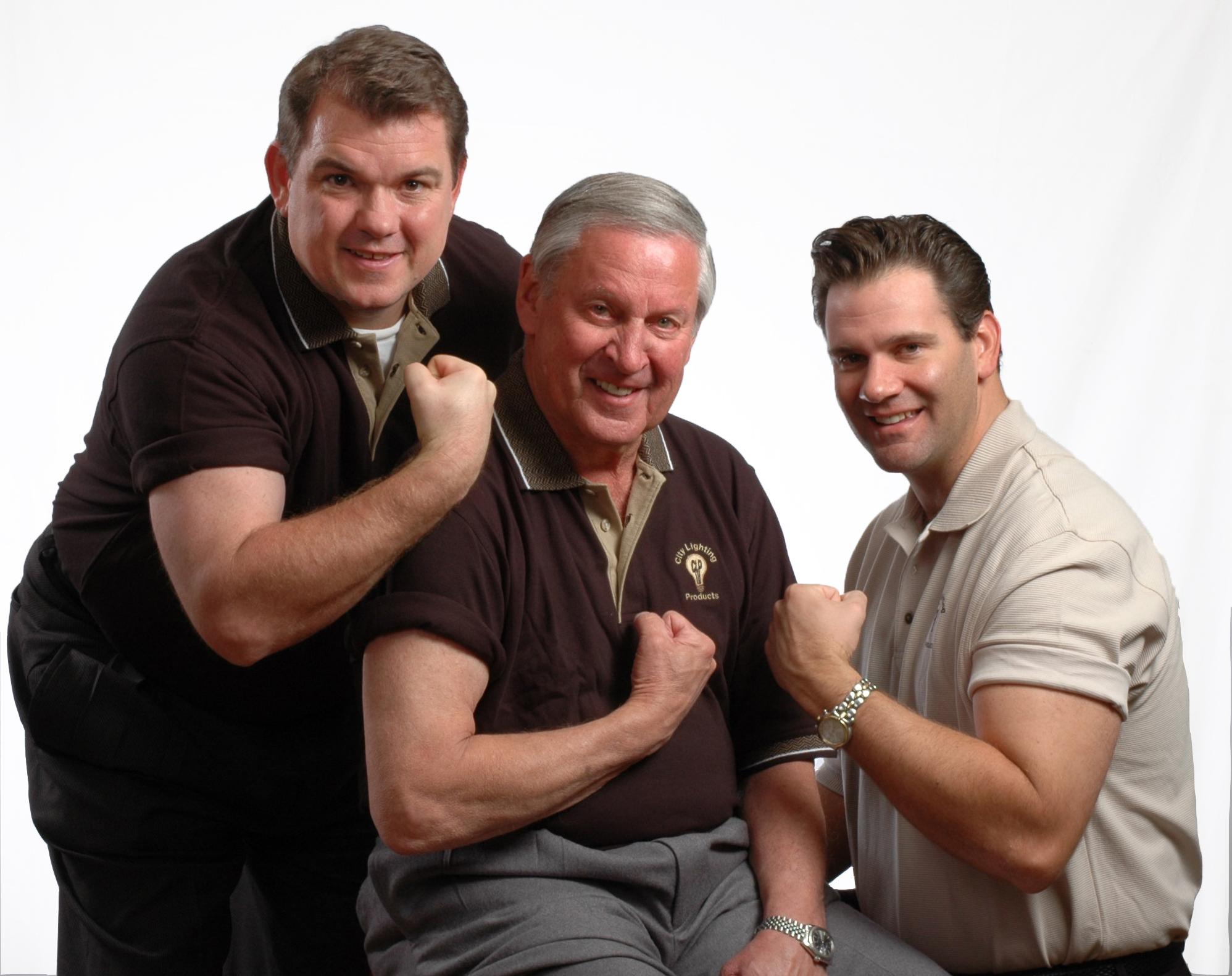
Corporate Headshots and Executive Portraits
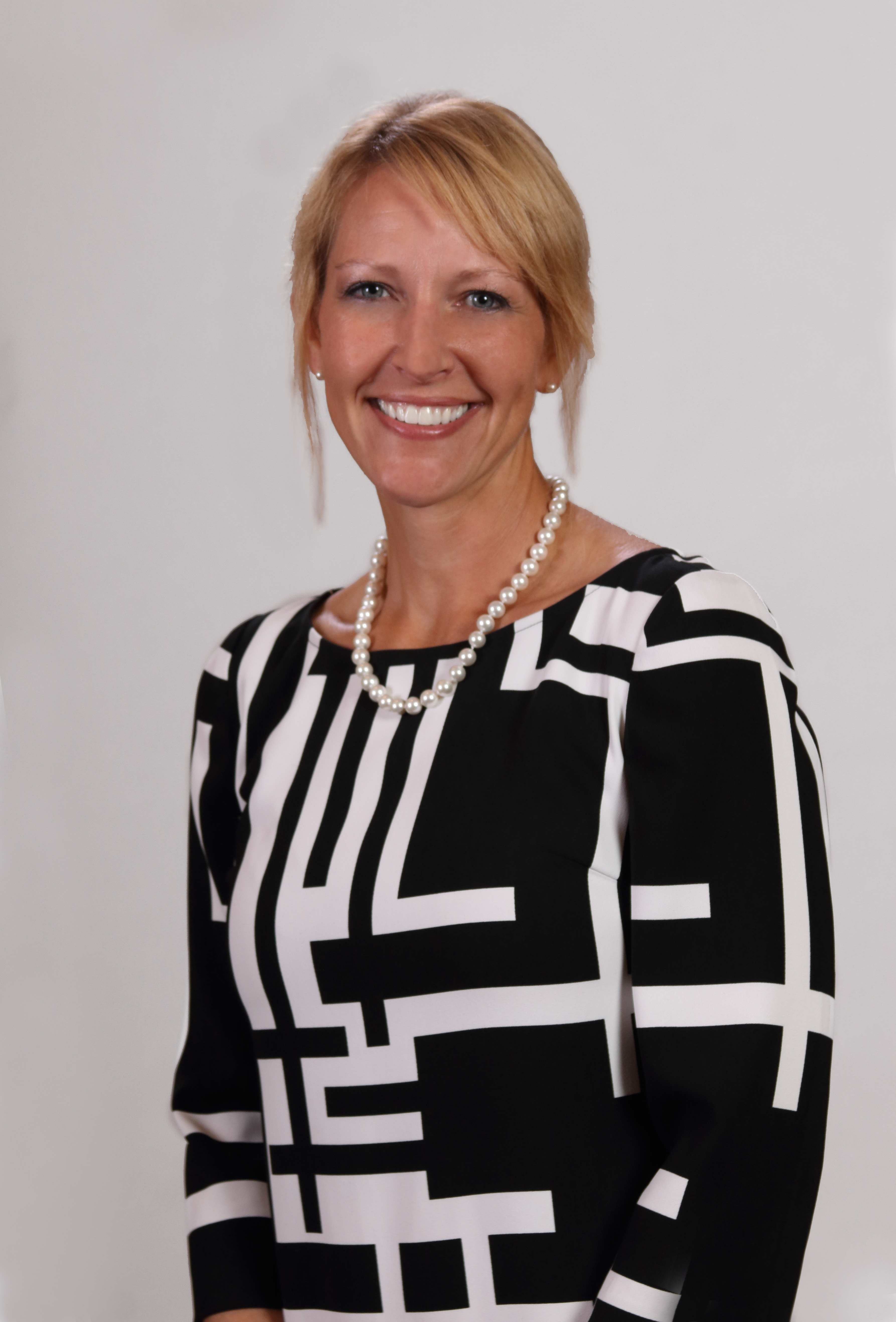
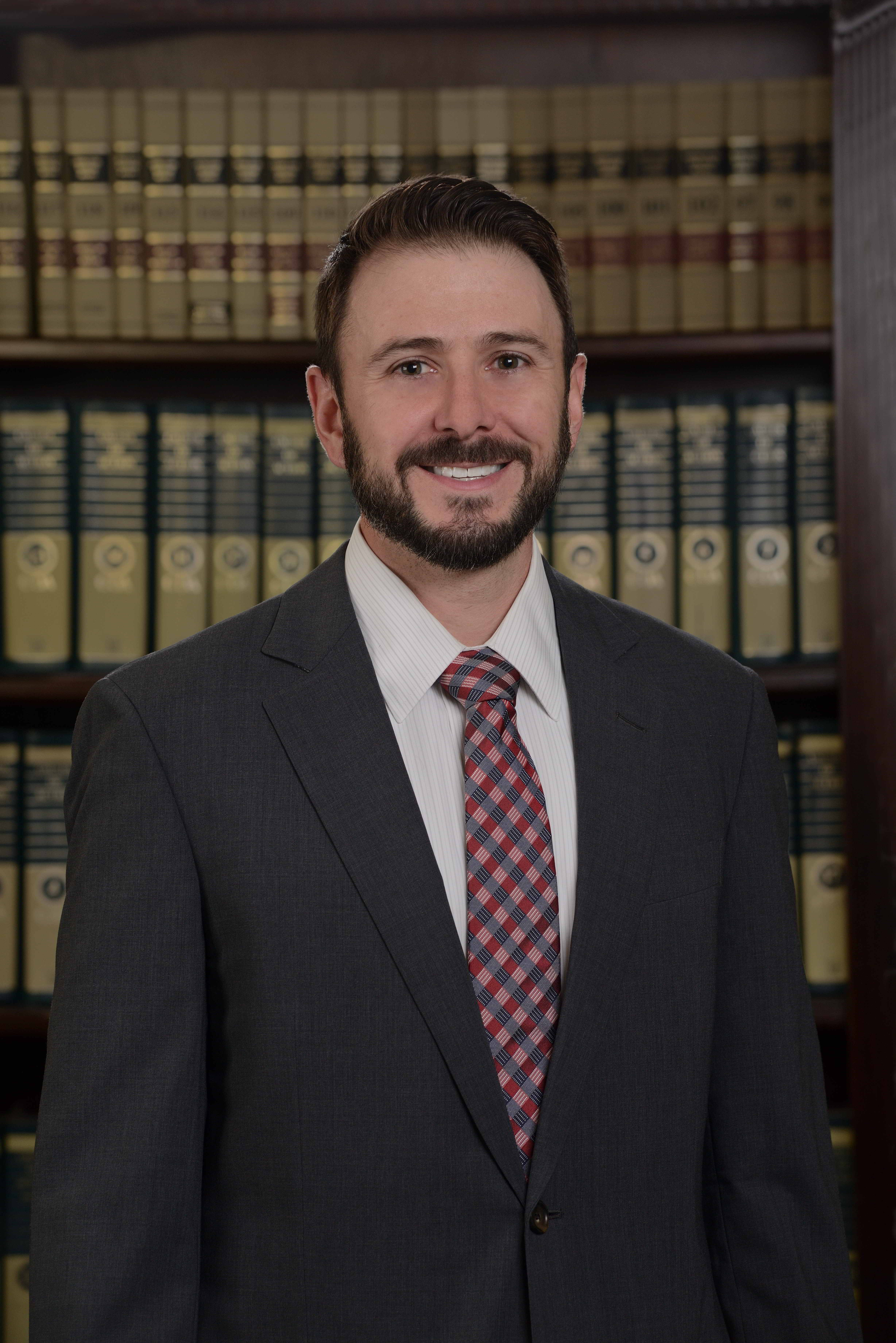
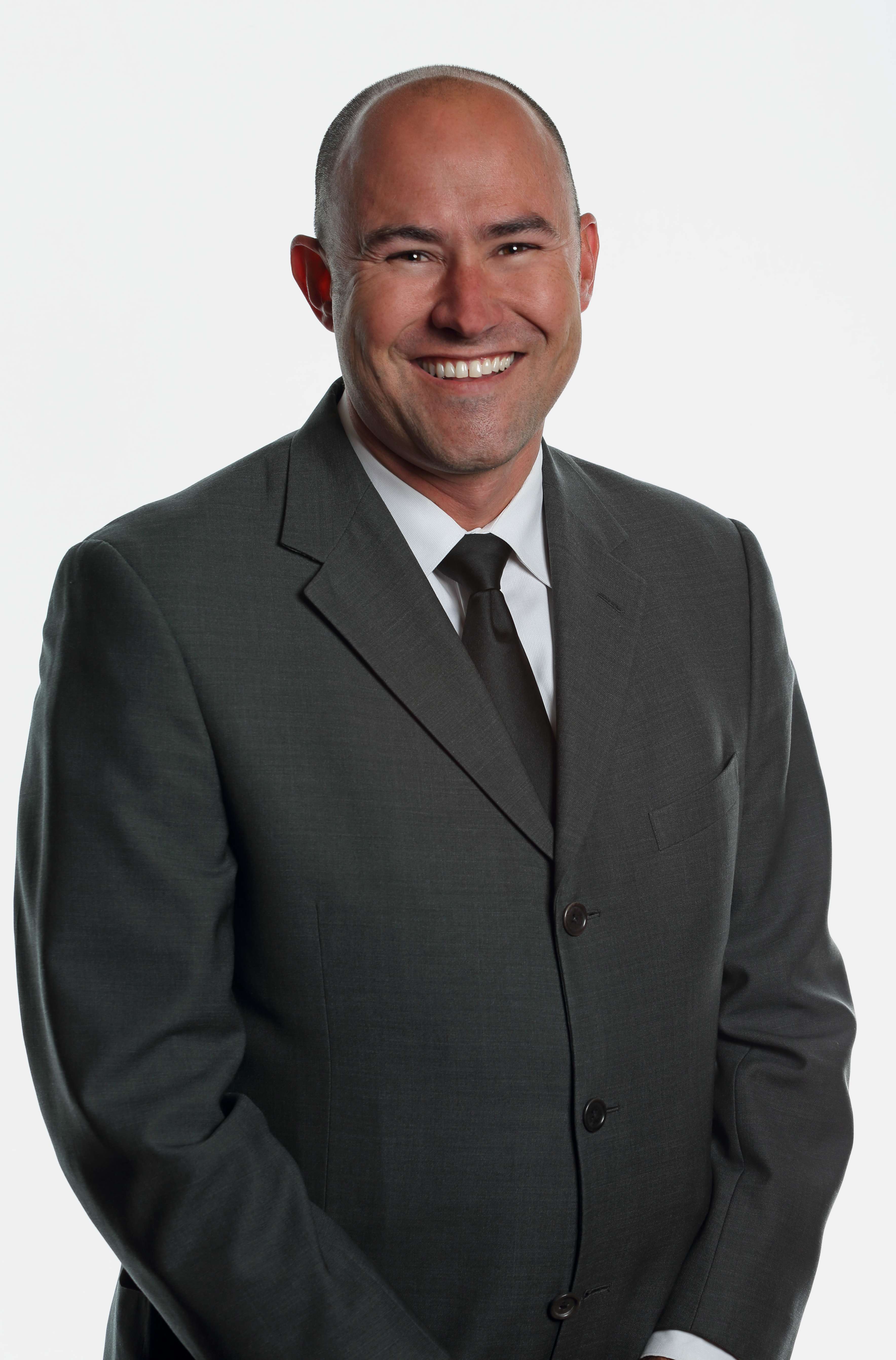
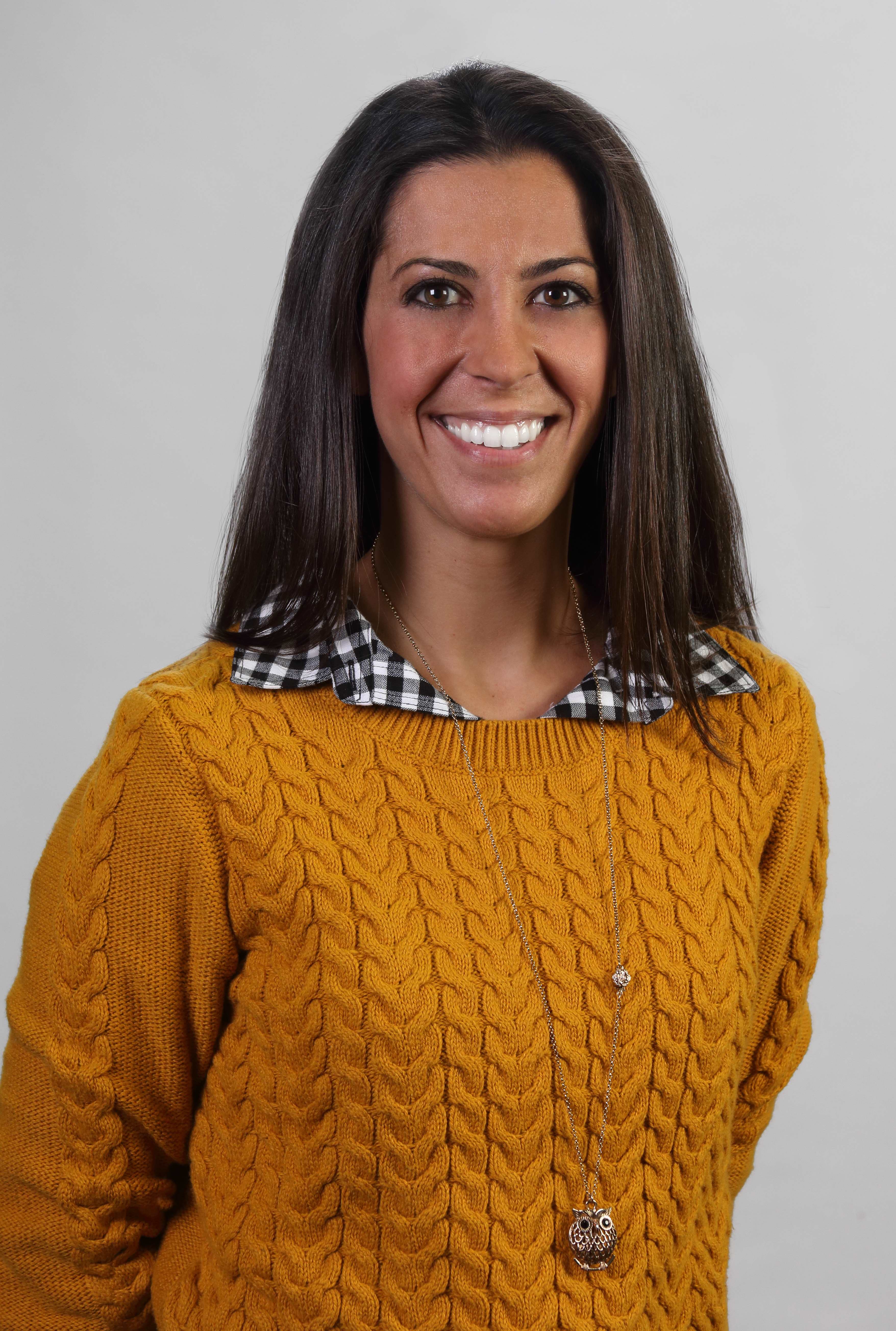
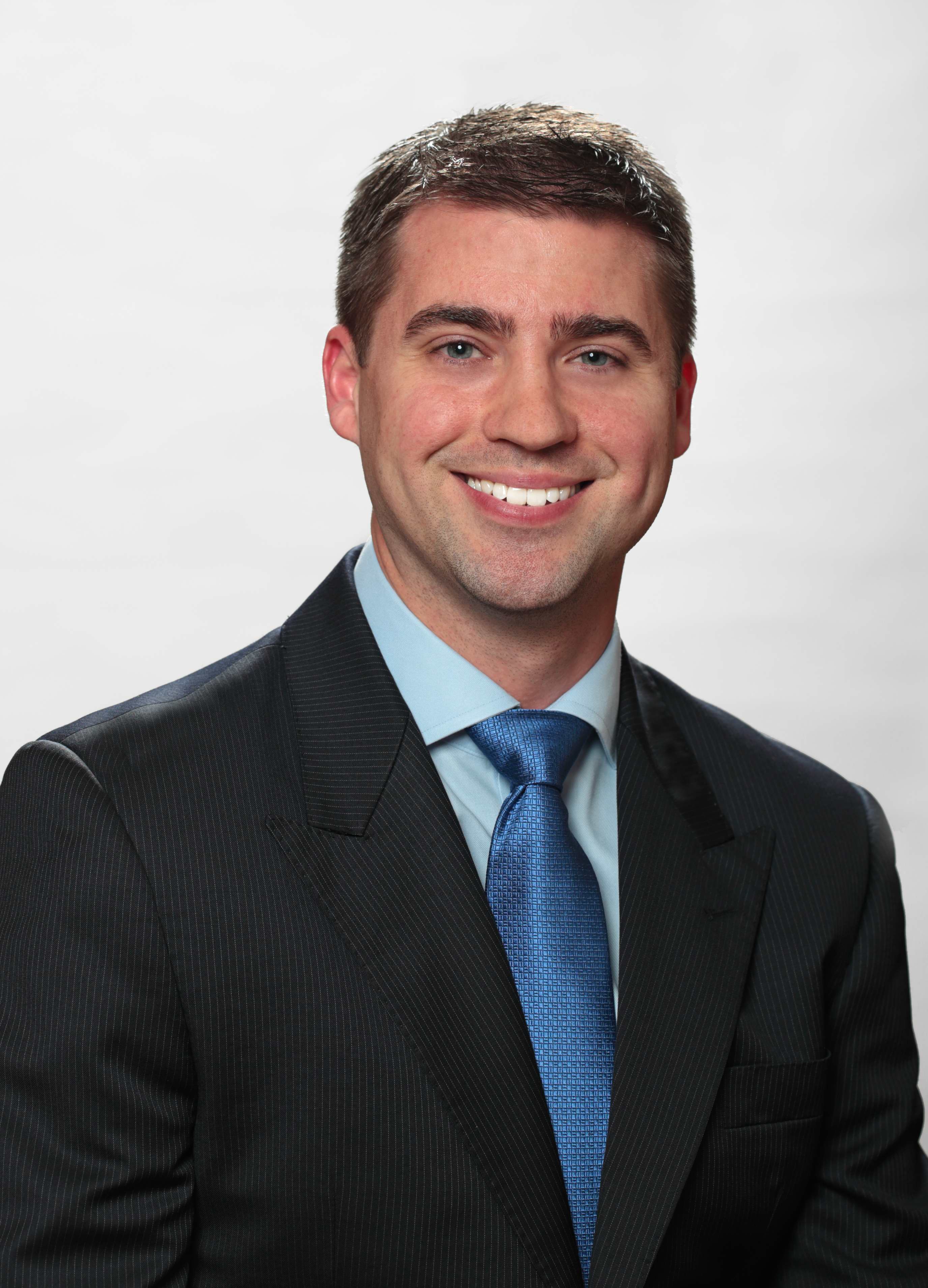
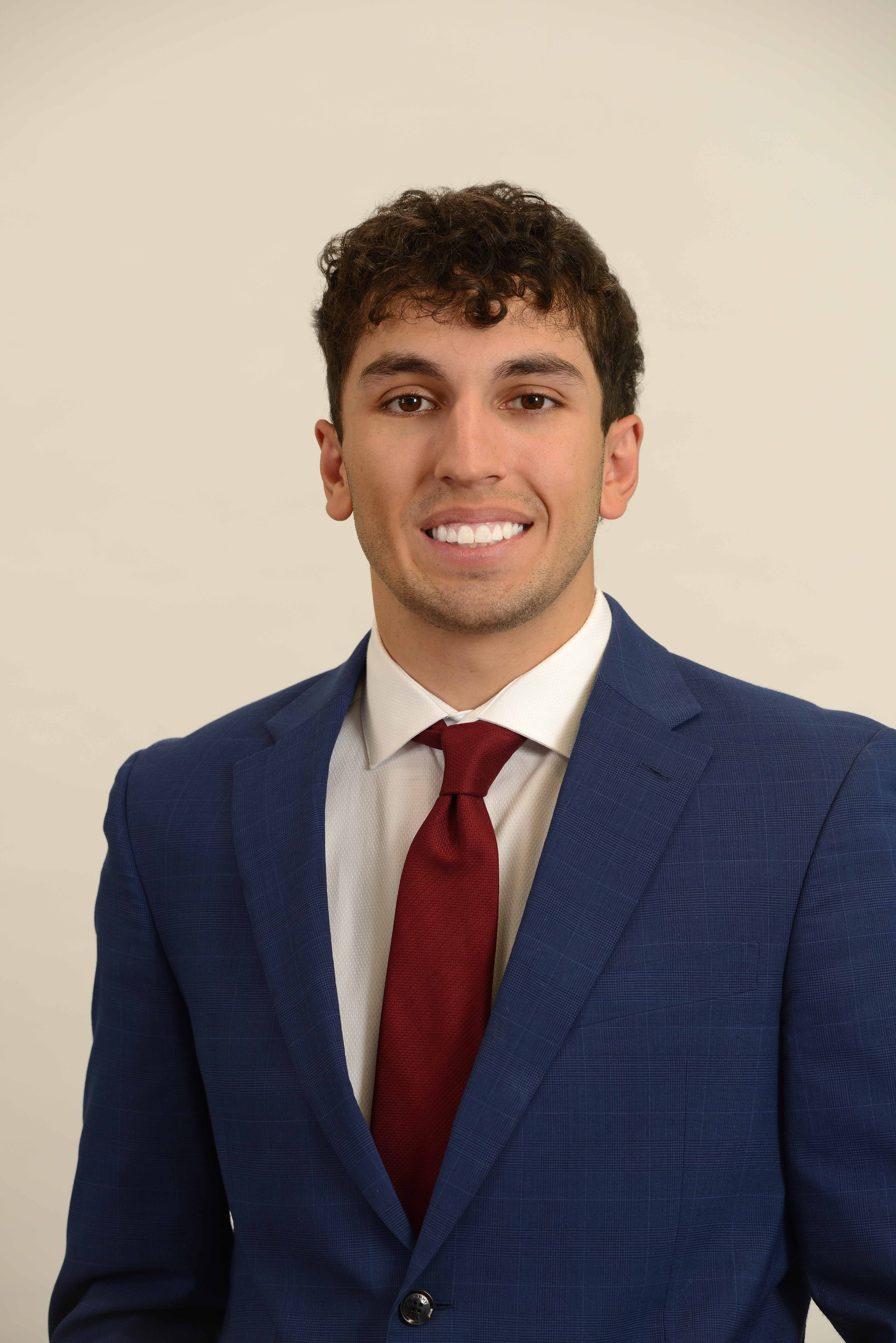
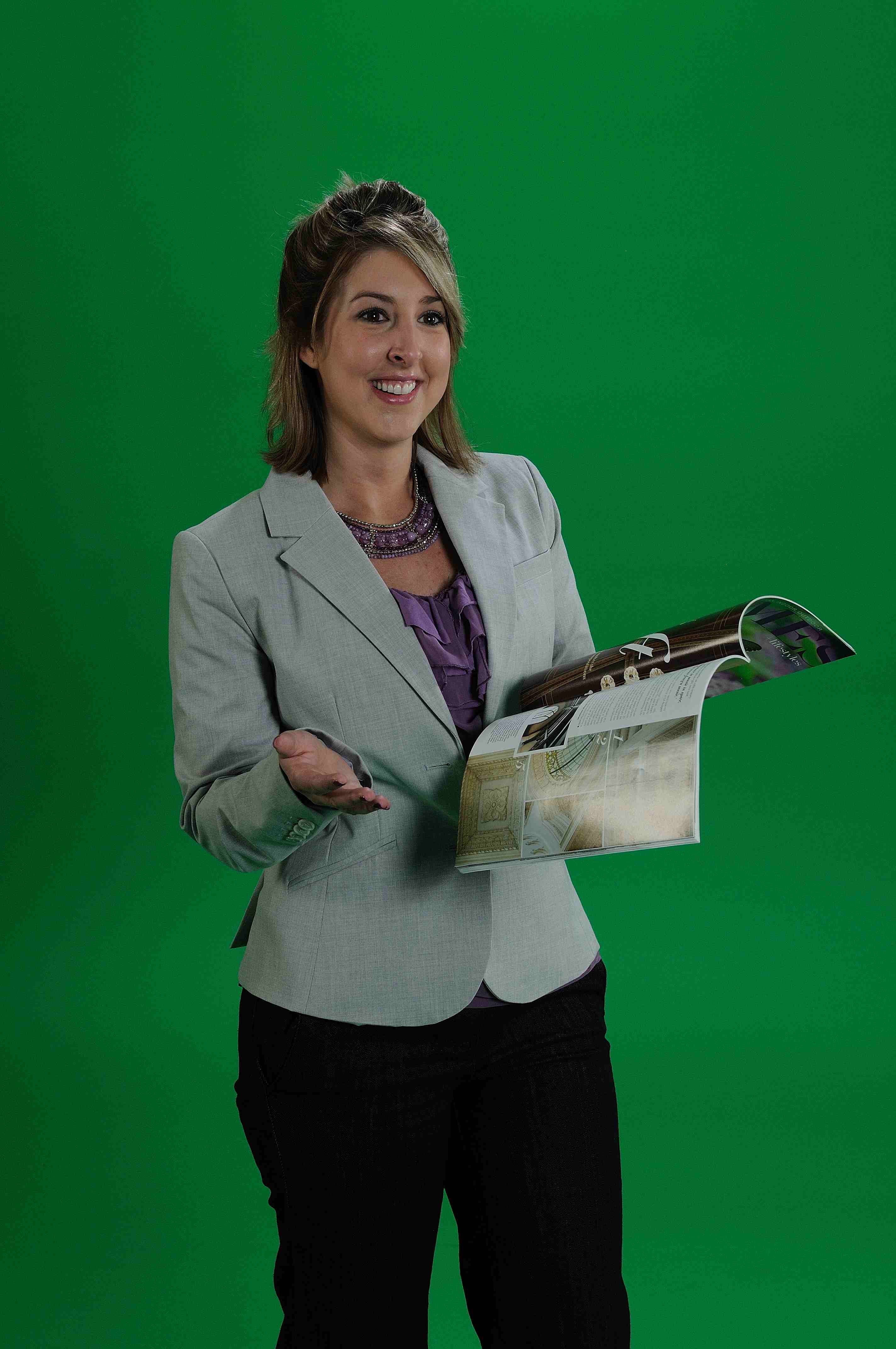
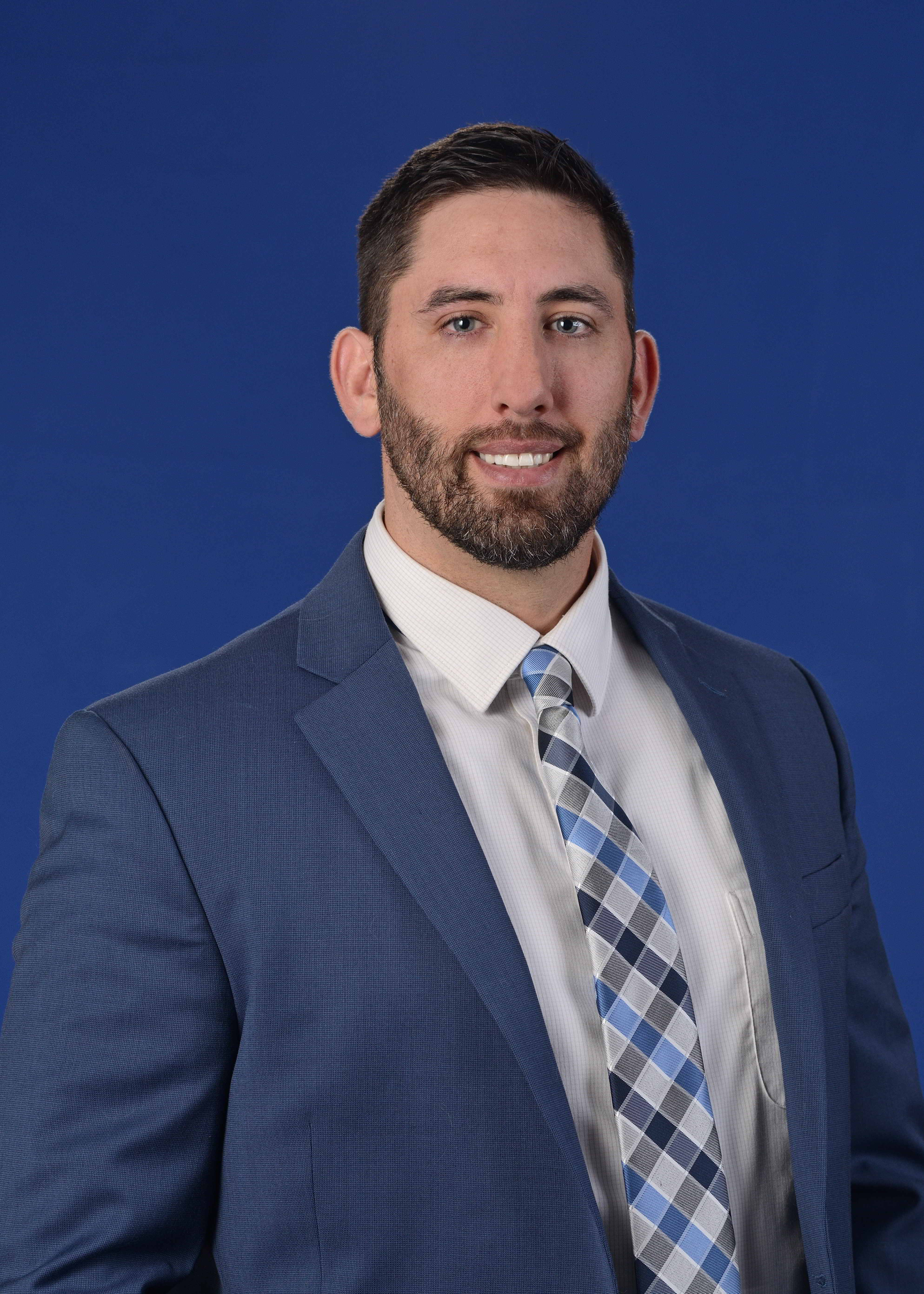
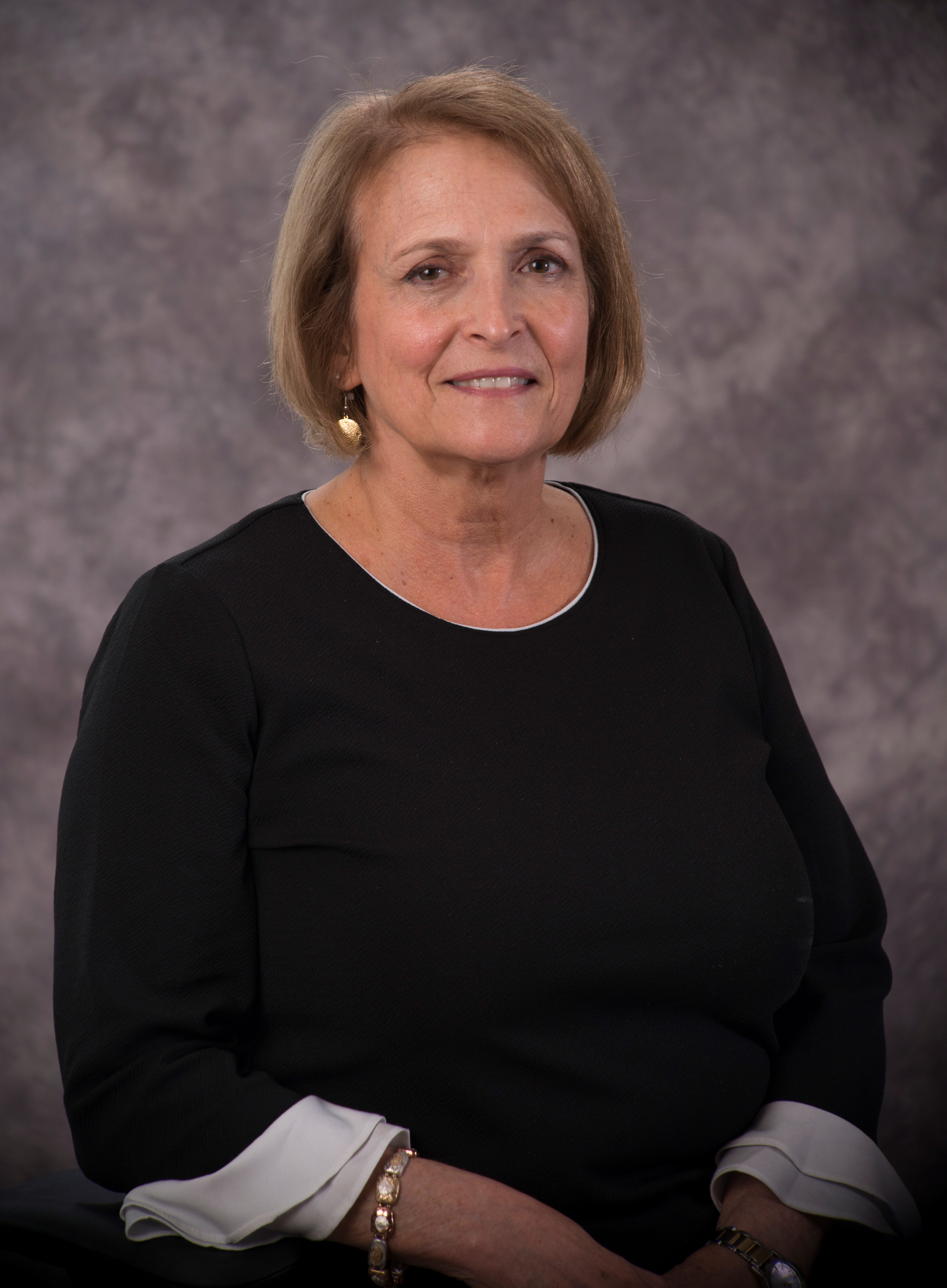
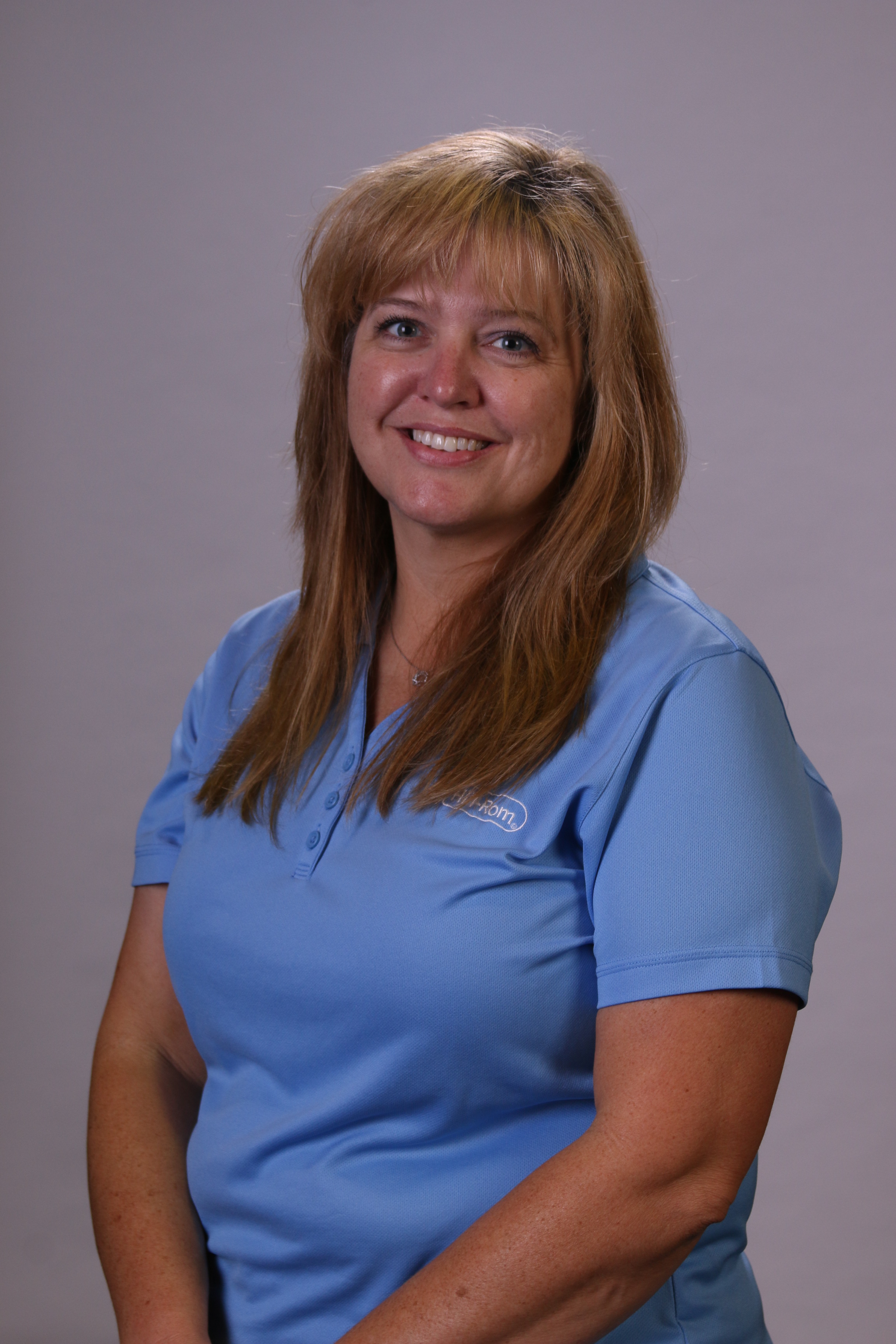
Professional business portraits are essential for company websites, leadership biographies, professional networking, public relations, recruitment, and corporate communications.
A well-executed portrait should convey confidence, approachability, credibility, and professionalism.
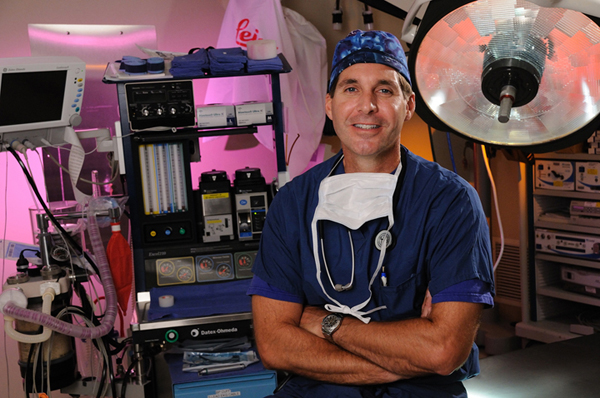
Experienced portrait photographers understand how lighting angles, focal length, subject positioning, and subtle direction influence the appearance and personality of the subject.
An organized studio session can provide a consistent portrait style across an entire organization while accommodating individual preferences.
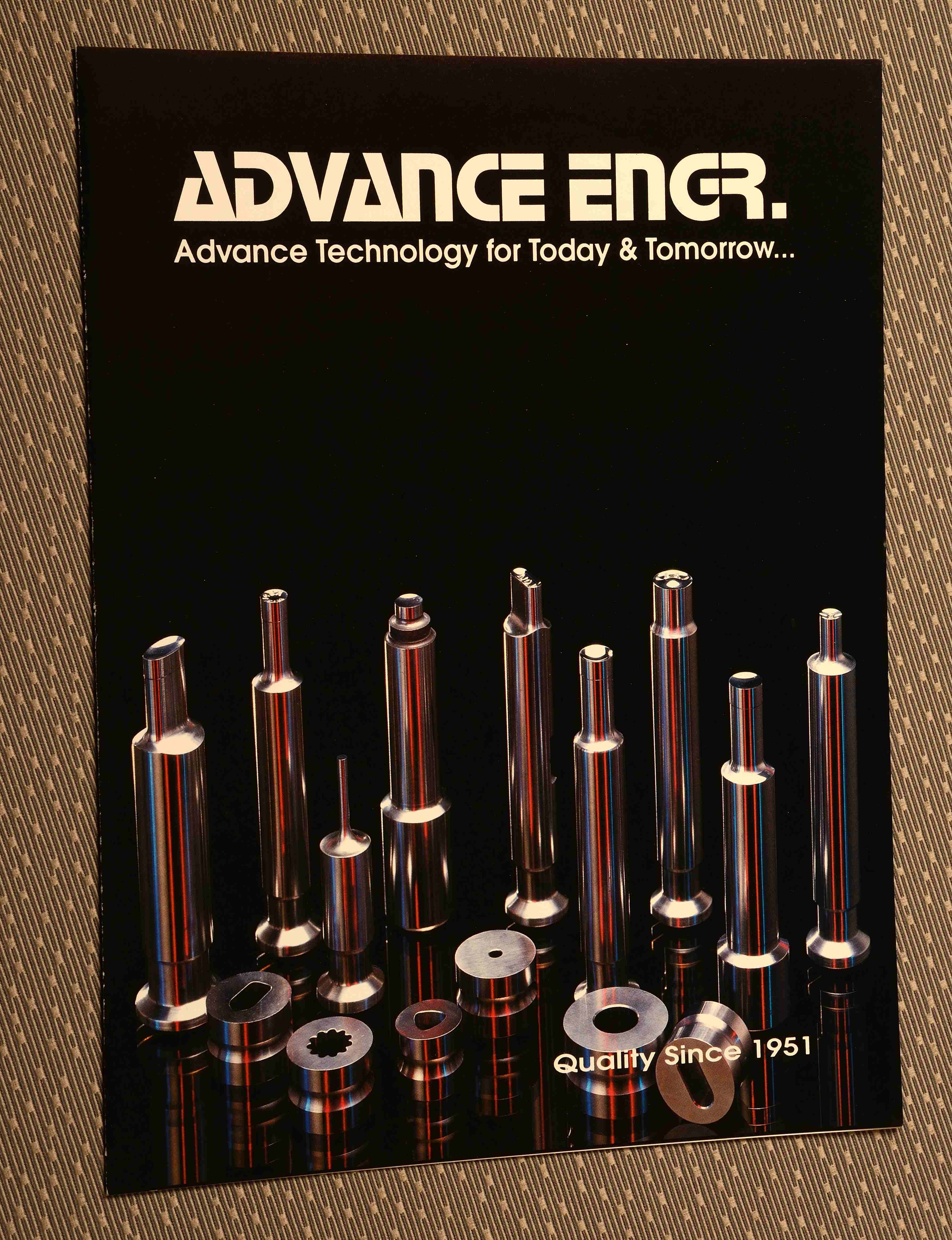
Product and Advertising Photography
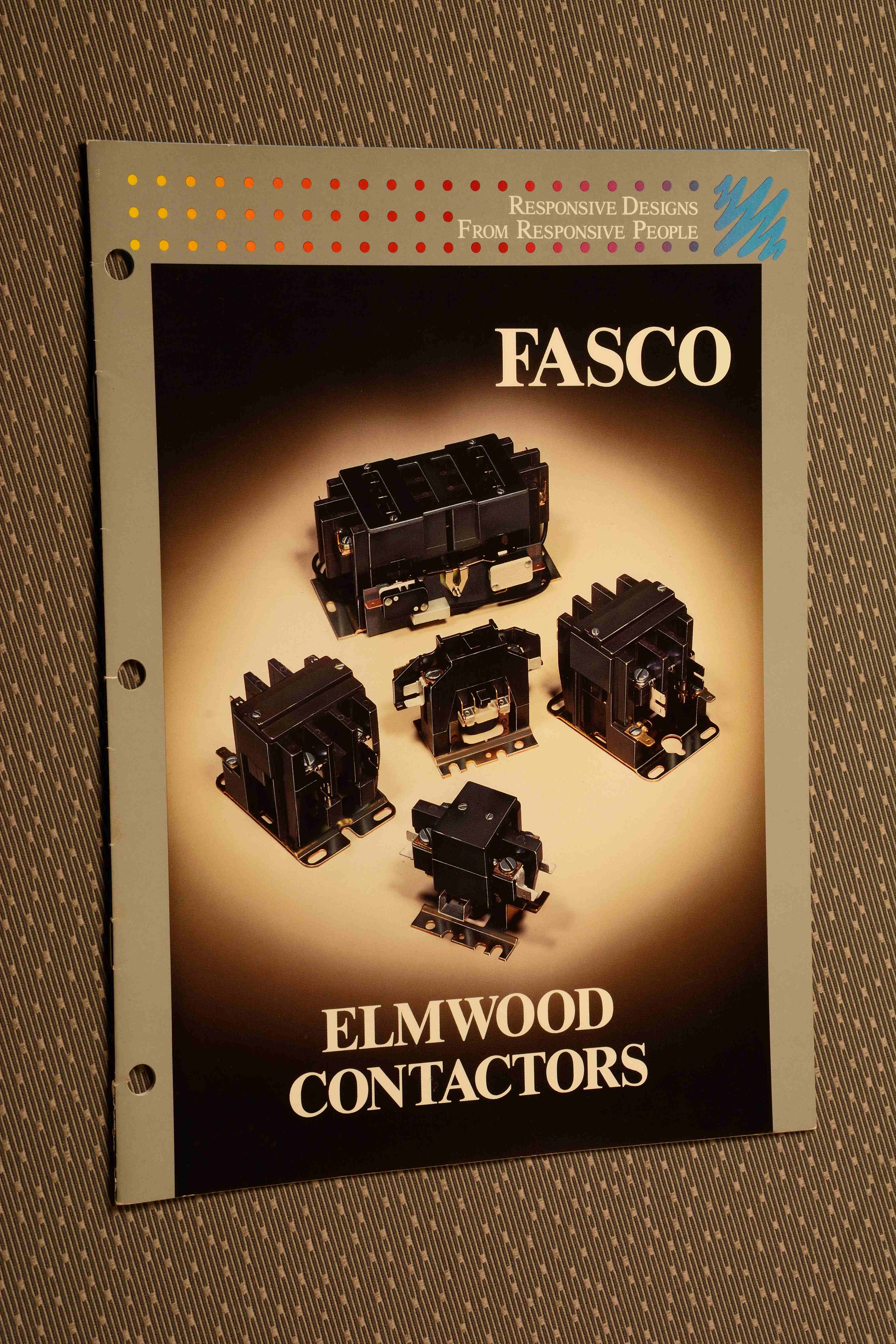
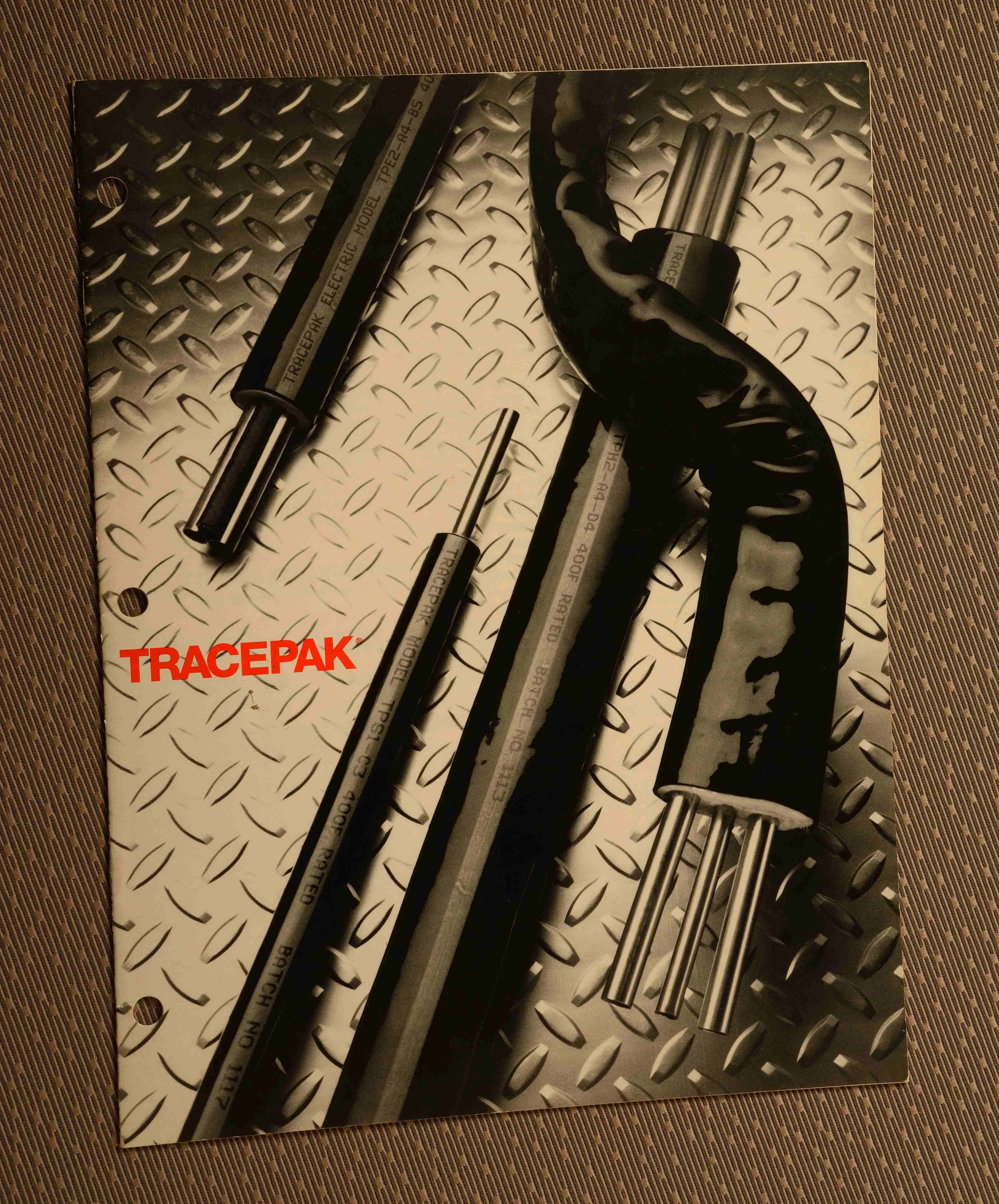
Product photography requires precise attention to lighting, composition, focus, color accuracy, and surface detail.
Reflective products, transparent materials, metallic finishes, and textured surfaces often require specialized lighting techniques.
Studio photography makes it possible to control unwanted reflections, isolate products from distracting backgrounds, and create consistent advertising imagery across entire product lines.
These images can support catalogs, e-commerce websites, packaging, print advertising, trade show displays, and digital marketing.
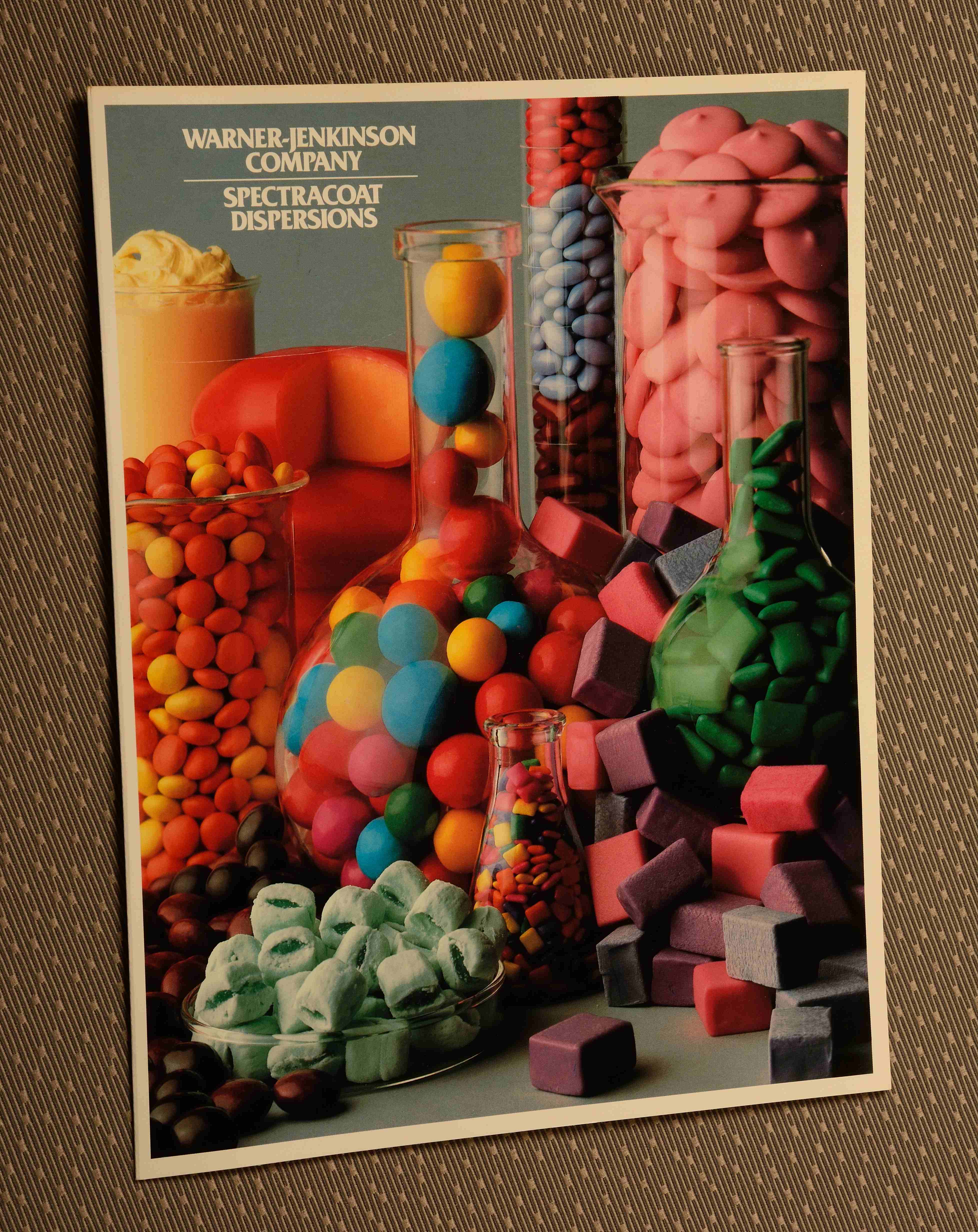
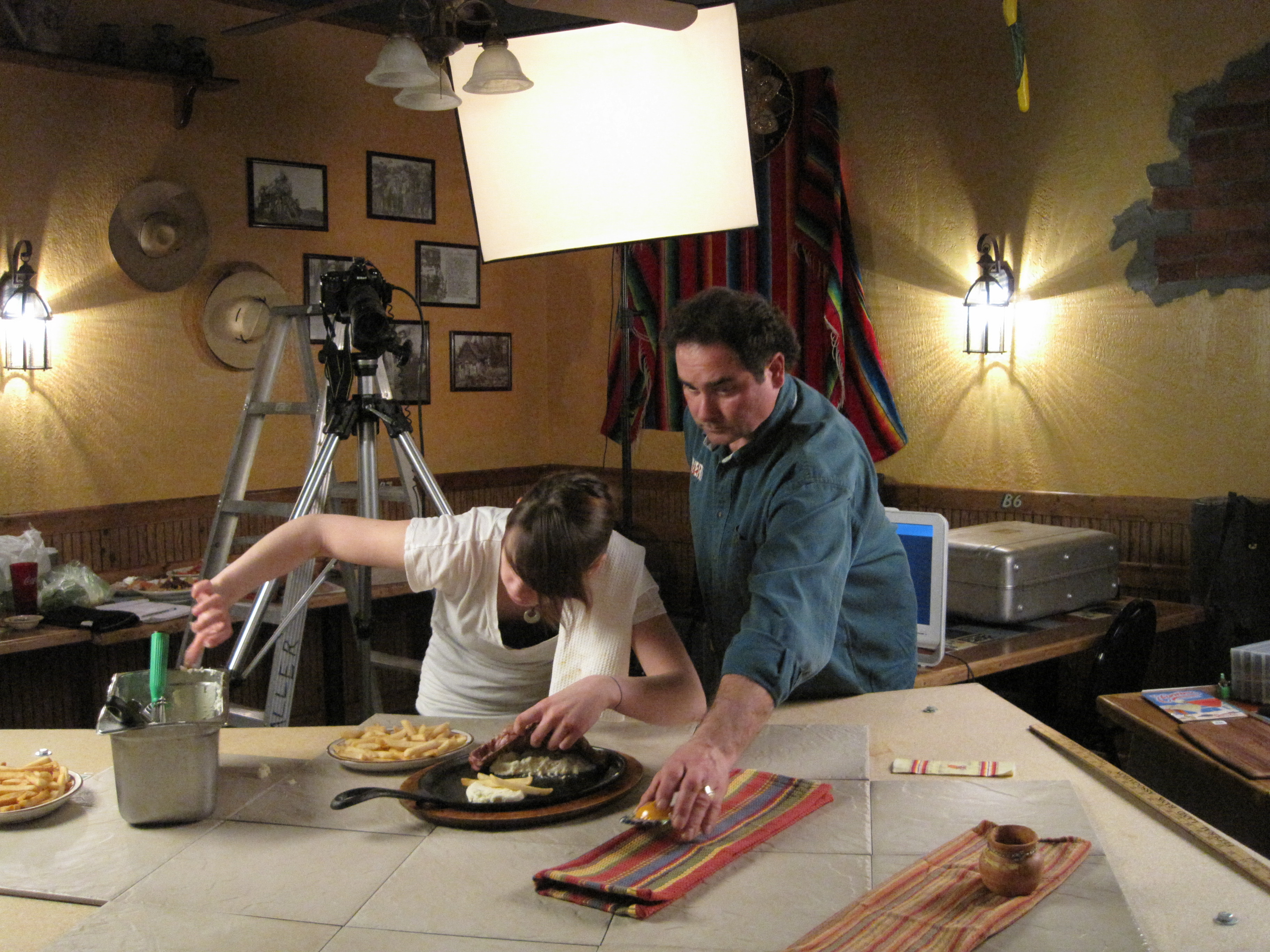
Food and Beverage Photography
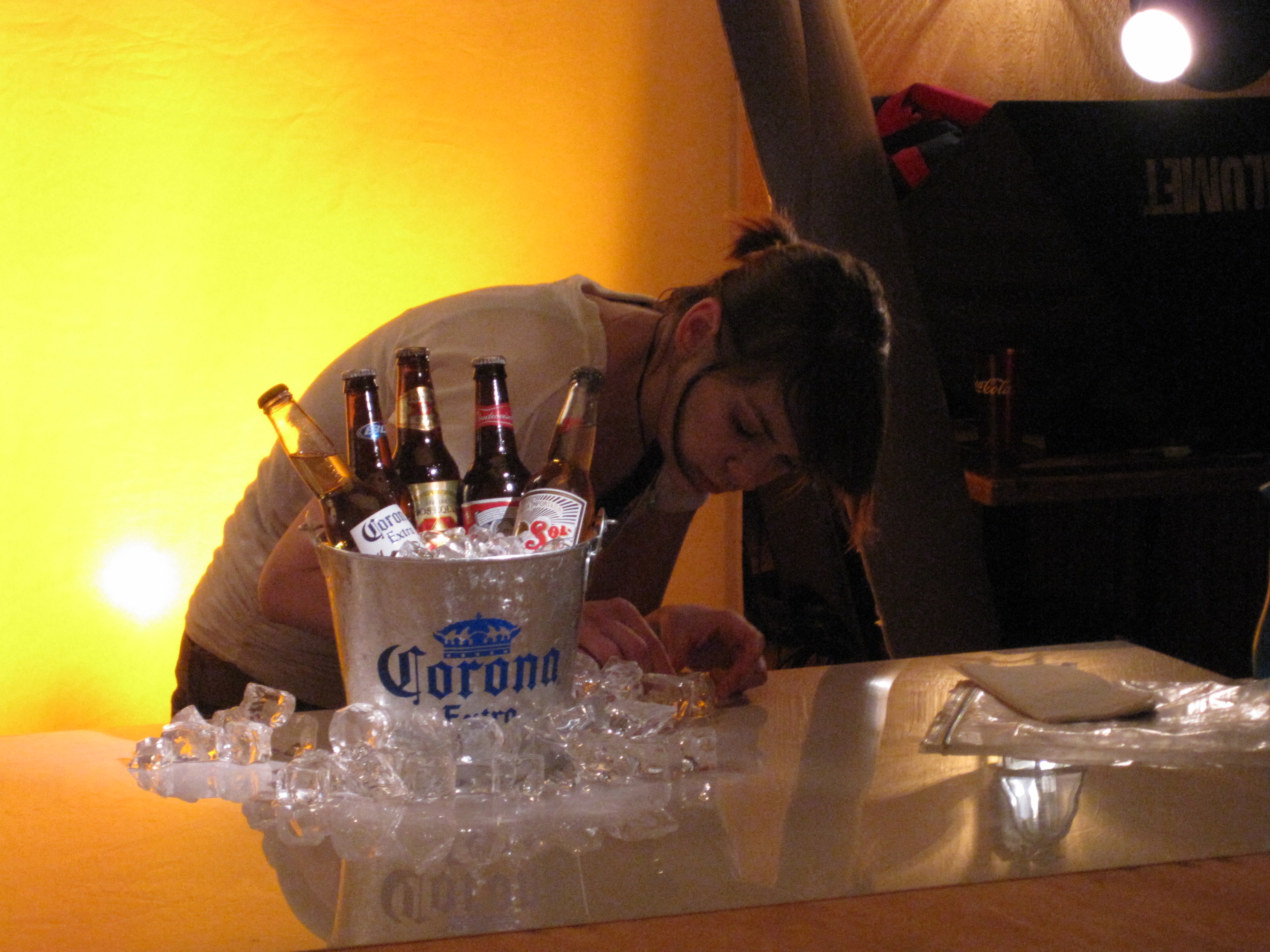
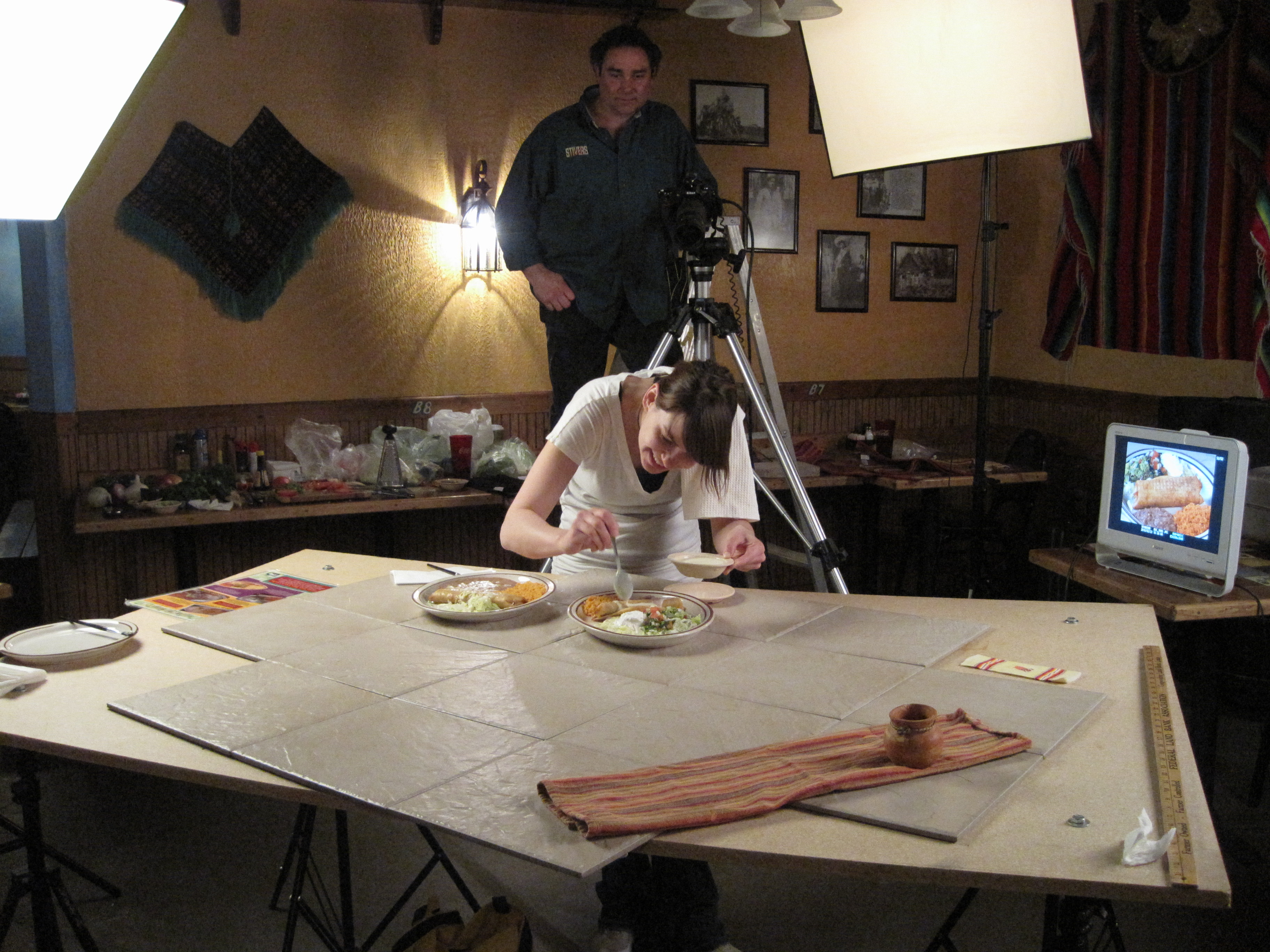
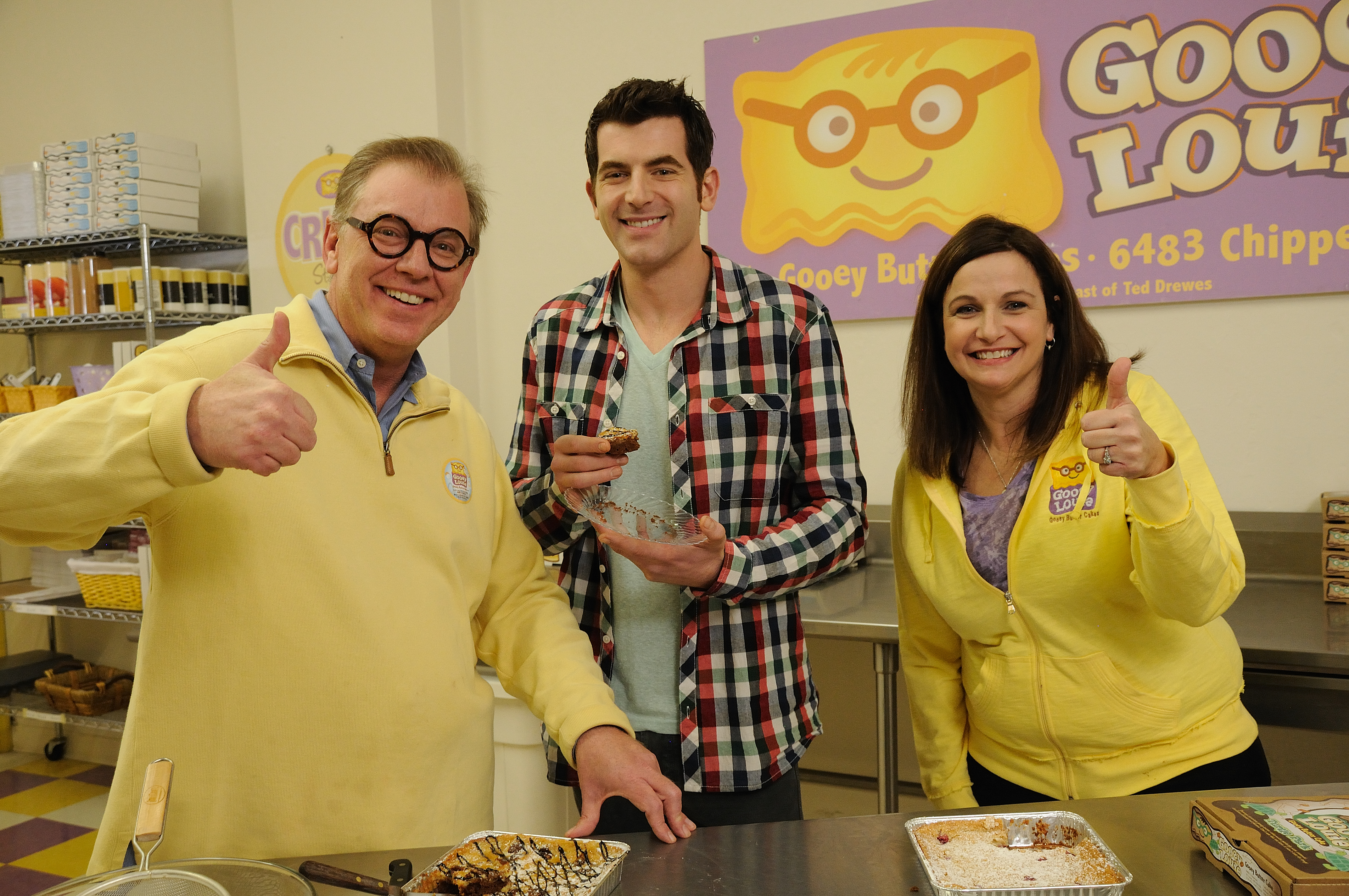
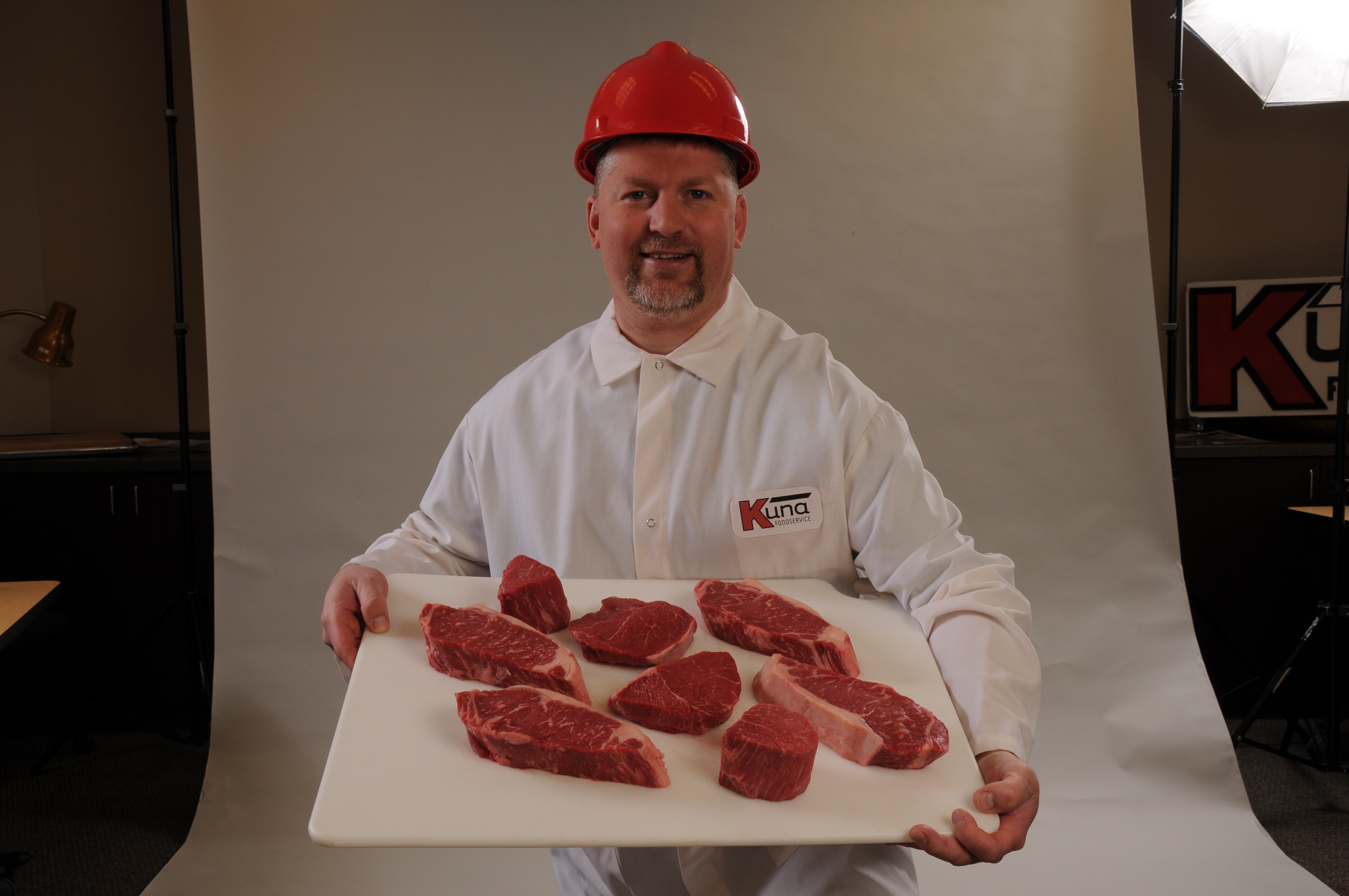
Professional food photography requires the ability to manage highlights, color, texture, composition, and presentation.
Controlled studio lighting can emphasize freshness, ingredients, surface details, and overall visual appeal.
Restaurants, food manufacturers, distributors, and advertising agencies benefit from photographs that maintain consistent quality across menus, packaging, websites, and promotional materials.
For decision makers overseeing marketing, communications, or brand content, the pressure is familiar: produce high-quality video and photography that performs, without inflating the budget line. It’s tempting to assume that “economical” and “professional” are mutually exclusive in commercial production — that cutting costs means cutting corners. In reality, the opposite is often true. The most cost-effective productions are the ones built on efficient infrastructure, experienced crews, and a studio designed to eliminate waste before a single frame is captured.
Here’s what savvy decision makers should understand about getting studio-quality video and photography in St. Louis without paying for inefficiency.
Where Production Budgets Actually Go
Before evaluating “economical,” it helps to understand where money typically disappears in a commercial shoot:
Location fees and permits for spaces that aren’t purpose-built for lighting or sound
Rental equipment sourced separately from talent, adding logistics and markup
Crew coordination across multiple vendors instead of one accountable team
Reshoots caused by inadequate lighting control, sound interference, or scheduling compression
Post-production bottlenecks when editing isn’t integrated with the shoot itself
An economical studio doesn’t cut these costs by doing less — it removes them by controlling more of the process in-house, under one roof, with one experienced team.
What Makes a Studio Genuinely Cost-Efficient (Not Just Cheap)
1. A Controlled Environment Reduces Variables
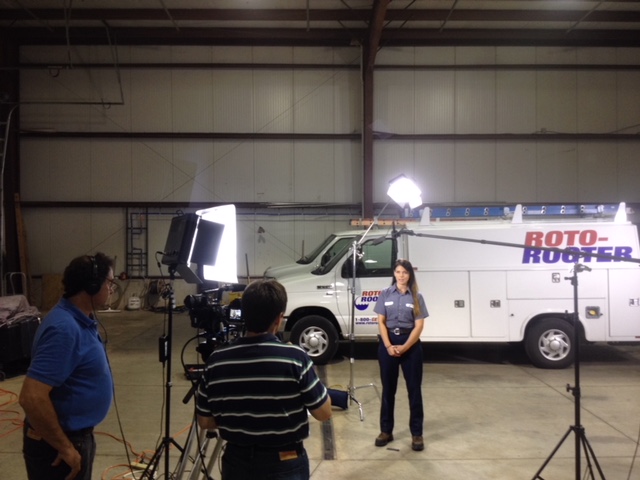
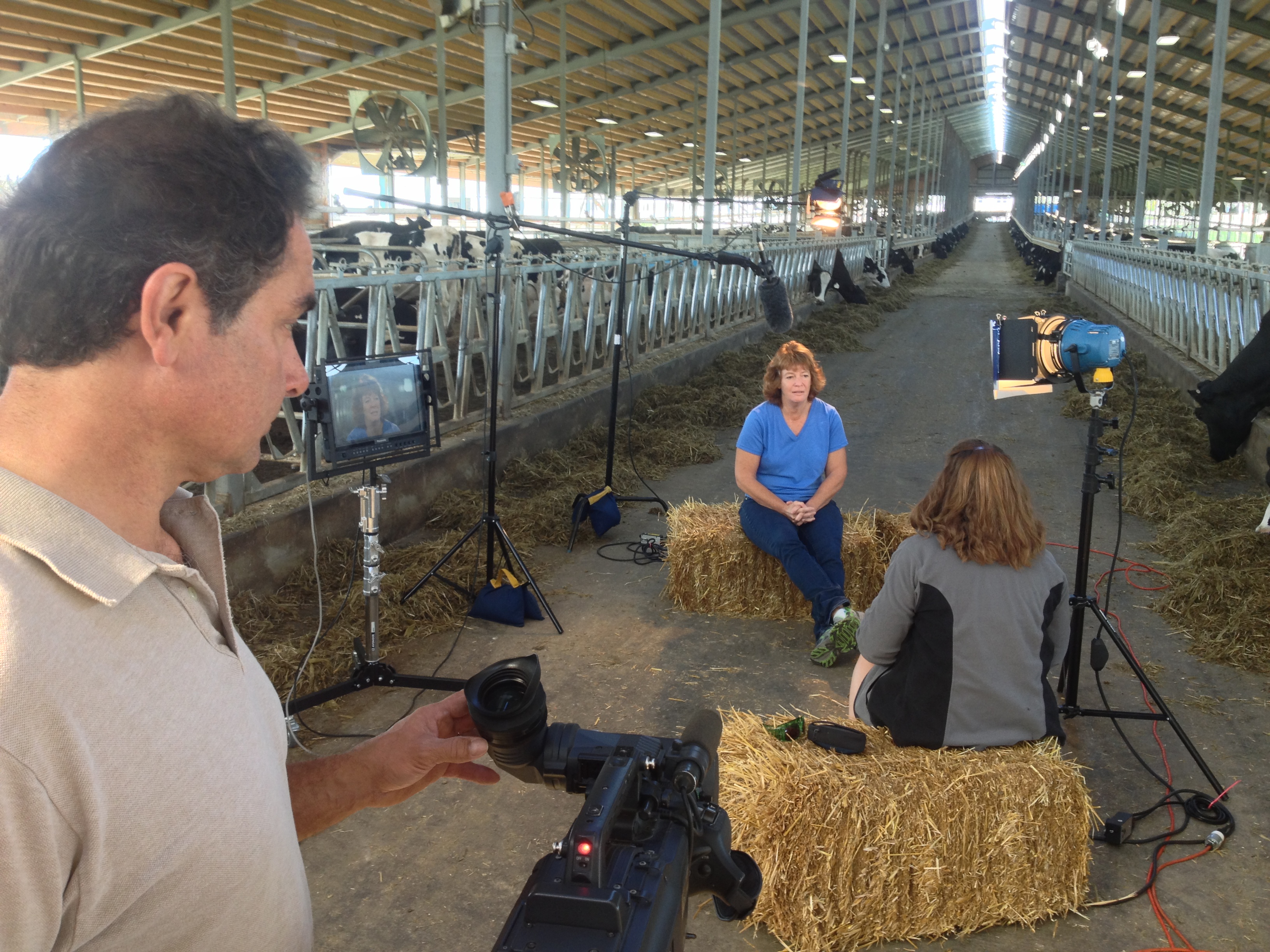
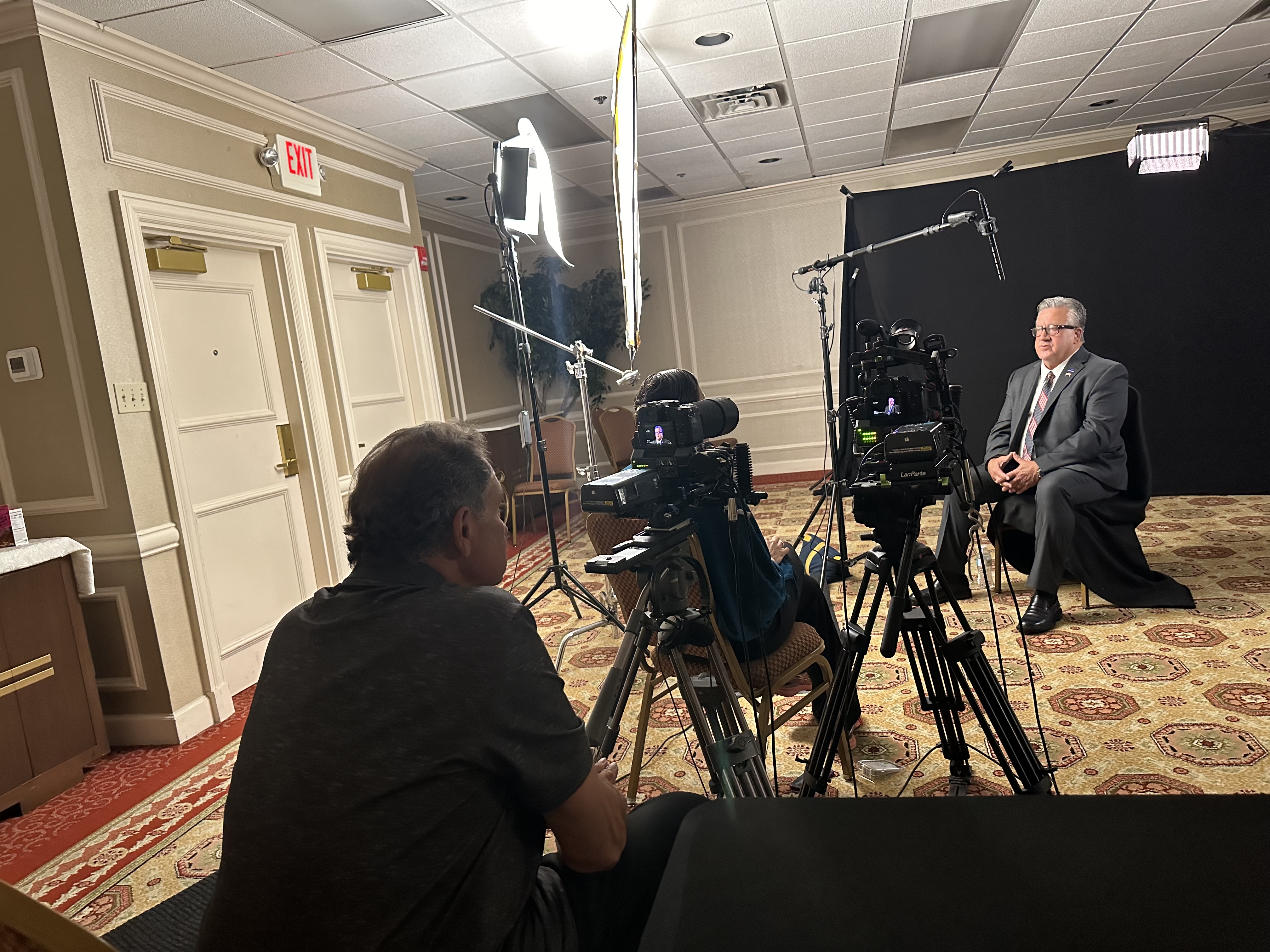
A private studio with professional lighting and sound infrastructure already in place means crews aren’t fighting ambient noise, inconsistent daylight, or uncooperative locations. For interview-style content, product photography, or brand video, this translates directly into fewer takes, faster setup, and a shorter billable day — without sacrificing image quality.
2. Scalable Space for Different Production Sizes
Not every project needs a soundstage, and not every business wants to pay for one. A studio sized appropriately for small-to-mid productions — with the flexibility to incorporate props and set pieces when needed — lets organizations right-size their spend to the actual scope of the content, whether that’s a single executive interview or a multi-scene brand campaign.
3. One Team, Fewer Handoffs
When camera operators, sound technicians, lighting specialists, and editors all come from the same organization, decision makers avoid the cost and confusion of coordinating separate freelancers or vendors. A single point of accountability from pre-production through final delivery is one of the most underrated cost-control mechanisms in commercial media production.
4. Efficient Workflows Powered by Modern Tools
Studios that have invested in current technology — including AI-assisted editing, organizing, and post-production workflows — can turn around polished content faster than teams relying on manual, legacy processes. Faster turnaround means lower labor cost per deliverable, which benefits the client’s bottom line.
5. Repurposing Content Multiplies Value
Perhaps the single biggest lever for stretching a production budget is repurposing. A well-run studio captures footage and stills with repurposing in mind from the outset — segmenting interviews for social clips, shooting extra angles for future ads, or capturing B-roll that can support multiple campaigns. One production day can yield months of usable content across platforms, dramatically lowering the effective cost per asset.
Questions Decision Makers Should Ask Before Booking a Studio
Does the studio own its lighting, sound, and camera equipment, or is it rented per project?
Is the crew in-house, or will coordination fall on our team?
Can the space accommodate props, sets, or multiple scenes without added location fees?
Does the studio offer post-production and editing on-site, or is that outsourced?
Will the footage and photography be captured with future repurposing in mind?
Are drone, location, and specialty services available under the same provider, or will we need to hire separately?
The answers to these questions determine whether “economical” is a genuine operational advantage or simply a lower quote with hidden costs waiting downstream.
The Bottom Line for Business and Marketing Leaders
Economical production isn’t about finding the lowest bid — it’s about partnering with a studio that has already invested in the equipment, space, crew, and workflow efficiencies that prevent budget overruns before they happen. For businesses, marketing firms, and creative agencies evaluating photography and video partners in St. Louis, the smartest financial decision is often the one that consolidates the most capability under a single, experienced roof.
About St Louis Photo Studio
St Louis Photo Studio is a full-service professional commercial photography and video production company, bringing the equipment, creative crew, and production experience necessary for successful image acquisition on every project. We offer complete studio and on-location video and photography services, along with editing, post-production, and licensed drone operations — all customizable to meet diverse media requirements across industries.
Repurposing your existing photography and video assets to gain more traction across platforms is one of our specialties, helping clients maximize the return on every production. We are well-versed in all file types, media styles, and the software that supports them, and we incorporate the latest in artificial intelligence across our media services to deliver faster, smarter results.
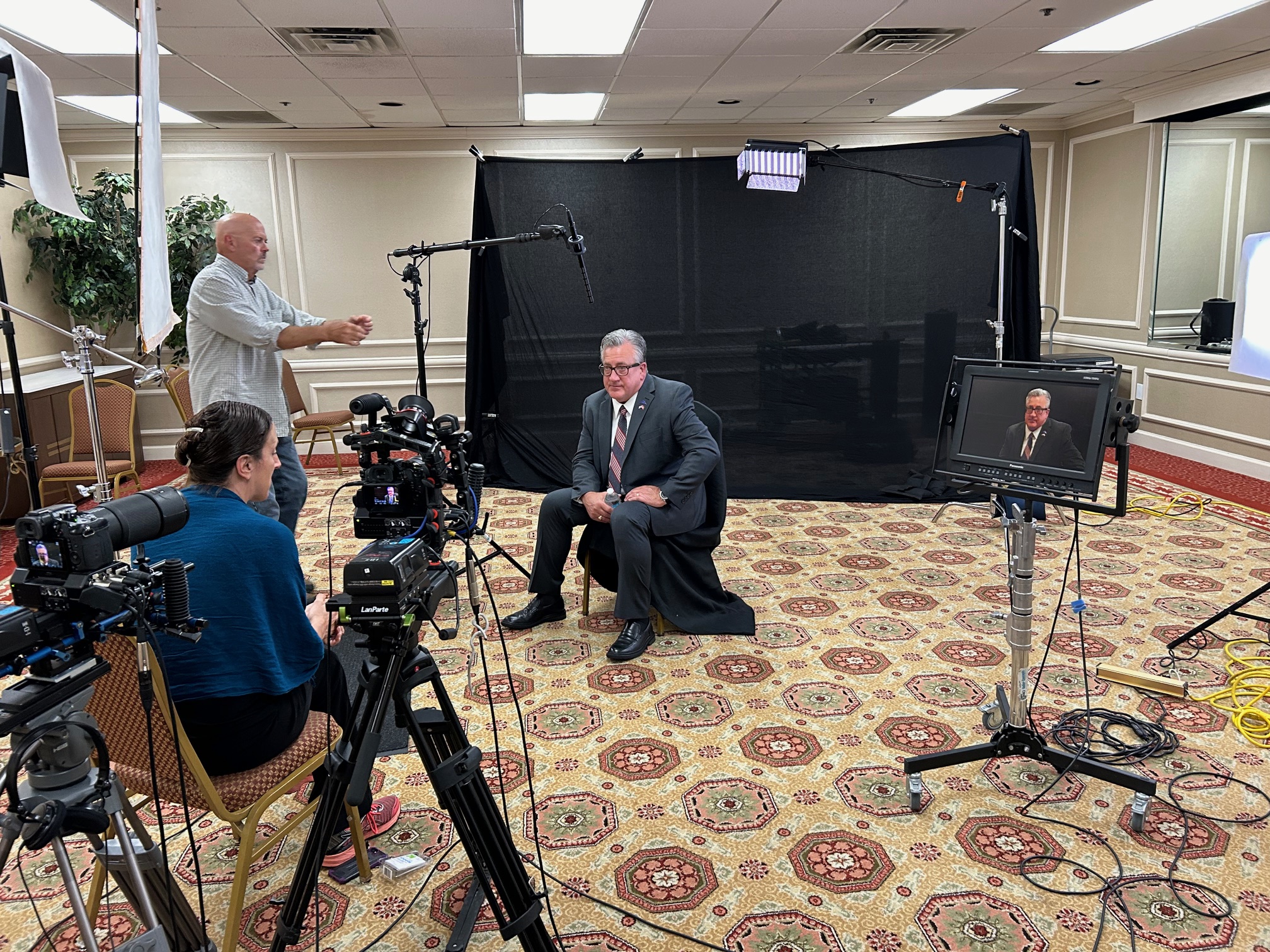
Our private studio offers professional lighting and a visual setup ideal for small productions and interview scenes, with a footprint large enough to incorporate props and build out a complete set. We support every aspect of production — from establishing a custom private interview studio to supplying professional sound and camera operators and the right equipment for the job — ensuring your next video production is seamless and successful from concept to final delivery.
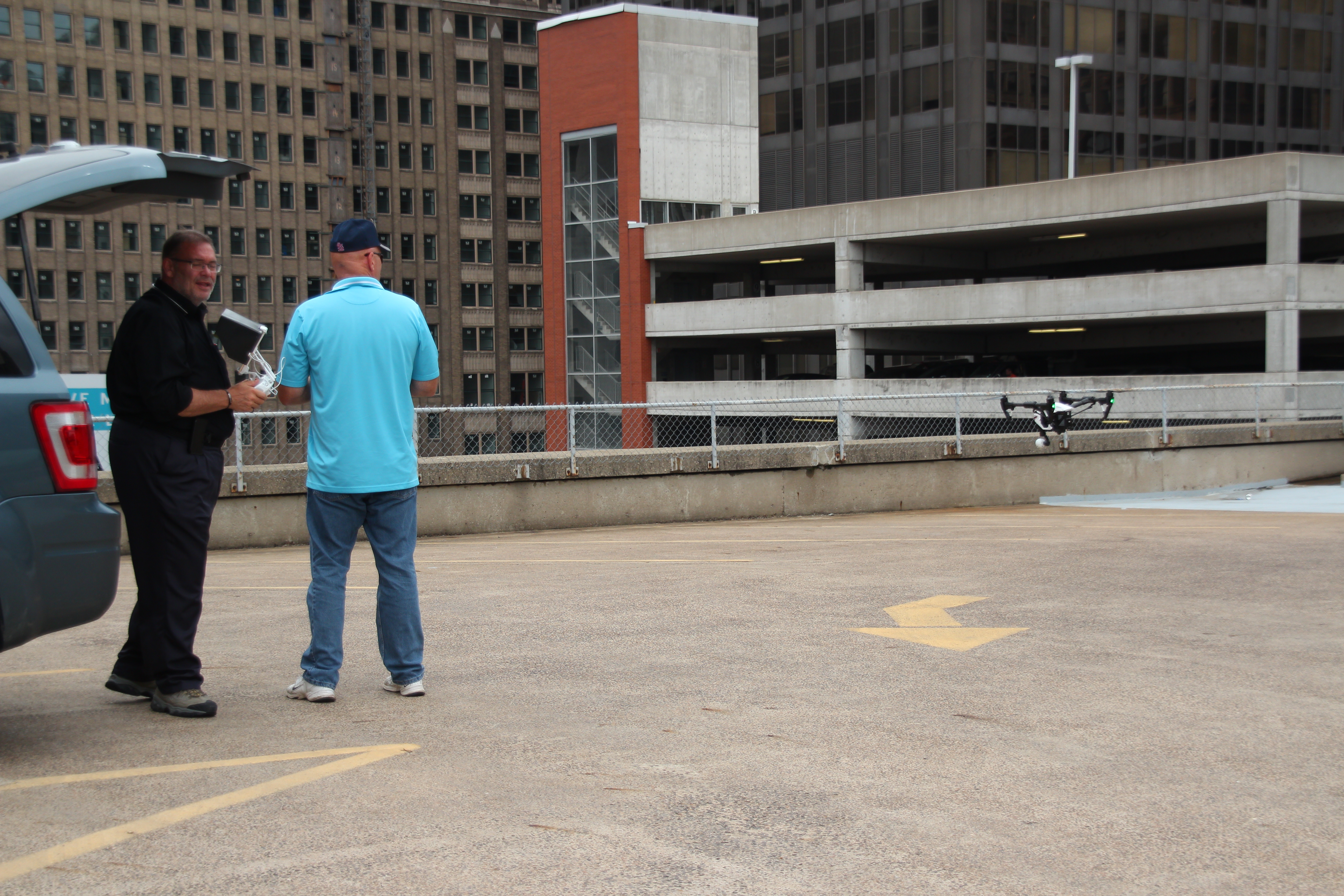
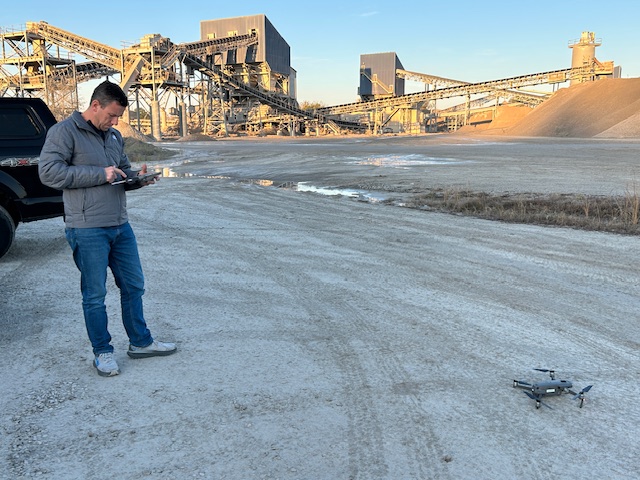
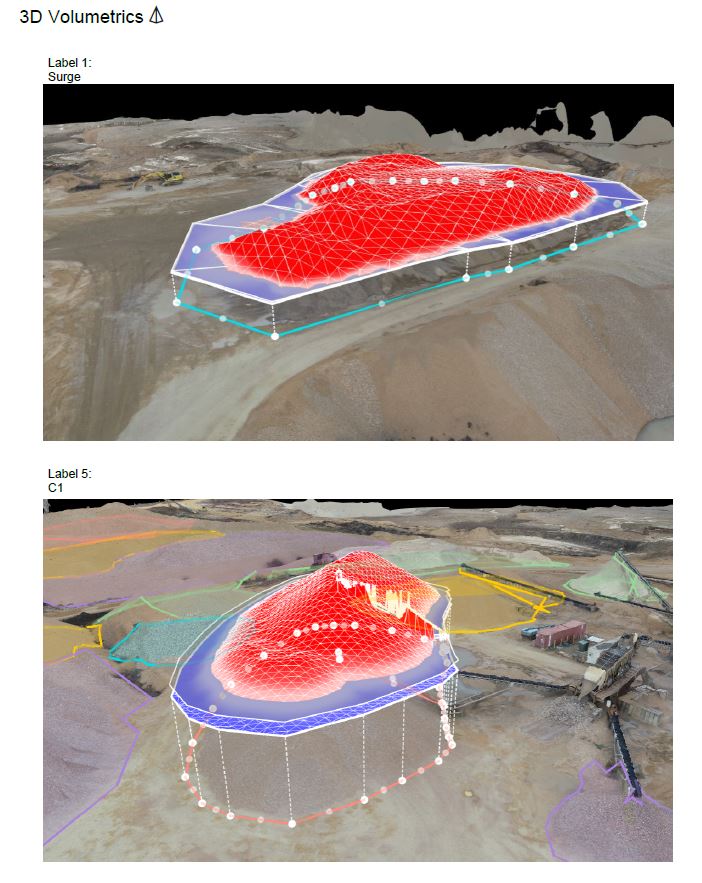
Our team also includes location scouting and B-roll specialists, and we operate specialized FPV drones capable of flying indoors, along with additional drone services including infrared thermal imaging, orthomosaic mapping, and LiDAR scanning.
As a full-service video and photography production company serving the St. Louis area since 1982, St Louis Photo Studio has partnered with businesses, marketing firms, and creative agencies throughout the region on their marketing photography and video needs. Whether your goals call for studio precision or economical efficiency, our team has the experience and infrastructure to deliver.
Every conference, trade show, gala, and corporate event is a limited-time investment of budget, staff hours, and reputation. Once the doors close and the booths come down, the only lasting proof of that investment is the visual record you walk away with. For marketing directors, event producers, and communications leads, professional conference and event coverage isn’t a nice-to-have add-on — it’s the raw material for a year’s worth of recruitment content, sales collateral, sponsor recaps, social proof, and next year’s promotional campaign.
Yet event photography and videography is one of the most misunderstood categories of commercial media production. It looks simple from the outside — show up, take pictures, capture some video — but delivering usable, on-brand assets from a live, unrepeatable event requires a level of planning, technical skill, and post-production discipline that few other production types demand. Here’s what decision makers should understand before their next conference or event.
Why Event Coverage Is a Different Discipline
Studio and controlled-location shoots allow for retakes, adjustable lighting, and a fixed schedule. Conferences and events offer none of that. A keynote happens once. A ribbon-cutting happens once. A candid moment of a client shaking hands with your CEO on the show floor happens once. There is no “let’s do that again.”
This reality changes the entire approach to production:
Anticipation replaces direction. A skilled event photographer or videographer must read a room and predict what’s about to happen — the applause line, the award reveal, the networking interaction — because there’s no second take.
Coverage must be redundant. Professional crews plan for multiple simultaneous vantage points and backup equipment, because a missed angle or a dead battery during a keynote can’t be recovered.
Lighting is often uncontrollable. Conference centers, hotel ballrooms, and outdoor venues each present their own lighting challenges. Experienced crews carry adaptable lighting and camera gear calibrated to work in mixed, low, or high-contrast environments without disrupting the event itself.
Discretion matters. Unlike a studio shoot, an event crew is working inside a live audience experience. Professional operators know how to move, position, and shoot without becoming a distraction to attendees or speakers.
What a Comprehensive Event Coverage Plan Includes
Decision makers should expect (and ask for) a coverage plan that goes well beyond “send a photographer.” A well-run conference or event production typically includes:
1. Pre-Event Strategy and Shot Lists
A production partner should meet with your team before the event to understand your marketing goals. Are you building a highlight reel for next year’s promotion? Do you need headshots of speakers? Are sponsors expecting deliverables that feature their branding? This conversation shapes a shot list and schedule that ensures nothing critical is missed.
2. Keynotes and General Sessions
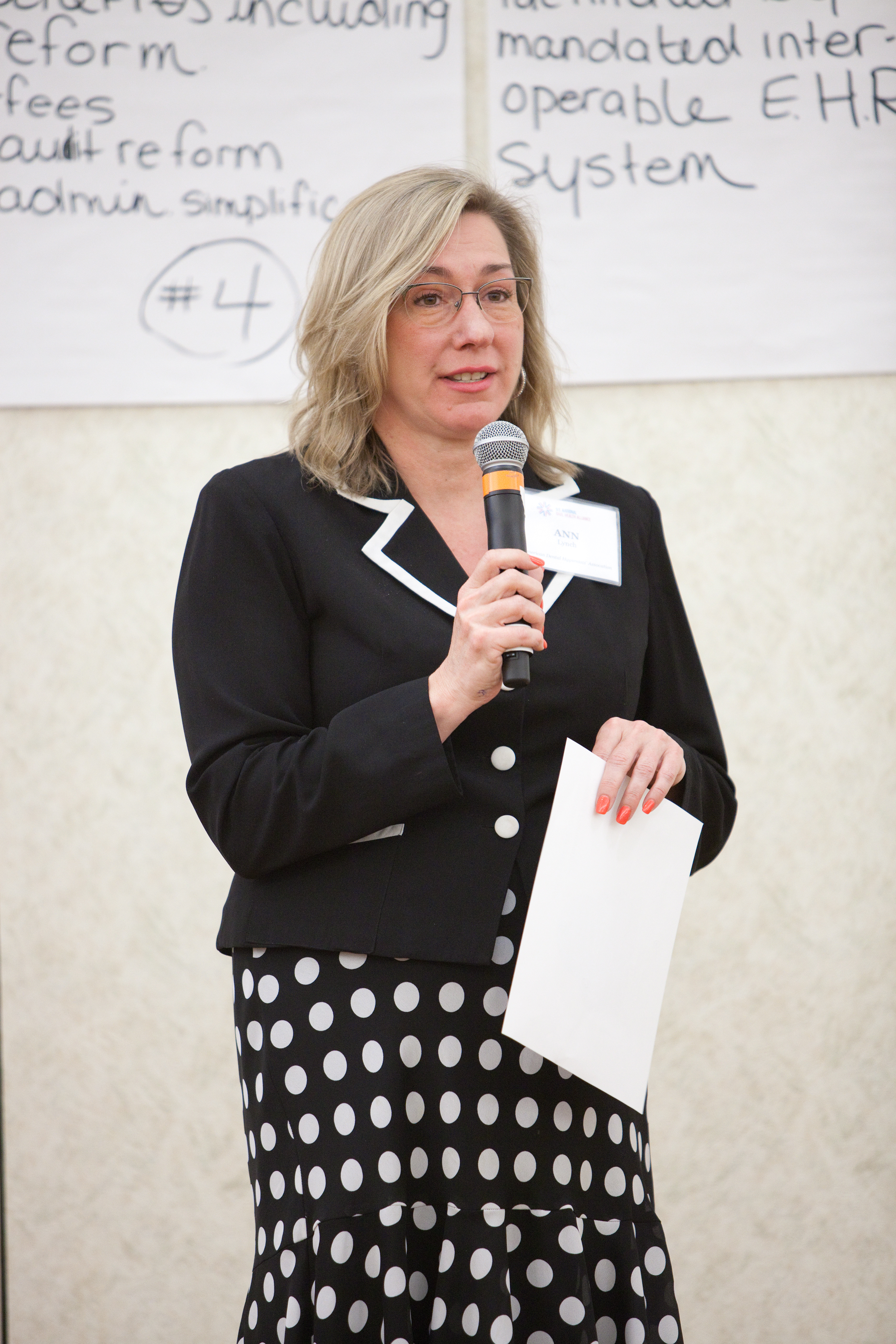
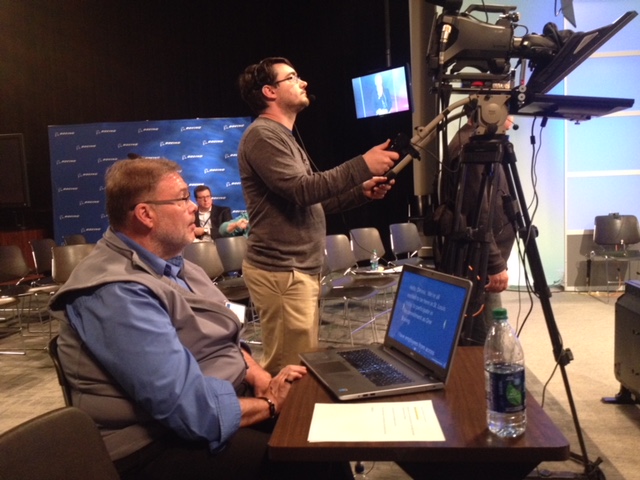
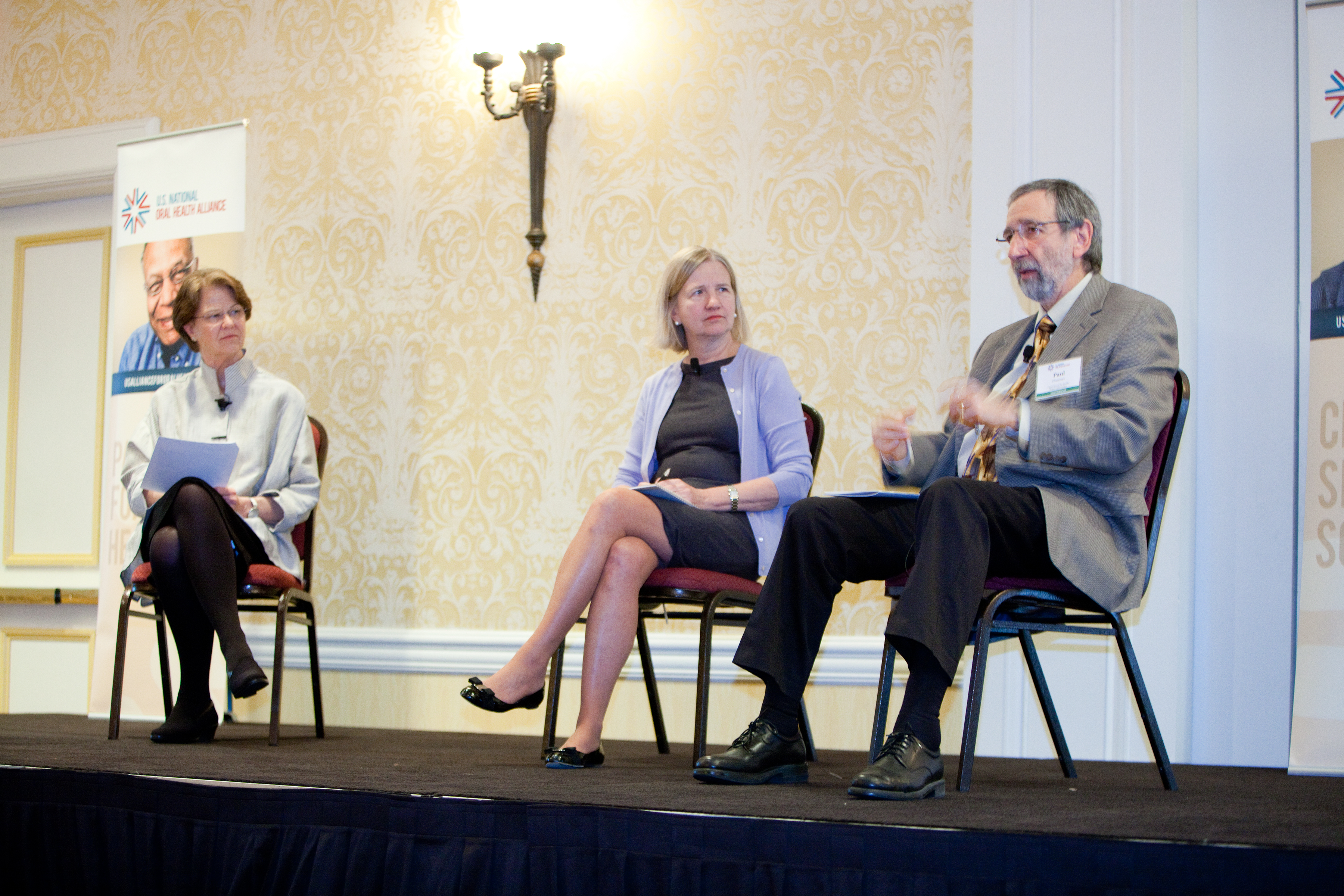
Multi-camera video coverage of keynotes and panels ensures you capture both the speaker and audience reaction, along with clean audio pulled directly from the venue’s sound board whenever possible. This is essential for creating quotable, sharable clips after the event.
3. Candid and Environmental Coverage
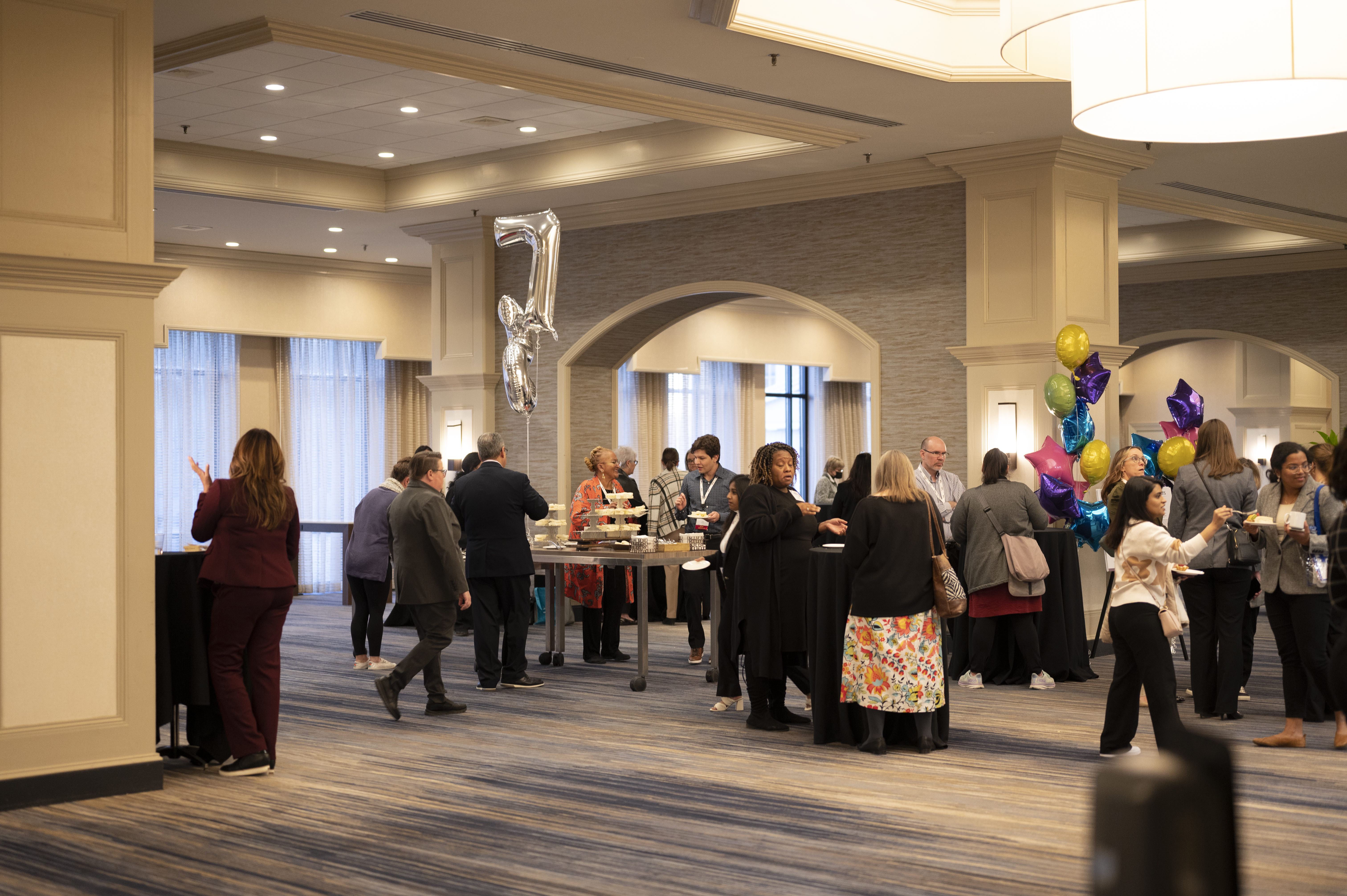
Networking moments, exhibitor booths, breakout sessions, and audience engagement tell the story of your event’s energy. These images and clips are often the most valuable assets for social media and next year’s registration campaigns, because they show real engagement rather than a stage.
4. B-Roll for Post-Production Flexibility
Establishing shots of the venue, signage, crowds arriving, branded environments, and detail shots of materials give editors the flexibility to build a compelling recap video or sizzle reel without relying solely on session footage.
5. Sponsor and Exhibitor Deliverables
For events with sponsors or exhibitors, dedicated coverage of branded spaces and interactions is often a contractual deliverable. Having a plan for this in advance avoids last-minute scrambling and strengthens sponsor relationships for future events.
6. Rapid Turnaround Assets
Same-day or next-day social content has become a standard expectation. A production partner with an efficient post-production workflow can deliver select images or a short recap clip within hours, keeping your event trending on social channels while it’s still relevant.
Photography and Video Work Together — Not Separately
One of the most common mistakes organizations make is treating photography and videography as separate vendor relationships. When both are coordinated under a single production team, the results are far more cohesive:
Photographers and videographers can share intel on schedule changes in real time.
Lighting and positioning can be planned to serve both mediums without one crew getting in the other’s shot.
Final deliverables — photos, video clips, and social content — maintain consistent color grading, branding, and tone.
A single point of contact simplifies logistics, credentialing, and communication with venue staff and event organizers.
Post-Production: Where the Real Value Is Delivered
Raw event footage and images are only the beginning. The value decision makers actually use comes from post-production:
Photo culling and retouching to deliver a curated, brand-ready gallery rather than thousands of unsorted images.
Video editing into multiple formats — a full recap, a 30-second social cut, vertical formats for Reels and Stories, and sponsor-specific edits.
Color grading and audio mixing to ensure professional polish across varied lighting and sound conditions.
Metadata and file organization so your marketing team can quickly locate and repurpose assets months later.
AI-assisted workflows for faster culling, transcription, and rough-cut assembly, allowing for quicker turnaround without sacrificing the human judgment needed for brand-accurate final edits.
Questions Decision Makers Should Ask a Production Partner
Before booking coverage for your next conference or event, ask potential partners:
How many crew members will be on-site, and how is coverage divided across simultaneous sessions or spaces?
What is your backup plan for equipment failure during a live, unrepeatable moment?
Can you deliver same-day or next-day social content?
Do you provide both photography and videography under one coordinated team?
What does your post-production process look like, and what file formats and resolutions will we receive?
Can assets be repurposed across web, social, print, and future campaigns?
Do you have experience navigating large venues, credentialing, and coordinating with event staff and AV teams?
The answers to these questions separate production partners who understand events from those who are simply available on the date you need them.
About St Louis Photo Studio
St Louis Photo Studio has served as a full-service professional commercial photography and video production company since 1982, working alongside businesses, marketing firms, and creative agencies throughout the St. Louis area on their marketing photography and video needs — including conferences and live events.
We bring the right equipment and an experienced creative crew to every production, whether that’s a multi-day conference, a corporate gala, a trade show, or an intimate executive briefing. Our team handles full-service studio and location video and photography, along with editing, post-production, and licensed drone services, giving your organization one coordinated partner instead of multiple vendors to manage.
For conferences and events specifically, our crews specialize in location scouting and b-roll, ensuring your recap videos and social content are built on strong environmental and establishing footage in addition to session coverage. We’re well-versed in every file type, media style, and accompanying software your marketing and creative teams use, and we integrate the latest in artificial intelligence across our media services to speed up culling, editing, and turnaround without compromising creative quality.
When an event calls for a private, controlled setting — executive interviews, speaker sit-downs, or branded portrait sessions — our studio’s private lighting and visual setup is ideal for small productions, with enough space to incorporate props and build out a complete set. We also support every other aspect of your production, from professional sound and camera operators to the full equipment package your shoot requires.
Our licensed drone services extend event coverage in ways ground-based crews can’t, including specialized FPV drones capable of flying indoors for dynamic venue shots, along with infrared thermal, orthomosaic, and LiDAR capabilities for organizations with more advanced documentation or facility needs.
Beyond the event itself, we specialize in repurposing your photography and video branding to help your organization gain more traction from every shoot — turning a single conference or event into a year’s worth of marketing, recruitment, and sponsor content.
If your organization has a conference or event on the calendar, St Louis Photo Studio is ready to build a coverage plan tailored to your goals, your venue, and your audience.
The Electronic Residency Application Service (ERAS) demands strict adherence to visual standards. Simultaneously, the rise of virtual interviews and digital recruitment marketing has made high-quality video clips an absolute necessity.
Achieving production excellence does not have to drain your annual budget. By understanding how to streamline the production process, healthcare institutions can secure pristine ERAS headshots and compelling video assets highly cost-effectively.
The Strategic Value of Standardized ERAS Visuals
Medical marketing and GME decision-makers often face a dual challenge: ensuring applicants look impeccably professional while simultaneously marketing their own residency programs to top-tier medical talent.
For the Applicants: A non-compliant or poorly lit headshot can inadvertently signal a lack of professionalism. ERAS maintains rigid technical specifications regarding dimensions, aspect ratios, and file sizes that must be met perfectly.
For the Programs: High-quality video clips—such as “day-in-the-life” snippets, faculty introductions, or virtual department tours—are the most effective tools for attracting elite residents in a digital-first recruitment era.
Investing in these assets independently can lead to fractured branding and inflated costs. The key to true cost-efficiency lies in production convergence.
3 Strategies for Cost-Efficient Photo and Video Production
1. The Hybrid Session Model (Batch Processing)
The most significant expense in commercial media production is often the time spent setting up and breaking down equipment. By utilizing a hybrid studio workflow, a professional media team can capture high-resolution ERAS headshots and record high-definition video clips during the exact same session slot. While the subject is positioned under professional portrait lighting, transitioning to a brief video interview or a quick “meet the resident” clip takes only moments, slashing per-capita production costs.
2. Repurposing Media Assets
Do not view an ERAS shoot as a single-use project. High-quality photography and video branding captured during these sessions can be intelligently repurposed across multiple platforms:
Hospital internal directories and intranet systems.
Graduate Medical Education website updates and program landing pages.
Social media spotlight campaigns on LinkedIn and Instagram.
Print brochures and digital recruitment presentations.
3. Streamlined Post-Production via Advanced Workflows
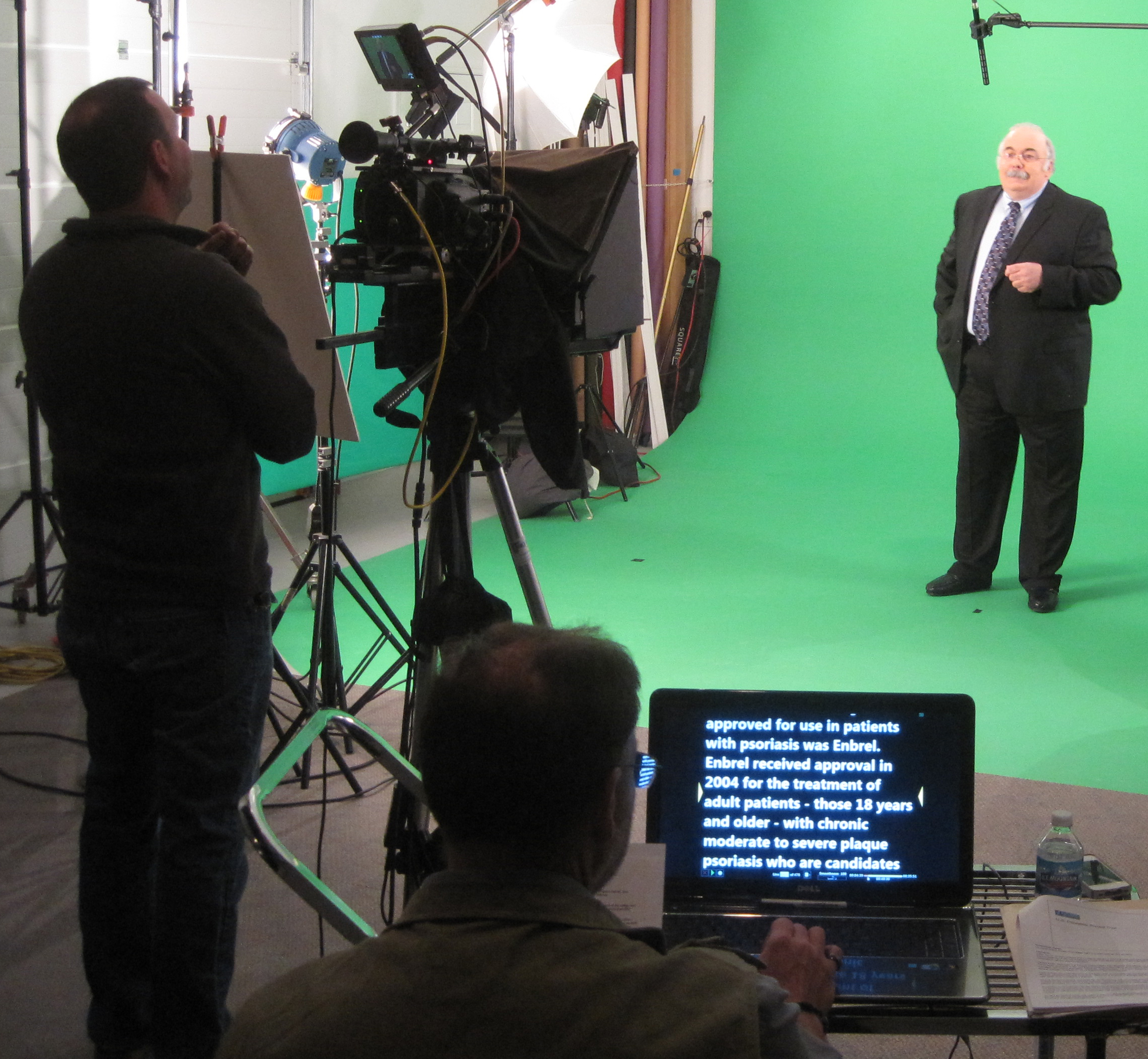
Post-production can quickly become a bottleneck that drives up costs. By partnering with a production team that leverages the latest in Artificial Intelligence (AI) for automated color grading, background standardization, and audio cleaning, turnaround times are drastically reduced, saving hours of costly manual labor.
Technical Specifications: ERAS vs. Digital Video Clips
To maintain peak efficiency, your production partner must be well-versed in the precise file types, software, and styles required by modern medical media platforms. Here is how to approach each format cleanly without overcomplicating your shoot day:
ERAS Headshots
The Standards: Requires a 2.5 x 3.5-inch image with a light gray or white background, strictly framed from the shoulders up.
Efficiency Best Practice: Capture these on a high-resolution digital format. This allows for flexible cropping during post-production so the exact same asset can be utilized for both official ERAS submission and standard hospital ID badges.
Program Video Clips
The Standards: Requires clean 1080p or 4K resolution with clear, crisp audio and a properly balanced ambient soundscape.
Efficiency Best Practice: Record in a highly controlled acoustic environment. Managing background noise during the live shoot eliminates the need for time-consuming and expensive audio fixes in post-production editing.
Social Snippets and Shorts
The Standards: Requires a vertical 9:16 format with concise, high-impact messaging kept under 60 seconds.
Efficiency Best Practice: Shoot horizontally in 4K resolution. This provides the editing team with enough pixel density to crop the video into a vertical format later without any loss in visual quality.
Pro-Tip for GME Directors: When scheduling your photo and video day, create a strict block schedule. Providing applicants and faculty with clear wardrobe guidelines (such as wearing solid colors and pressed white coats, while avoiding fine geometric patterns) minimizes on-set delays and ensures visual consistency across your entire department.
Partner with the Experts: The St Louis Photo Studio Advantage
Navigating the logistics of medical media production requires a partner who brings both deep creative expertise and technical precision to the table. St Louis Photo Studio is a full-service professional commercial photography and video production company equipped with the right tools and an experienced creative crew to guarantee successful image acquisition every time.
Since 1982, St Louis Photo Studio has collaborated with numerous businesses, marketing firms, and creative agencies in the St. Louis area, delivering top-tier marketing photography and video solutions. We offer full-service studio and location video and photography, alongside comprehensive editing and post-production workflows.
Why Choose St Louis Photo Studio for Your Institution?
Advanced Private Studio: Our private studio features specialized lighting and visual setups perfect for small productions and intimate interview scenes. The studio space is large enough to incorporate props to round out your set, making it highly adaptable for diverse media requirements.
Cutting-Edge Technology: We are well-versed in all file types, media styles, and accompanying software. To ensure maximum cost-efficiency and rapid delivery, we integrate the latest in Artificial Intelligence across all our media services.
End-to-End Production Support: We support every aspect of your production—from setting up a private, custom interview studio to supplying professional sound and camera operators. We handle everything to ensure your next video production is seamless and successful.
Specialized Drone Services: As licensed drone operators, we can fly specialized FPV drones indoors to capture breathtaking facility fly-throughs. Our advanced aerial capabilities also include infrared thermal imaging, orthomosaics, and LiDAR for broader institutional operations.
Location and B-Roll Specialists: Whether you need on-site location scouting or a dedicated team to capture dynamic b-roll of your medical facilities, we customize your productions to meet your exact institutional needs. Repurposing your photography and video branding to gain more traction is one of our distinct specialties.
Let us help you maximize your marketing and recruitment budget. Contact St Louis Photo Studio today to customize a cost-efficient photo and video package tailored to your organization’s precise needs.
Small businesses face a unique challenge when it comes to marketing. Unlike large corporations with substantial advertising budgets, small businesses must carefully allocate resources while still competing for attention in increasingly crowded markets. The good news is that professional photography and video production have become more accessible, scalable, and cost-effective than ever before.
The key is not simply spending less. The goal is maximizing the value of every visual asset you create. When strategically planned and professionally executed, photography and video can become long-term marketing investments that generate returns across multiple platforms and campaigns.
Why Visual Content Matters More Than Ever
Consumers are exposed to thousands of marketing messages every day. Strong visual content helps businesses cut through the noise and establish credibility instantly.
Professional photography and video accomplish several critical objectives:
Build trust and credibility
Demonstrate products and services
Humanize your brand
Improve website engagement
Increase social media performance
Enhance search engine optimization
Support sales and recruitment efforts
Create consistent branding across all marketing channels
For many small businesses, professional visual content is often the first impression potential customers experience. Low-quality images or outdated videos can unintentionally communicate a lack of professionalism, while polished visuals help establish confidence and authority.
Understanding Cost Efficiency Versus Low Cost
One of the biggest misconceptions in marketing is that the cheapest option is the most economical. In reality, cost efficiency is about obtaining the greatest value over time.
For example, a professionally planned one-day video and photography production can generate:
Website hero images
Employee portraits
Social media content
Product photography
Customer testimonial videos
Recruitment videos
Training content
Marketing collateral
Email campaign visuals
B-roll footage for future projects
Instead of commissioning separate projects throughout the year, businesses can create a comprehensive visual library during a single production cycle.
The result is lower cost per asset and significantly higher long-term value.
Planning Productions for Maximum ROI
The most cost-effective productions begin long before cameras arrive on location.
Strategic pre-production planning helps identify:
Marketing Objectives
What are the business goals?
Examples include:
Generating leads
Recruiting employees
Increasing brand awareness
Supporting a product launch
Enhancing customer retention
Improving website conversion rates
Target Audience
Understanding the audience influences:
Visual style
Messaging
Locations
Interview subjects
Distribution strategy
Content Repurposing Opportunities
A single interview can become:
A full-length corporate video
Multiple social media clips
Website content
Recruitment videos
Customer success stories
Podcast material
Email marketing assets
Repurposing content dramatically lowers production costs while increasing reach.
The Value of Authentic Business Photography
Today’s audiences respond to authenticity.
Stock photography may appear generic and often fails to reflect a company’s actual culture, people, and capabilities.
Professional custom photography allows businesses to showcase:
Leadership Teams
Executive portraits build trust and establish authority.
Employees at Work
Action photography demonstrates expertise and company culture.
Facilities and Operations
Professional images of offices, manufacturing facilities, warehouses, healthcare practices, and retail locations provide transparency and credibility.
Products and Services
Professional product photography helps businesses present offerings clearly and attractively.
Authentic imagery consistently outperforms generic stock photography because it tells the real story of the organization.
Video Production Delivers Long-Term Marketing Value
Video continues to be one of the most effective forms of communication available to businesses.
Small businesses often assume video production is reserved for large corporations. In reality, strategic planning allows organizations of all sizes to leverage professional video efficiently.
Customer Testimonials
Few marketing tools are more persuasive than satisfied customers sharing their experiences.
Company Overview Videos
These videos quickly communicate:
Company mission
Core services
Differentiators
Experience
Culture
Recruitment Videos
Hiring remains a challenge across many industries. Recruitment videos help attract qualified candidates by showcasing workplace culture and career opportunities.
Training and Educational Videos
Training videos reduce onboarding costs and ensure consistency across teams.
Social Media Content
Short-form video can be produced simultaneously during larger productions, creating months of social content from a single shoot.
Leveraging Drone Technology for Greater Production Value
Drone technology has transformed commercial photography and video production.
Aerial imagery provides perspectives that were once prohibitively expensive.
Applications include:
Real estate marketing
Construction progress documentation
Manufacturing facilities
Tourism promotion
Infrastructure projects
Agricultural operations
Corporate campus overviews
Advanced drone services now extend beyond traditional aerial photography.
Specialized drone capabilities include:
Indoor FPV drone tours
Infrared thermal imaging
Orthomosaic mapping
LiDAR data collection
Industrial inspections
Construction documentation
These technologies can provide both marketing and operational value from a single production effort.
The Growing Role of Artificial Intelligence in Content Production
Artificial Intelligence is rapidly changing the way visual content is created, managed, and distributed.
Forward-thinking businesses are utilizing AI to:
Enhance production workflows
Accelerate editing processes
Improve image management
Create metadata and keywording
Optimize content for multiple platforms
Generate subtitles and transcripts
Assist with content repurposing
AI does not replace creative professionals. Instead, it allows production teams to deliver higher-quality results more efficiently while reducing overall project costs.
Why Professional Production Still Matters
While smartphone cameras have improved dramatically, professional production remains essential for organizations seeking consistent, polished results.
Professional crews bring:
Advanced camera systems
Professional lighting
High-quality audio equipment
Production expertise
Storytelling skills
Efficient workflows
Safety procedures
Regulatory compliance
The difference often becomes apparent in lighting quality, sound clarity, visual consistency, and overall audience perception.
Making One Production Day Work Harder
One of the best ways for small businesses to control marketing costs is through efficient production scheduling.
A properly planned production day can capture:
Corporate photography
Executive portraits
Team headshots
Facility imagery
Product photography
Customer interviews
Employee interviews
Company overview video
Social media clips
Drone footage
This consolidated approach significantly reduces costs while maximizing content output.
Final Thoughts
Small businesses no longer need large advertising budgets to compete effectively. Strategic photography and video production can provide professional visual assets that support marketing, sales, recruiting, training, and customer engagement for years.
The secret is approaching content creation as a long-term investment rather than a one-time expense. With proper planning, professional execution, and thoughtful repurposing, businesses can generate substantial value from every production project.
Partner with St Louis Photo Studio
Since 1982, St Louis Photo Studio has helped businesses, marketing firms, creative agencies, and organizations throughout the St. Louis region create compelling visual content that delivers measurable results.
As a full-service professional commercial photography and video production company, we provide the equipment, creative expertise, and experienced production crews necessary for successful image acquisition. We offer both studio and on-location photography and video production, along with editing, post-production, and licensed drone services customized for diverse marketing and communication objectives.
Our team specializes in helping clients maximize the value of their content through strategic repurposing for websites, social media, advertising campaigns, recruiting initiatives, training programs, and corporate communications.
We are well-versed in virtually every media format, file type, and content delivery platform. By utilizing the latest Artificial Intelligence technologies alongside proven production techniques, we help clients achieve greater efficiency and marketing impact.
Our private studio features professional lighting systems and flexible visual environments ideal for executive interviews, product demonstrations, testimonials, headshots, and small-scale productions. The studio can accommodate props and customized set designs to support your brand messaging and production goals.
We support every aspect of your project, including concept development, location scouting, script assistance, custom interview studio design, professional sound recording, camera operation, lighting, editing, and post-production. Our experienced crews are also specialists in location scouting and b-roll acquisition, helping clients capture visuals that enhance storytelling and strengthen brand identity.
In addition to traditional aerial photography and video, our FAA-certified drone teams provide specialized services including indoor FPV drone flights, infrared thermal imaging, orthomosaic mapping, LiDAR acquisition, industrial inspections, construction documentation, and advanced aerial data collection.
Whether your organization needs marketing photography, corporate videos, executive interviews, recruitment campaigns, training content, product photography, aerial imagery, or a complete multimedia production solution, St Louis Photo Studio has the experience, equipment, and creative resources to help your project succeed.
Small businesses depend on trust. Before a customer calls, schedules, purchases, or refers, they often look at the company’s website, LinkedIn profile, social media pages, Google Business Profile, or marketing materials. The quality of those visuals sends an immediate message. Professional headshots and short video clips help small businesses look credible, current, organized, and ready to serve.
St Louis Photo Studio provides professional photography and video production services for small businesses that need polished headshots, branded portraits, social media video clips, interview segments, b-roll, and reusable marketing content. For business owners, consultants, professional service firms, contractors, healthcare practices, nonprofit organizations, real estate companies, financial firms, law offices, and local brands, the right visual assets can make everyday marketing stronger and more consistent.
Why Professional Headshots Matter for Small Businesses
A business headshot is often one of the most visible brand assets a company has. It may appear on a website, proposal, LinkedIn page, email signature, speaker bio, press release, brochure, conference program, or social media profile. When headshots are inconsistent, outdated, poorly lit, or casually photographed, the business can appear less professional than it actually is.
Professional headshots help create a unified public image. They show the people behind the company and make the brand more approachable. For small businesses, this is especially valuable because customers often choose service providers based on confidence, familiarity, and perceived expertise.
A strong headshot should be properly lit, well-composed, flattering, and appropriate for the company’s industry. Some businesses need formal executive portraits. Others benefit from a warmer, more relaxed style. Creative companies may want environmental portraits in a working space. Medical, legal, financial, construction, consulting, and service-based businesses may each need a different visual tone.
St Louis Photo Studio helps businesses determine the right headshot style for their brand, audience, and intended use.
Headshots That Work Across Websites, LinkedIn, and Marketing Materials
Small business headshots should be created with flexibility in mind. A professional session can provide images for many platforms and marketing needs, including:
Website team pages LinkedIn profiles Email signatures Business cards Sales proposals Speaker biographies Press releases Social media profiles Recruiting materials Digital ads Company brochures Trade show displays
The goal is not simply to take a picture. The goal is to create a professional image library that helps the business communicate clearly and consistently across multiple channels.
A well-planned headshot session can include different crops, backgrounds, poses, and file formats. Some businesses may need clean studio portraits on a neutral background. Others may want office portraits, team images, environmental photography, or branded lifestyle images that show the personality of the business.
Short Video Clips for Social Media
Short-form video has become one of the most practical tools for small business marketing. A 15-second, 30-second, or 60-second clip can introduce a business, explain a service, answer a customer question, promote an event, highlight a project, or demonstrate a process.
Small business video does not always need to be complicated. The most effective clips are often clear, focused, and useful. Instead of trying to say everything at once, a business can create a series of short videos that each address one topic.
Examples include:
Owner introduction videos Staff profile clips Service explanation videos Customer testimonial clips Behind-the-scenes content Product or process demonstrations Project highlights Frequently asked question videos Recruiting videos Event recaps Facility or office tours Seasonal promotions Community involvement clips
These videos can be used on LinkedIn, Facebook, Instagram, YouTube, websites, email marketing, landing pages, digital ads, and sales follow-ups.
Combining Headshots and Video in One Efficient Production Session
For many small businesses, the smartest approach is to combine headshots and social media video clips into one organized production session. This allows the business to update staff portraits, capture short interviews, record service explanations, film b-roll, and create multiple pieces of content from the same production day.
This approach saves time, keeps the visual style consistent, and gives the company more value from the shoot. A single session can produce website images, LinkedIn headshots, social media clips, testimonial segments, branded b-roll, and still images for future marketing.
For small businesses without an internal media department, this kind of production planning is especially useful. It creates a library of content that can support weeks or months of marketing activity.
Planning the Message Before Production
Professional media is most effective when it is planned around a business goal. Before a headshot or video session, it is important to think through the audience, message, location, visual style, wardrobe, background, and deliverables.
For headshots, planning may include background selection, lighting style, posing direction, wardrobe guidance, retouching preferences, and final image formats.
For video clips, planning should focus on clear, usable messages. A business might prepare short answers to questions such as:
What does your company do best? Who do you serve? What problem do you solve? What makes your process different? What should customers know before hiring you? What services are most important to explain visually?
The best social media clips are usually direct and specific. A focused message is easier to edit, easier to watch, and easier to reuse.
The Importance of Lighting, Audio, and Direction
Professional production is not just about owning a good camera. Lighting, audio, framing, background control, direction, and editing all affect the final result.
For headshots, proper lighting shapes the face, controls shadows, improves skin tone, and separates the subject from the background. Good posing direction helps people look confident, natural, and professional.
For video, clean audio is essential. Viewers may tolerate a simple visual style, but poor audio quickly damages the message. Professional microphones, lighting, camera support, and thoughtful composition help make short video clips more watchable and credible.
St Louis Photo Studio understands how to create polished, professional content while keeping the process efficient and comfortable for small business owners and staff.
B-Roll Makes Social Media Videos More Engaging
B-roll is the supporting footage that gives a video more visual interest. It may show a team at work, a business location, products, tools, customer interaction, office details, signage, equipment, service processes, or completed projects.
For small business videos, b-roll helps tell the story without relying only on a person speaking to the camera. It gives editors more options and makes the final video feel more complete.
For professional service firms, b-roll may include meetings, consultations, team collaboration, office activity, branded materials, and client interactions. For contractors and service companies, it may include tools, vehicles, jobsites, process footage, before-and-after visuals, and finished work.
Strong b-roll can turn a simple interview clip into a more polished and persuasive marketing video.
Repurposing Content for Better Marketing Value
Small businesses should think beyond one finished video or one set of headshots. A well-planned production can create content that can be reused in many ways.
A single interview can become several short clips. A headshot session can also provide social media profile images, website portraits, and images for proposals. A location shoot can produce website banners, social media posts, thumbnail images, and b-roll for future edits.
Repurposing allows businesses to stretch their production investment. The same material can support:
St Louis Photo Studio helps small businesses create photography and video assets that are useful across multiple platforms, not just one isolated campaign.
Studio and Location Production Options
Some small business projects are best handled in a controlled studio environment. Others require production at the company’s office, facility, showroom, jobsite, event, or customer location.
Studio production is ideal for professional headshots, business portraits, interviews, product photography, controlled lighting setups, and clean branded visuals. Location production is useful when the business wants to show its environment, people, process, equipment, or finished work.
St Louis Photo Studio offers both studio and location video and photography, giving small businesses the flexibility to choose the setting that best supports their message.
Drone and Specialized Imaging Services
Certain small business and commercial projects can benefit from aerial photography, drone video, or advanced imaging services. Exterior locations, construction sites, commercial properties, campuses, event spaces, industrial facilities, and large work areas can often be better documented from above.
St Louis Photo Studio provides licensed drone services when aerial visuals are appropriate for the project. The company can also fly specialized FPV drones indoors, which can create dynamic movement through offices, warehouses, showrooms, event venues, facilities, and commercial spaces.
Additional specialized drone services include infrared thermal imaging, orthomosaics, and LiDAR. These services can be useful for inspection, documentation, mapping, measurement, construction, industrial, technical, and analytical projects where standard photography or video is not enough.
Professional Visual Content Helps Small Businesses Compete
Small businesses often compete against larger brands with more resources. Professional photography and video can help create a stronger market presence without requiring a massive campaign.
A polished headshot builds trust. A short video clip explains expertise. A testimonial adds credibility. B-roll shows the business in action. Drone footage adds scale and perspective. Together, these assets help a small business appear more established, more prepared, and more visible.
The best content is not just attractive. It is strategic. It supports sales, marketing, recruiting, customer education, and brand awareness.
Practical Deliverables for Small Business Marketing
A professional headshot and video production can include a variety of useful deliverables, such as:
Retouched professional headshots Business portraits Team photography Website-ready image files LinkedIn profile images Social media-ready photos Short vertical video clips Horizontal website videos Interview clips Customer testimonial videos B-roll footage Branded title graphics Captioned video versions Thumbnail images Drone photography and video Edited clips for digital advertising Selected raw footage when needed
The right deliverables should be discussed before production so the session is planned for the platforms where the final content will be used.
Work With St Louis Photo Studio
St Louis Photo Studio is an experienced full-service professional commercial photography and video production company with the right equipment, creative crew service experience, and production knowledge for successful image acquisition. We provide full-service studio and location video and photography, along with editing, post-production, and licensed drone services.
St Louis Photo Studio can customize productions for many types of media requirements, including headshots, business portraits, interviews, social media video clips, website content, marketing campaigns, recruiting materials, testimonials, b-roll, drone footage, and branded visual assets. Repurposing photography and video branding to gain more traction is another specialty. We understand how to create media that can be adapted for websites, social platforms, digital ads, presentations, email campaigns, and internal communications.
We are well-versed in all file types, media styles, and the software needed to prepare professional deliverables. We also use the latest in Artificial Intelligence for our media services, supporting modern workflows, creative development, and efficient post-production.
Our private studio lighting and visual setup is ideal for small productions, professional headshots, business portraits, interview scenes, and social media video clips. Our studio is large enough to incorporate props and create a more complete set when needed. We support every aspect of production, from setting up a private custom interview studio to supplying professional sound and camera operators, providing the right equipment, scouting locations, capturing b-roll, and delivering polished final media.
St Louis Photo Studio also provides licensed drone services, specialized indoor FPV drone capabilities, infrared thermal imaging, orthomosaics, and LiDAR services for projects that require more advanced visual documentation.
As a full-service video and photography production corporation since 1982, St Louis Photo Studio has worked with many businesses, marketing firms, and creative agencies throughout the St. Louis area for marketing photography, video production, professional headshots, social media clips, and commercial visual communications.
For many businesses, the need for professional photography is constant, but the budget behind it is rarely unlimited. Marketing teams, business owners, and agency leaders are expected to create stronger visual branding, support sales initiatives, update websites, refresh social channels, and build better campaign assets without overspending. That is exactly why economical studio and on-location photography continues to be such a valuable solution in St. Louis.
Economical photography does not mean settling for less. It means making smart production decisions, choosing the right environment for the assignment, and creating imagery that has enough quality and flexibility to keep working across multiple platforms long after the shoot is over. When photography is planned well, it becomes one of the most practical investments a business can make.
The Difference Between Cheap Photography and Economical Photography
There is an important distinction between low-cost photography and economical photography. Cheap photography often focuses only on the upfront number, while economical photography focuses on value, efficiency, and usable results.
A lower quote may seem attractive at first, but if the images feel off-brand, lack variety, are poorly lit, or require another shoot later, the overall cost rises quickly. Economical photography takes a broader business view. It aims to maximize the usefulness of the shoot, reduce wasted time, and create assets that can be reused in marketing, advertising, recruiting, presentations, sales materials, and public-facing communication.
For organizations trying to get more out of each production dollar, that is the smarter approach.
Why Studio Photography Can Be a Highly Efficient Choice
Studio photography remains one of the most controlled and reliable ways to create polished visual content. It is often the best choice when consistency, speed, and precision matter most.
A studio setting allows the photographer and crew to manage lighting, backgrounds, styling, set pieces, and timing without the unpredictability of weather or changing site conditions. That control can make the production more efficient and more cost-effective, especially for projects that need clean, repeatable results.
Studio photography is often ideal for:
executive portraits
corporate headshots
product photography
catalog imagery
branded lifestyle setups
interview visuals
ad campaign assets
social and web content requiring consistency
Because there are fewer external variables, more can often be accomplished in less time. Businesses also benefit from a cleaner production flow, especially when several team members need to rotate through quickly for portraits or branded content creation.
Why On-Location Photography Still Delivers Strong Value
While studio work offers control, on-location photography brings context, authenticity, and credibility. Many businesses need visuals that show real spaces, real teams, and real working environments. For those assignments, location photography often creates stronger communication value.
A healthcare provider may want patients to see the actual environment. A manufacturer may need imagery of operations, equipment, and workflow. A law firm, university, contractor, restaurant, or corporate office may want the setting to reinforce professionalism and trust. In these situations, location photography does more than document a space. It helps tell a more believable story.
On-location photography is especially useful for:
architectural and interior photography
industrial and manufacturing coverage
workplace branding
team-in-action imagery
recruiting content
facility overviews
customer interaction visuals
event and corporate culture photography
When planned properly, on-location work can be extremely economical because it creates distinctive images that no stock library can replicate.
Choosing the Right Setting Saves Money
One of the biggest ways to improve efficiency in commercial photography is to choose the right setting for the right subject matter. Not every project belongs in a studio, and not every assignment should happen on-site. The strongest production plans are built around purpose.
For example, if the goal is polished headshots and clean product imagery, a studio often makes the most sense. If the goal is to show scale, environment, operations, or team culture, a location shoot may create more value. Some of the best results come from combining both.
A hybrid production can be especially economical. A company might capture executive portraits, product details, or styled branding images in the studio, then move to a location to photograph workspaces, staff interactions, or process imagery. That gives the marketing team a broader content library without having to arrange separate productions at different times.
Planning Is What Makes Photography Cost-Effective
The real savings in professional photography often come from preparation rather than compromise. Strong planning reduces delays, avoids reshoots, and ensures that the production day stays focused on valuable outcomes.
An economical photography plan usually starts with a few practical questions:
What are the images supposed to accomplish? Where will they be used? Who needs to appear in them? Which images are essential and which are optional? What style best represents the brand? How can the content be repurposed later?
These decisions shape the shoot in a way that keeps the production efficient. Instead of wandering through the day hoping to capture something useful, the team works from a clear strategy.
How Businesses Get More Value from a Photography Shoot
A successful shoot should do more than produce a handful of good images. It should create a bank of visual assets that support the company over time.
That may include content for:
websites and landing pages
brochures and collateral
digital advertising
social media campaigns
annual reports
recruiting materials
trade show graphics
presentations and pitch decks
public relations
internal communications
This is where commercial photography becomes far more economical. When one well-planned production supports multiple departments and media channels, the return improves significantly.
Instead of viewing photography as a one-off expense, businesses can treat it as a long-term branding resource.
Common Reasons Photography Budgets Get Wasted
Many organizations do not overspend because they chose professional photography. They overspend because the production lacked structure.
Some of the most common issues include unclear goals, poor scheduling, trying to capture too much without priorities, failing to coordinate subjects, and not thinking through how the images will be used later. Another common mistake is hiring based only on price without evaluating production experience, visual consistency, or understanding of business needs.
When the wrong process is used, even a simple shoot can become inefficient.
By contrast, an experienced production team can often save the client money simply by knowing how to organize the work, guide the day, solve technical issues quickly, and create better results in fewer moves.
Consistency Has Real Business Value
One area that is often overlooked in budget conversations is consistency. When a company’s photography feels inconsistent from one campaign to the next, the brand starts to feel fragmented. Headshots may not match. Product imagery may vary in tone. Website visuals may not align with print materials or ad creative.
That inconsistency weakens marketing performance.
Economical photography helps solve that by creating a cohesive visual foundation. A business with a consistent photo library can move faster, communicate more clearly, and avoid the cost of repeatedly rebuilding its brand visuals from scratch.
Strong Photography Supports More Than Marketing
Although photography is often commissioned through marketing, its value extends well beyond one department. Sales teams use it. Human resources uses it. Leadership uses it. Operations, investor relations, public relations, and recruiting teams all benefit from professional imagery.
That means the most economical shoots are often those planned with multiple stakeholders in mind. A single day of production may support current marketing campaigns while also generating portraits, environmental images, process visuals, and facility shots for other business functions.
The broader the usability, the better the investment.
Why Experience Still Matters
Photography that appears simple on the surface often involves many moving parts underneath. Lighting, composition, scheduling, talent direction, equipment choice, styling, background control, file handling, and production flow all affect the final outcome.
An experienced commercial team understands how to manage those variables without creating unnecessary delays or complications. That expertise helps businesses avoid production waste and get stronger, more versatile results.
In other words, experience is often part of what makes a project economical.
Final Perspective
Economical studio and on-location photography in St. Louis is not about doing the bare minimum. It is about creating strong, useful, professional imagery with a disciplined production process and a clear understanding of business goals.
For organizations that need photography to work across multiple channels and over a longer period of time, thoughtful planning is what turns a shoot into a real asset. Whether the project belongs in a controlled studio environment, at a business location, or across both, the smartest investment is the one that produces imagery with lasting value.
St Louis Photo Studio is an experienced full-service professional commercial photography and video production company with the right equipment and creative crew service experience for successful image acquisition. We offer full-service studio and location video and photography, as well as editing, post-production, and licensed drone services. St Louis Photo Studio can customize your productions for diverse types of media requirements. Repurposing your photography and video branding to gain more traction is another specialty. We are well-versed in all file types and styles of media and accompanying software. We use the latest in Artificial Intelligence for all our media services. Our private studio lighting and visual setup is perfect for small productions and interview scenes, and our studio is large enough to incorporate props to round out your set. We support every aspect of your production—from setting up a private, custom interview studio to supplying professional sound and camera operators, as well as providing the right equipment—ensuring your next video production is seamless and successful. We can fly our specialized drones indoors. As a full-service video and photography production corporation, since 1982, St Louis Photo Studio has worked with many businesses, marketing firms, and creative agencies in the St. Louis area for their marketing photography and video.
Stop Leaks Before They Start with Better Building Intelligence
Roof failures rarely begin with dramatic signs. More often, they begin quietly—beneath the membrane, around seams, near penetrations, along flashing details, or in areas where insulation has started to retain moisture long before anyone sees a stain on a ceiling tile. By the time water intrusion becomes obvious inside a facility, the damage has often already expanded into insulation, decking, interior finishes, equipment areas, or occupied spaces.
For facility directors, property managers, school administrators, healthcare operations teams, plant managers, and commercial building owners, that delay creates a familiar problem: reactive maintenance is expensive, disruptive, and difficult to defend. Emergency repairs tend to happen on the roof’s schedule, not yours.
That is why thermal drone inspection has become such a valuable tool in modern building management.
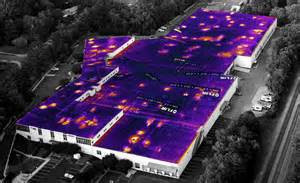
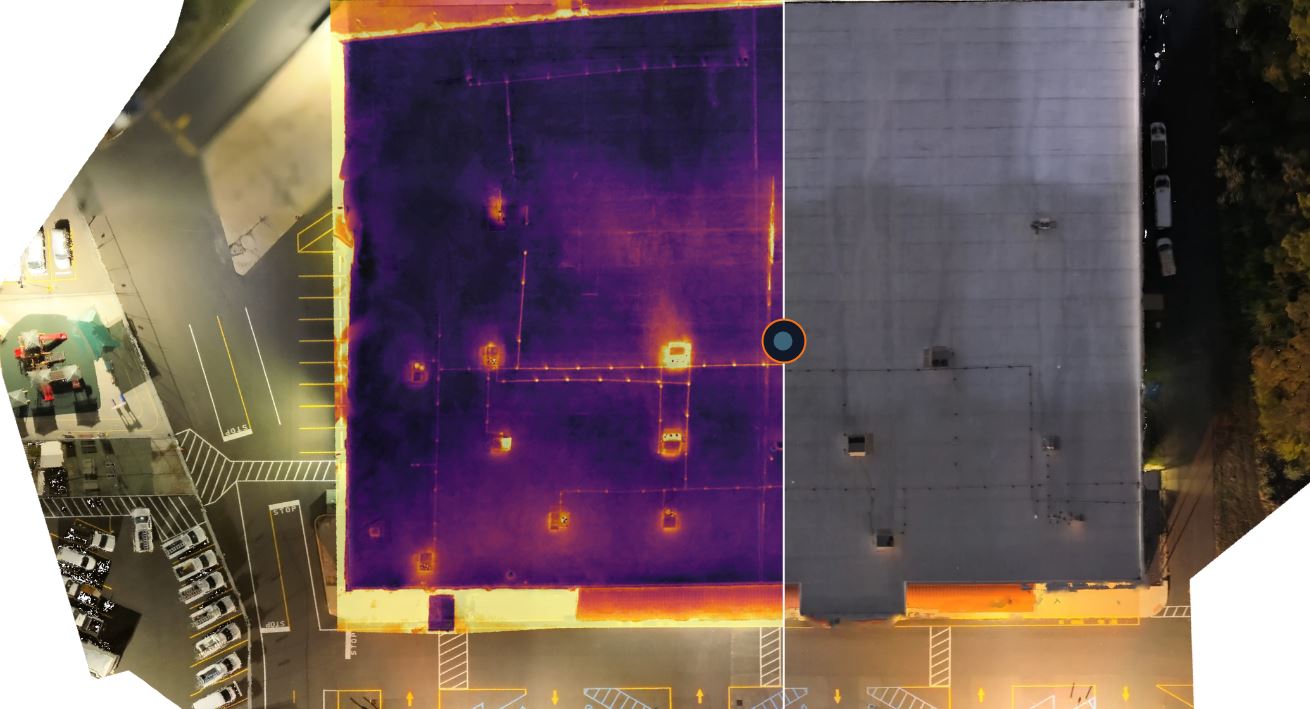
At St Louis Photo Studio, we help organizations identify roof anomalies earlier by using FLIR thermal drone services, radiometric imaging, and high-resolution aerial mapping to document roof conditions with greater speed, coverage, and consistency. The goal is not guesswork. The goal is actionable visibility. When decision makers can see thermal patterns, compare conditions over time, and maintain timestamped records, they can make smarter repair, maintenance, warranty, and capital planning decisions.
Why Roof Moisture Is So Difficult to Detect Early
Most commercial roofs do not fail all at once. Water intrusion often develops incrementally. Small punctures, failed seams, flashing issues, ponding areas, aging materials, and damage around rooftop equipment can all allow moisture to enter the roofing system. Once inside, water may travel laterally, saturate insulation, and remain hidden long before conventional visual inspection identifies the full extent of the problem.
That creates several challenges:
A roof may look acceptable from ground level.
A walk-through inspection may identify symptoms, but not the broader pattern.
Localized repairs may miss the full wet area.
Undocumented deterioration can complicate insurance, warranty, and budget conversations.
Moisture left in place can accelerate thermal inefficiency, mold risk, and structural deterioration.
For many organizations with multiple facilities or large roof areas, traditional inspection methods alone may not provide the coverage or documentation needed to make confident decisions.
How FLIR Thermal Drone Services Help
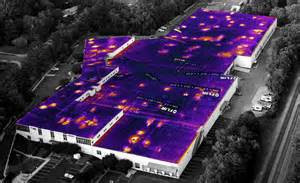
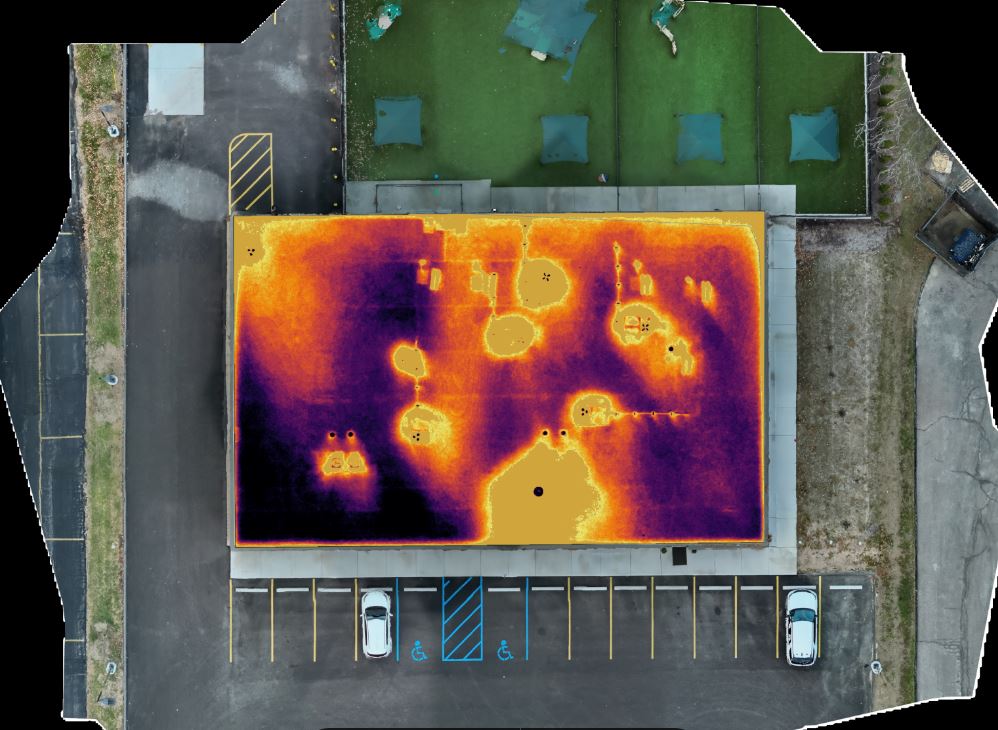
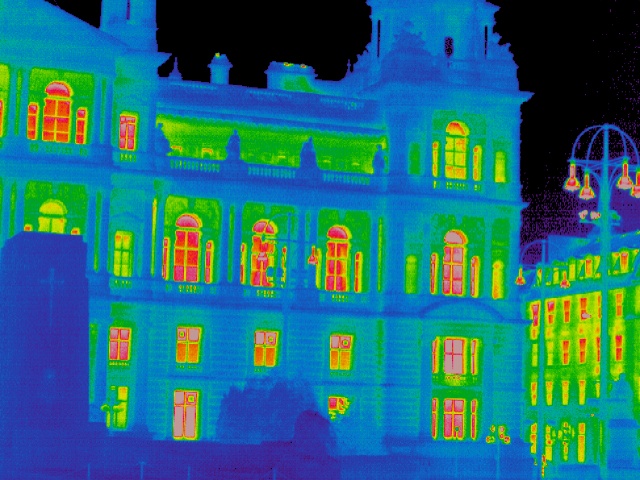
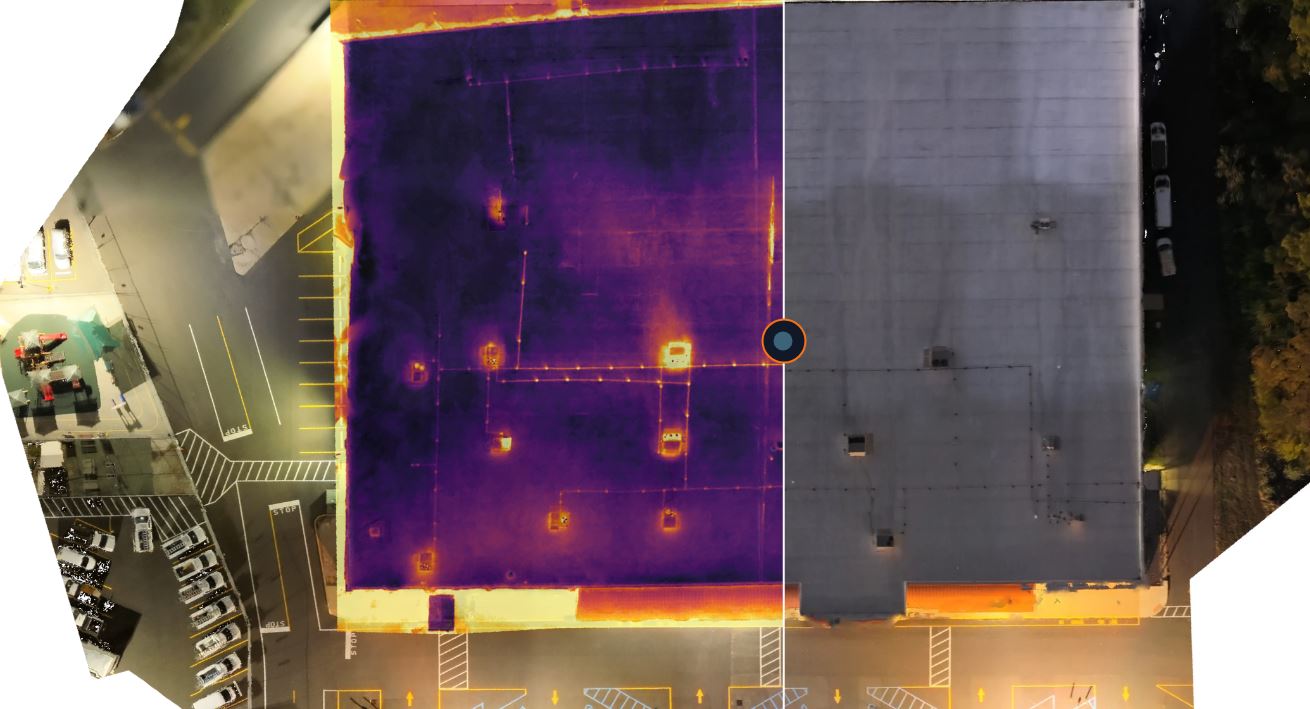
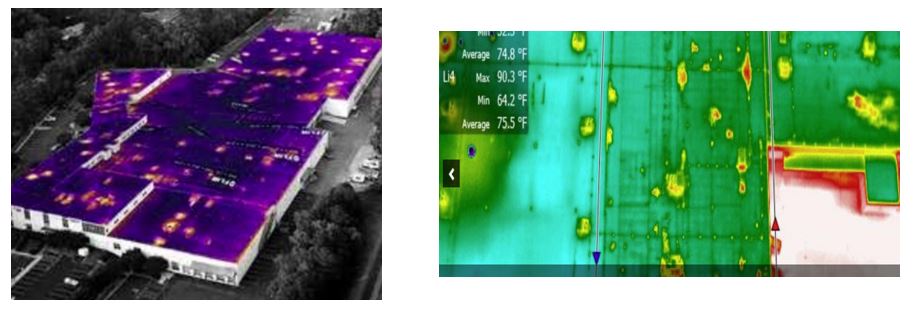
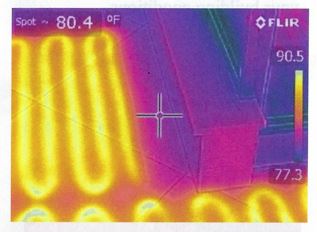
A thermal drone inspection uses an aerial platform equipped with a FLIR thermal camera to scan roof surfaces and identify temperature differences across the building envelope. Under the right conditions, areas containing trapped moisture often retain and release heat differently than dry surrounding materials. Those differences can appear as thermal anomalies in the captured imagery.
This gives facility leaders a faster way to assess broad roof surfaces and prioritize where closer investigation or destructive verification may be warranted.
The real advantage is not just the thermal image itself. It is the combination of:
Thermal imaging
Radiometric data capture
High-resolution visual imagery
Orthomosaic roof mapping
Timestamped inspection records
Repeatable documentation over time
Instead of relying only on written notes or isolated still photos, you gain a visual data set that can support maintenance strategy, contractor coordination, and long-term asset management.
From Reactive Repairs to Defensible Records
One of the biggest shifts in facility operations today is the move from reactive response to documented building intelligence. Leaders want more than a one-time inspection. They want a system for understanding building condition over time.
That is where thermal drone services become especially valuable.
At St Louis Photo Studio, we focus on building data-driven inspection workflows that help clients create defensible records of roof and asset conditions. A timestamped thermal survey can support:
Annual roof condition monitoring
Seasonal comparisons
Pre-purchase property due diligence
Post-storm assessment documentation
Maintenance prioritization
Capital expenditure planning
Contractor scope discussions
Insurance and warranty support
Multi-site facility benchmarking
When you manage schools, healthcare properties, industrial facilities, office campuses, or commercial real estate portfolios, documented condition records matter. They help reduce uncertainty. They also improve communication between internal teams, consultants, roofing contractors, and executive leadership.
Why Decision Makers Are Turning to Thermal Drones
For organizations with large or complex buildings, thermal drones offer several practical advantages over limited spot checks or purely manual observation.
1. Faster Coverage of Large Roof Areas
Large flat roofs, low-slope commercial roofs, and campus-style facilities are difficult to evaluate comprehensively from a ladder-and-walk approach alone. Drone-based thermal capture allows broader coverage in less time, helping teams see patterns across the entire roof system rather than isolated areas.
2. Better Visualization of Anomalies
A thermal map helps decision makers understand where anomalies cluster—around drains, curbs, mechanical penetrations, expansion joints, edges, seams, or other high-risk zones. That visual context helps distinguish a minor isolated issue from a broader moisture concern.
3. Safer Inspection Workflow
Reducing unnecessary foot traffic on roofs can be beneficial, especially where roof access is limited, surfaces are sensitive, or safety planning is complex. Drone capture helps gather critical information while minimizing some of the access burdens associated with traditional inspection methods.
4. More Useful Documentation
Decision makers often need more than verbal conclusions. They need records they can share. Thermal drone deliverables create a stronger visual foundation for maintenance discussions, budgeting, and repair prioritization.
5. Repeatable Monitoring
When the same facility is surveyed over time, thermal drone data can help identify persistent problem areas, track the impact of repairs, and support a more disciplined preventive maintenance program.
What Radiometric Data Adds to the Process
Many people hear “thermal drone” and think only of colorful heat images. But radiometric data adds another level of usefulness. Radiometric thermal capture records temperature-related measurement information for each pixel, which allows for more detailed review and post-processing than a standard non-radiometric thermal image.
For facility and asset management teams, that matters because the goal is not simply to create attractive visuals. The goal is to support analysis, comparison, and documentation.
Radiometric workflows can help teams:
Review temperature variation in more detail
Compare anomaly intensity across areas
Maintain consistent inspection archives
Improve reporting clarity for internal and external stakeholders
When combined with high-resolution visual imagery, this creates a stronger inspection package—one that links the thermal anomaly to the actual rooftop condition and location.
Where Thermal Drone Roof Inspections Provide the Most Value
Schools and Educational Campuses
Schools often face tight maintenance budgets, aging facilities, and the need to avoid surprise closures. A thermal drone roof survey can help maintenance leaders identify areas of concern before leaks affect classrooms, offices, gymnasiums, or sensitive equipment.
Healthcare Facilities
Hospitals, clinics, and medical buildings operate in environments where downtime is especially costly. Water intrusion near patient care areas, labs, imaging suites, or administrative infrastructure can create major operational headaches. Better roof visibility supports proactive planning.
Manufacturing and Industrial Facilities
Manufacturers often have expansive roof systems, rooftop penetrations, varying insulation conditions, and a strong need to protect production continuity. Thermal drone surveys can help identify anomalies before moisture problems spread into operational areas.
Commercial Property Portfolios
For owners and managers overseeing multiple sites, consistency matters. Drone-based inspection workflows make it easier to compare facilities, prioritize spending, and maintain documentation across a portfolio rather than relying on inconsistent site-by-site reporting.
Office, Retail, and Mixed-Use Buildings
Commercial real estate teams benefit from having condition records that can support tenant conversations, maintenance planning, and contractor coordination. The earlier roof issues are identified, the more flexibility there is in managing repairs.
Stop Leaks Before They Start
That phrase is more than a slogan. It reflects a better operational approach.
Most organizations do not want to replace roofs prematurely. They also do not want to wait until water enters occupied space before acting. The smarter path is to identify likely trouble areas earlier, verify them appropriately, and make repairs on a controlled timeline.
Thermal drone services help move building management in that direction by answering critical questions:
Where are the most likely areas of hidden concern?
Are anomalies isolated or widespread?
Which buildings need attention first?
Are previous repair areas performing as expected?
What documentation do we have to support maintenance decisions?
When those questions are answered with visual evidence and mapped records, building leaders gain leverage. They can shift from reacting to symptoms toward managing assets strategically.
High-Resolution Mapping Makes the Data More Actionable
A thermal inspection is strongest when it is not just a collection of images, but a mapped system. High-resolution aerial mapping helps place thermal anomalies in clear spatial context, allowing teams to locate issues relative to rooftop features, access points, drainage patterns, and equipment.
Mapped deliverables can support:
Repair scoping
Contractor walk-throughs
Internal reporting
Future comparison surveys
Asset condition archives
For multi-building properties, this becomes even more valuable. The inspection stops being a one-off event and starts becoming part of a facility intelligence system.
Drone LiDAR Services for Broader Asset Understanding
In addition to FLIR thermal drone services, St Louis Photo Studio also offers Drone LiDAR services. While thermal imaging is highly useful for detecting roof temperature anomalies and documenting potential moisture-related concerns, LiDAR serves a different but complementary role.
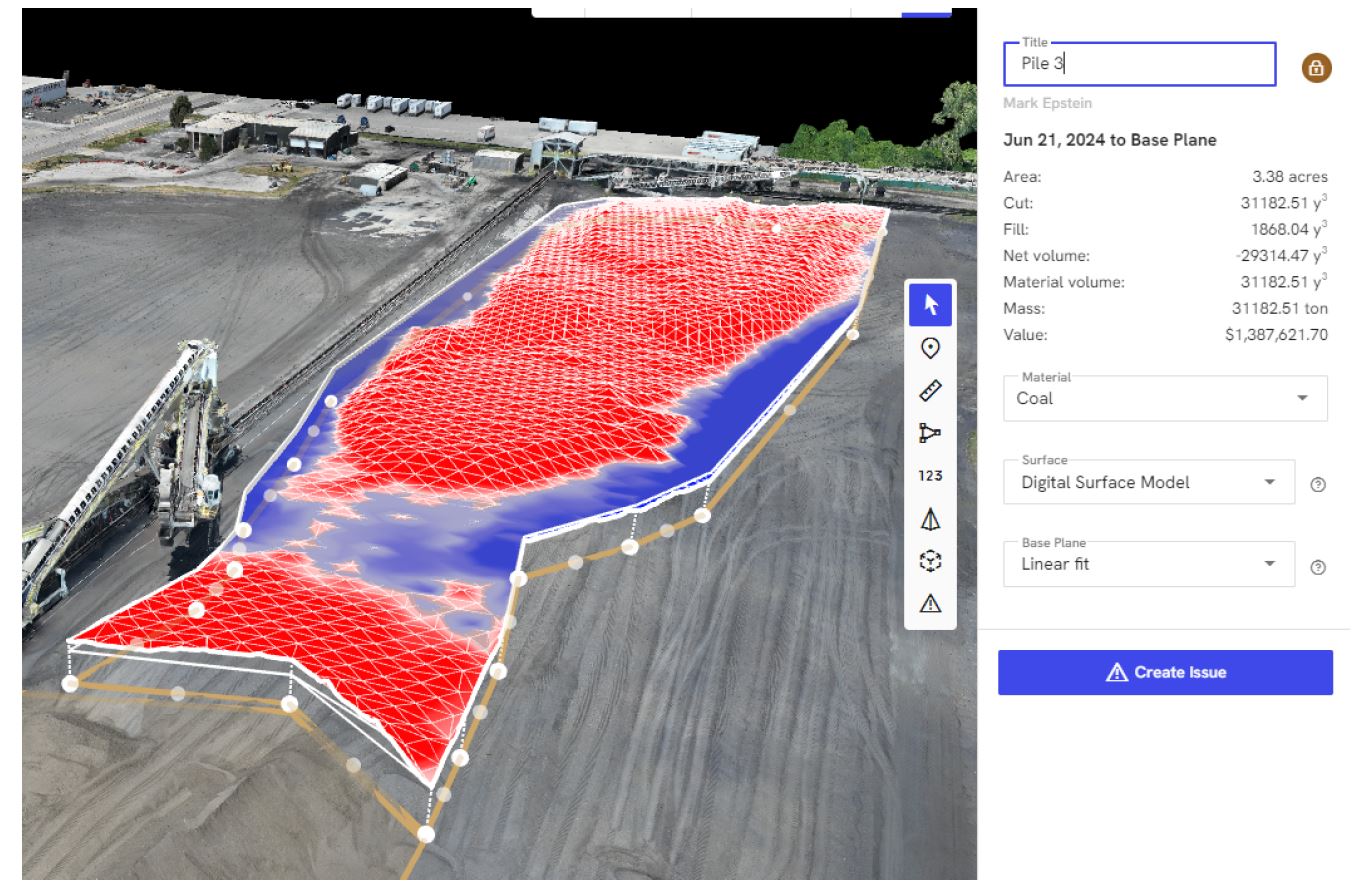
Drone LiDAR can be valuable when clients need highly detailed spatial data for buildings, sites, elevations, drainage analysis, topography, structural context, and asset mapping. For complex facilities, campuses, industrial sites, and infrastructure-related planning, LiDAR adds another layer of measurable information that supports engineering, planning, and long-term property management.
When thermal data, visual imagery, mapping, and LiDAR capabilities are available through one production partner, organizations gain a more complete view of their physical assets.
What an Effective Thermal Drone Inspection Program Looks Like
The most effective clients are not using drone inspection data as novelty. They are using it operationally.
A strong program typically includes:
Planned inspection timing
Appropriate environmental capture conditions
Thermal and visual image pairing
Mapped roof deliverables
Organized reporting
Archived timestamped records
Follow-up verification by qualified roofing professionals where needed
Repeat inspections at intervals that fit the building type and risk profile
This approach creates continuity. It also improves communication across departments, especially when maintenance, operations, finance, risk management, and outside contractors all need to align around the same building conditions.
The Business Case for Thermal Roof Documentation
For decision makers, the value is straightforward.
A better inspection record can help reduce unnecessary guesswork, focus repair dollars where they matter most, support preventive maintenance, and improve capital planning. It also helps create a clearer record of what the roof condition was at a specific point in time.
That kind of documentation matters when organizations are trying to protect:
Building uptime
Occupant comfort
Equipment and interiors
Maintenance budgets
Asset life cycles
Insurance and warranty positions
Institutional credibility
Leaks are costly. Uncertainty is costly too. Thermal drone services help reduce both.
Work with an Experienced St. Louis Production Team
At St Louis Photo Studio, we bring a production mindset and technical imaging experience to every assignment. We are a full-service professional commercial photography and video production company with the right equipment, creative crew, and service experience for successful image acquisition. We provide full-service studio and location video and photography, along with editing, post-production, and licensed drone services. St Louis Photo Studio can customize your productions for diverse media requirements, whether you need thermal roof documentation, aerial mapping, corporate photography, commercial video, or integrated visual assets for operations and marketing.
Repurposing your photography and video branding to gain more traction is another specialty. We are well-versed in all file types, media styles, and accompanying software, and we use the latest in Artificial Intelligence across our media services. Our private studio lighting and visual setup is ideal for small productions and interview scenes, and our studio is large enough to incorporate props that round out your set. We support every aspect of your production—from creating a private custom interview studio to supplying professional sound and camera operators and the right equipment—so your next production is seamless and successful. We can also fly our specialized drones indoors when the project requires it.
Since 1982, St Louis Photo Studio has worked with businesses, marketing firms, and creative agencies throughout the St. Louis area. When you need FLIR thermal drone services, radiometric documentation, high-resolution mapping, Drone LiDAR, and a dependable production partner that understands both visual communication and technical image capture, St Louis Photo Studio is ready to help.
Service businesses in St. Louis live and die by trust. Whether you’re a law firm, medical practice, contractor, manufacturer, nonprofit, or professional services team, your brand is judged instantly—often before a prospect ever reads a single word of copy.
And here’s the tension: you need premium visual assets that look like a serious organization… but you don’t want to overpay for inefficiency, overcomplication, or “creative for creative’s sake.”
That’s the sweet spot an economical photography studio should own: maximizing visual results per dollar by reducing wasted time, reducing reshoots, and creating versatile assets you can reuse across channels.
This article breaks down what “economical” really means in commercial photography for service businesses—and how to structure a studio-based photo (and video) plan that performs like a bigger budget without behaving like one.
“Economical” Doesn’t Mean “Cheap” — It Means “Efficient”
In commercial imaging, cheap is easy:
minimal planning
inconsistent lighting
no standards for color/skin tones
unclear shot lists
weak file delivery (wrong sizes, missing crops, no naming conventions)
and a “good luck with the rest” handoff
That approach costs less on day one and more over the next 12 months—because marketing teams end up patching gaps, rebooking shoots, or living with subpar assets that underperform.
An economical studio is the opposite. It reduces total cost of ownership by:
planning to eliminate reshoots
building a repeatable look
capturing multiple asset types in one session
delivering files correctly the first time
creating a library you can repurpose for web, recruiting, proposals, social, PR, and sales enablement
Economical is a production mindset, not a discount.
Why Studio-Based Photography Is Often the Most Cost-Effective Option
Many service businesses default to on-location photography because it feels “real.” Real can be great—but it’s also unpredictable: mixed lighting, uncontrolled reflections, cluttered backgrounds, inconsistent room colors, limited space, and constant interruptions.
A studio environment is economical because it offers:
These are the images marketing actually uses every week:
horizontal hero images for home + landing pages
vertical crops for stories/reels thumbnails
negative space compositions for copy overlays
“seasonless” imagery that can run year-round
4) Recruiting + Culture Images (the hidden revenue)
Hiring is marketing now:
approachable team culture imagery
“day in the life” roles
training, safety, craft, professionalism
facility and workspace imagery when appropriate
Economical tip: Build your shot list like a content library. A single session can feed your website, Google Business, LinkedIn, proposals, email campaigns, and recruiting for months.
How an Economical Studio Session Is Engineered
A cost-effective production doesn’t happen by accident. It’s engineered.
Pre-production: where you save the most money
This is where economical studios win:
clarifying the audience and message (trust, expertise, approachability, precision, speed)
identifying where the images will be used (web banners, print, social, proposals)
selecting wardrobe guidance that supports your brand palette
choosing backgrounds that match your positioning
finalizing a shot list that prevents “oh we forgot…” moments
Production: keep the machine moving
In a well-run studio:
lighting is designed for consistency and speed
the set is built to support multiple looks quickly
posing and expression coaching is integrated (especially for non-models)
approvals happen in-session to avoid surprises later
Post-production: the quality multiplier
Economical doesn’t mean “no retouching.” It means smart retouching:
consistent skin tone and color balance
brand-consistent contrast and saturation
clean but realistic retouching
multiple crops and exports sized for your channels
The Real Value: Repurposing Instead of Rebuying
Most businesses overspend on visuals because they treat each need as a separate project:
headshots one month
website refresh later
recruiting campaign after that
then social content…
A smarter approach is to capture a flexible master set and repurpose:
turn horizontal hero images into vertical social crops
build a rotating library for LinkedIn and Google Business posts
create “case study” layouts using consistent photography
use a small set of brand-consistent images across multiple campaigns for recognition
This is where service businesses get traction: repeatable brand presence without constant reshoots.
Studio + Location: The Hybrid Strategy Many Service Businesses Should Use
Some of the best marketing libraries come from a hybrid approach:
studio portraits for leadership and staff (consistent, premium)
selective on-location coverage for authenticity and scale (facility, field work, equipment, client environments)
Economical doesn’t mean choosing one forever. It means selecting the right tool for the job and building a system.
Where AI Fits (and Where It Doesn’t)
AI can improve efficiency when used correctly:
faster culling and organization
smart search across large libraries
background cleanup and object removal (when appropriate)
consistent cropping and formatting for multiple platforms
enhanced workflows for versioning assets (web vs print vs social)
But for decision-makers, the key is governance:
brand consistency
ethical use
realism when representing people and services
maintaining control over your visual identity
The best studios use AI to remove friction—not to replace craft.
What to Ask Before You Hire a Studio (Economy Test)
If you want true efficiency, ask these questions:
How do you build a shot list that aligns with business goals—not just aesthetics?
Can you deliver assets sized and named for our channels (web, social, print)?
How do you keep lighting consistent across teams and departments?
What’s your approach to retouching—natural, consistent, brand-aligned?
Can you create multiple “looks” in one session without quality dropping?
Do you offer both photo and video so we don’t split vendors and multiply coordination?
How do you support repurposing so we get months of usage from one production?
If the answers are vague, “economical” will be a mirage.
Why St Louis Photo Studio Is Built for Economical Commercial Imaging
At St Louis Photo Studio, we’ve spent decades refining one goal: successful image acquisition with minimum waste and maximum reuse.
As a full-service professional commercial photography and video production company serving St. Louis businesses since 1982, we bring the crew, systems, and equipment to produce premium marketing imagery efficiently—and deliver it in formats that your marketing team can actually deploy.
Here’s what that means in practice:
Full-service studio and location video and photography to match the right environment to the message
Editing and post-production that’s consistent, brand-aligned, and built for multi-channel deployment
Licensed drone services—and yes, we can fly our specialized drones indoors when the job calls for it
Custom production built around your media requirements, from web refreshes to recruiting campaigns to ongoing content libraries
Repurposing photography and video branding so one production fuels multiple touchpoints and extends ROI
Deep fluency across file types, media styles, and the software ecosystems marketing teams rely on
The latest AI-enhanced workflows to reduce friction, improve turnaround, and support scalable content creation
A private studio lighting and visual setup that’s ideal for small productions and interview scenes, with enough space for props to round out your set
End-to-end support: from custom interview studio builds to professional sound and camera operators, ensuring your production is seamless and successful
If you’re a St. Louis service business looking for an economical studio partner, the goal isn’t to “spend less.” The goal is to spend smarter—and come away with a marketing asset library that performs for months, not days.
If you want, I can also create:
a “service business shot list” checklist you can hand to your team,
a one-day production plan (half-day vs full-day options),
and a deliverables matrix (web/social/print exports) you can paste into an internal brief.
For decision-makers in marketing and production, studio photography is the construction of a high-value asset designed to communicate authority, culture, and value.
When you hire a studio photographer, you aren’t just paying for someone to operate a camera; you are investing in a producer who understands how to translate your business objectives into a visual language. But what truly separates a competent photographer from a great business studio partner?
Below, we break down the critical pillars of professional studio production.
1. Masterful Control of Controlled Environments
Unlike location photography, where the sun or existing architecture dictates the mood, the studio is a blank canvas. A great business photographer is a master of lighting physics. They understand how to use light to diminish flaws, emphasize professional confidence, and match the specific “temperature” of your brand’s visual guidelines.
Key Distinction: A novice uses light to make things visible. A master uses light to create dimension, texture, and focus.
The Setup: Look for a photographer who utilizes specialized modifiers—softboxes, grids, and flags—to sculpt the light around the subject rather than just blasting them with brightness.
2. The Psychology of the Subject
For many executives and employees, being in front of a lens is an uncomfortable experience. A great business photographer acts as a director and a coach. They possess the “soft skills” required to put a subject at ease, resulting in authentic expressions that resonate with your audience.
“The best business photography happens in the space between the photographer and the subject. If the subject is tense, the brand feels inaccessible.”
3. Strategic Asset Longevity
A premier studio partner thinks about the lifecycle of the image. They don’t just deliver a high-resolution JPEG; they understand the technical requirements of modern media.
Repurposing: They look for ways to turn a single headshot session into a library of branded content, ensuring you gain maximum traction from every hour spent in the studio.
File Versatility: They provide files optimized for everything from massive trade show banners to 1:1 social media crops.
AI Integration: Great photographers now leverage Artificial Intelligence in post-production to enhance image clarity, remove distractions, and speed up the delivery workflow without sacrificing the “human” quality of the shot.
Partnering with St. Louis Photo Studio: Your Full-Service Production Corporation
At St. Louis Photo Studio, we don’t just capture images; we manage the entire ecosystem of your visual branding. Since 1982, we have served as a cornerstone for businesses, marketing firms, and creative agencies throughout the St. Louis area, providing the expertise required for successful image acquisition.
We are a full-service professional commercial photography and video production company with the creative crew and high-end equipment necessary to make your vision a reality. Our services include:
Full-Service Studio & Location Work: Whether you need us on-site or in our controlled environment, we deliver. Our private studio features professional lighting and a visual setup perfect for small productions and interview scenes. The space is large enough to incorporate significant props to round out your set.
Advanced Video Production: We support every aspect of your production—from setting up a private, custom interview studio to supplying professional sound and camera operators.
Cutting-Edge Technology: We use the latest in Artificial Intelligence for all our media services and are well-versed in all file types and styles of media software.
Specialized Aerials: Our team includes licensed drone pilots who can even fly specialized drones indoors to capture unique perspectives of your facility or event.
Post-Production Excellence: Our team handles all editing and post-production, specializing in repurposing your photography and video branding to ensure you get the most traction across diverse media requirements.
From the first light set to the final file delivery, St. Louis Photo Studio ensures your next production is seamless, successful, and strategically aligned with your brand.
Keeping a commercial roof dry and sound is not just a facilities issue – it is a risk management, brand protection, and budget control issue. When a roof fails, it rarely fails quietly. Leaks disrupt operations, damage interiors, threaten sensitive equipment, and can silently undermine structural components long before anyone sees a stain on the ceiling.
For many organizations, the challenge is simple: you can’t fix what you can’t see. Traditional visual inspections and spot repairs often miss early-stage moisture intrusion and hidden insulation damage. That’s where drone-based thermal “roof reviews” become a powerful tool for decision makers responsible for properties, capital budgets, and brand reputation.
As experienced drone photographers and thermography-focused image makers at St Louis Photo Studio, we see a growing number of building owners, managers, and marketing teams using drone thermal imaging as part of a proactive building health strategy. Below is a practical guide to how it works, what it can reveal, and how to use this kind of data to support smarter decisions about your commercial roofing assets.
Why Traditional Roof Inspections Fall Short
A typical commercial roof inspection might involve:
A walk-through on the rooftop
Visual checks for ponding, cracks, seams, and penetrations
Occasional core samples or infrared scans from ground level
Useful, yes—but limited. Some key shortcomings:
Hidden moisture: Water travels. It can enter at one point, move under membrane layers, and saturate insulation several feet away from the visible defect.
Human perspective: Even a careful inspector can only see so much from rooftop eye level. Patterns of heat retention and moisture migration are almost impossible to detect visually.
Safety and access: Multi-level roofs, steep sections, or areas around sensitive equipment can be difficult or unsafe to access. Those areas may never be reviewed thoroughly.
Subjective documentation: Handwritten notes and a handful of photos often don’t deliver the kind of visual proof and repeatable data senior decision makers want.
Drone-based thermal roofing reviews are designed to address exactly these pain points.
How Drone Thermal Imaging Detects Potential Roof Leaks
A thermal camera doesn’t “see water.” It measures surface temperature differences. On a commercial roof, trapped moisture and wet insulation behave differently than dry materials during heating and cooling cycles.
The basic principle
During the day, the sun heats up the roof surface.
Areas where insulation is wet or saturated retain heat longer.
After sunset or in controlled conditions, those wet areas cool more slowly than dry areas.
A drone equipped with a thermal camera captures these temperature differences as an image.
The result is a thermal map where suspect areas stand out as “hot spots” or anomalous patterns. An experienced team can interpret these patterns to identify zones that merit further testing or targeted repair.
Why drones are ideal for commercial roofs
Drones bring several advantages over handheld thermal devices alone:
Coverage: Quickly capture the entirety of large and complex roofs, including multiple levels and hard-to-reach sections.
Consistency: Fly repeatable paths and altitudes, building a consistent dataset over time.
Detail: Combine thermal and high-resolution visual imagery for easier interpretation and clear communication with stakeholders.
Speed and safety: Minimal disruption to operations, reduced need for personnel on the roof, and less time working near edges and obstacles.
What a Drone Thermal Roof Review Delivers
For decision makers, the value is in the deliverables – not just the flight.
A well-executed drone thermal roofing review typically includes:
1. Thermal overview maps
A high-level thermal orthomosaic showing the entire roof.
Color-coded temperatures highlighting areas of concern.
Visual overlays to correlate thermal anomalies with physical features like drains, HVAC units, skylights, and seams.
2. Detailed annotated images
Close-up thermal stills and matching RGB (standard color) images of specific suspect zones.
Markups, callouts, and labels that make it easy to brief executives, board members, or vendors.
Images ready to share with roofing contractors or insurers to support repair plans or claims.
3. Priority and risk categorization
Segmentation of the roof into zones: high priority, moderate concern, and routine monitoring areas.
Practical recommendations such as, “Core sample recommended here,” or “Monitor this area in next inspection cycle.”
4. Time-based comparisons
When you repeat thermal roof reviews yearly or after major weather events, you create a baseline. Over time, you can compare:
How moisture spread or receded
Whether earlier repairs have stabilized the roof system
Which areas may be heading toward failure before you see a leak inside
This turns thermal imaging from a one-off diagnostic into a proactive asset management tool.
When to Schedule Drone Thermal Roofing Inspections
Thermal performance depends heavily on timing and conditions. A professional team will consider:
Time of day: Late evening or early morning is often ideal, after solar heating and during cooling.
Recent weather: Clear skies and relatively stable conditions help produce readable thermal patterns.
Season: Shoulder seasons (spring and fall) can often provide strong thermal contrast, but inspections can be tailored year-round depending on your roof and local climate.
For many organizations, a sensible approach is:
Baseline scan for existing roofs
Post-event scans after major storms or hail
Annual or semi-annual reviews as part of preventive maintenance and capital planning
How Marketing and Leadership Teams Use This Data
Although facility managers and engineers are the primary users, drone thermal roof data is increasingly used by:
CFOs and finance teams to justify capital expenditures with visual evidence and clear risk assessment.
Risk management and insurance teams to document due diligence, reduce claim disputes, and negotiate more favorable terms.
Marketing and corporate communications when documenting facility upgrades or sustainability initiatives, especially when telling the story of how the organization protects its assets and reduces waste.
Well-presented drone thermal imagery gives leadership a high-confidence, boardroom-ready visual narrative: Here is the problem, here are the risks if we do nothing, and here’s our plan.
Integrating Drone Thermal Reviews Into Your Maintenance Strategy
To get the most out of drone roofing leak and thermal reviews, it helps to think in terms of process, not just technology.
1. Align on objectives
Clarify what you’re trying to accomplish:
Identify potential leaks before there’s interior damage
Assess the extent of suspected damage after a specific event
Support budgeting for repair vs. replacement
Document roof condition before a property sale or acquisition
2. Coordinate with your roofing contractor
Use the drone thermal data as a conversation starter, not a standalone verdict. A quality contractor can:
Perform targeted core samples in suspect zones
Validate which anomalies indicate moisture versus benign conditions
Propose repair or restoration strategies that match your capital plan
3. Build a repeatable inspection schedule
Turn thermal reviews into a recurring line item:
Compare year-over-year conditions
Track how repairs perform
Avoid surprise failures and emergency repairs that cost more and disrupt operations
4. Standardize reporting for leadership
Ask for deliverables that can be quickly folded into internal reports and presentations:
Summary maps with legends and clear annotations
Short executive summaries that translate technical findings into business language
Images and graphics formatted for internal decks and documentation
Why Professional Imaging Quality Matters
Not all drone thermal footage is created equal. For your internal teams and external partners to trust and act on the results, the imaging must be:
Accurately captured: Correct altitude, camera settings, and flight patterns are critical for consistent thermal readings.
Correctly interpreted: False positives and false negatives can be costly. Experience with both photography and thermal behavior on roofing systems is essential.
Professionally presented: Clear overlays, labels, and sequencing of images make reports usable instead of confusing.
This is one area where the intersection of professional photography, video production, and drone operations really shows its value. The goal is not just to “fly the drone”; it is to deliver visual evidence that drives intelligent decisions.
How St Louis Photo Studio Supports Drone Thermal Roofing Reviews
Determining potential roofing leaks with drone thermal reviews calls for more than just a pilot and a camera. You need a partner who understands imaging, storytelling, and the unique demands of commercial properties.
At St Louis Photo Studio, we bring decades of commercial photography and video production experience to every project, including specialized drone thermal work for building envelopes and roofing systems.
We are a full-service professional commercial photography and video production company with the right equipment and creative crew experience for successful image acquisition.
We offer full-service studio and location video and photography, as well as editing, post-production and licensed drone pilots, giving you a single, integrated team for capture and delivery.
St Louis Photo Studio can customize your productions for diverse types of media requirements – from technical reports and internal presentations to marketing visuals that demonstrate your commitment to facility health and risk management.
Repurposing your photography and video branding to gain more traction is another specialty. The same professional level of imagery and narrative discipline we bring to your marketing content also informs how we present technical roof and building data.
We are well-versed in all file types and styles of media and accompanying software, allowing us to deliver assets that drop smoothly into your internal workflows, vendor systems, or content platforms.
We use the latest in Artificial Intelligence for all our media services, from enhancing imagery and organizing large data sets to helping create clear, understandable visual reports out of complex thermal captures.
Our private studio lighting and visual setup is perfect for small productions and interview scenes, if you want to pair your building visuals with on-camera explanations from your leadership or facilities team. Our studio is large enough to incorporate props to round out your set and make even technical topics visually engaging.
We support every aspect of your production—from setting up a private, custom interview studio to supplying professional sound and camera operators, as well as providing the right equipment—ensuring your next video production is seamless and successful.
For specialized projects, we can even fly our specialized drones indoors, supporting inspections and visuals in large atriums, warehouses, and other interior spaces where aerial perspectives are beneficial.
As a full-service video and photography production corporation since 1982, St Louis Photo Studio has worked with many businesses, marketing firms, and creative agencies in the St. Louis area for their marketing photography and video. We bring that same seasoned, production-focused mindset to your drone thermal roofing reviews—helping you see more, decide faster, and protect your buildings with confidence.
In a world where attention is scarce and trust is hard-won, event photography does more than document a moment—it manufactures brand proof. Whether it’s a product launch, investor day, internal summit, or client appreciation event, the right images validate your message, elevate perceived quality, and extend the life—and ROI—of the event far beyond the day itself. As a studio that’s produced event coverage for Fortune-level boardrooms and fast-moving growth teams alike, here’s how to think about event photos as strategic brand assets, not nice-to-have souvenirs.
1) Start with the business outcome, not the shot list
Before we touch a camera, we map images to outcomes. Common goals:
Demand gen & PR: hero images for press kits, sponsor visibility, stage presence
Recruiting & culture: authentic team interactions, leadership approachability, DEI moments
Investor relations: credibility, scale, and operational excellence through environmental shots
Sales enablement: product-in-context visuals for decks, proposals, and landing pages
Internal comms: town halls, awards, training modules, leadership Q&A
From that, we reverse-engineer the required visuals, access, and timing. The result is a purpose-built coverage plan—not a generic “we’ll capture everything.”
2) What great looks like: the anatomy of a high-performing event image
Website refresh: hero banners, culture pages, and interactive galleries
10) Why production experience matters
The difference between “we got pictures” and “we captured value” is workflow. Seasoned crews anticipate timing shifts, handle mixed lighting without hesitation, manage VIP expectations, and deliver usage-ready files for every channel. That operational maturity shows up directly in speed, polish, and results.
About St Louis Photo Studio
St Louis Photo Studio is a full-service professional commercial photography and video production company with the right equipment and creative crew experience for successful image acquisition. We offer full-service studio and location video and photography, as well as editing, post-production and licensed drone pilots. St Louis Photo Studio can customize your productions for diverse types of media requirements. Repurposing your photography and video branding to gain more traction is another specialty. We are well-versed in all file types and styles of media and accompanying software. We use the latest in Artificial Intelligence for all our media services. Our private studio lighting and visual setup is perfect for small productions and interview scenes, and our studio is large enough to incorporate props to round out your set. We support every aspect of your production—from setting up a private, custom interview studio to supplying professional sound and camera operators, as well as providing the right equipment—ensuring your next video production is seamless and successful. We can fly our specialized drones indoors. As a full-service video and photography production corporation since 1982, St Louis Photo Studio has partnered with businesses, marketing firms, and creative agencies across the St. Louis area for their marketing photography and video.